Welcome aboard to the our video site for sailors. We are being constantly blasted by scammers and pirates, so registration is invite only
contact@sailorsahoy.com with "Invite". No spam, no newsletters. Just a free account
מִכְנָסַיִים קְצָרִים לִיצוֹר


0
0
0
446

Steam: http://store.steampowered.com/app/468240 WIP: Practice boat manoeuvres in virtual reality.

0
0
0
1,838

► In summary: all you need to know about the International Boat Show at La Grande-Motte. ► On test: Katum K30, Aventura 45, Bali 5.8 and Xquisite Sixty Solar Sail ► Digital or Paper version? Choice is yours! ► Available until April 12. ► On the Cover: the Vaan R5 ► Become a FREE SUBSCRIBER to Multihulls World's YouTube page now - https://www.youtube.com/c/MultihullsWorld ► Log on to our website to discover over 600 multihulls tests! Subscribe to our newsletter to take advantage of our promotions and boat show invitations! https://www.multihulls-world.com/ ► Follow us on Facebook! https://m.facebook.com/MultihullsWorldMag/?locale2=fr_FR ► Discover us on Instagram! https://www.instagram.com/multihulls_world/ ► Follow our multi news on X https://twitter.com/multihullsworld?lang=fr ► Let’s talk about business https://www.linkedin.com/company/multicoques-mag-multihulls-world/ ► Like us on TikTok! https://www.tiktok.com/@multihullsworldmag #multihullsworld #yachting #multihull #cruising #bluewater #sailing #sailcruising #seatrial #boatreview #bluewatersailing #boat #boatlife #boating #sailingday #magazine #youtube #tiktok #catamaran #trimaran #gwendorning #emmanuelvandeth #powercat #multipower #forevergreen #electricboat #kattumk30 @aventurayachts #aventuracatamarans #aventura45 @BaliCatamarans #bali58 @xquisite-yachts #xquisite60solarsail @Vaan #vaanr5

0
0
0
463

Chi decide davvero il prezzo di richiesta per una barca? Il proprietario? Il broker? In realtà… lo decide il mercato. 👉 Scopri di più e guarda il video completo qui: 📺 https://youtu.be/NQtcrYSWTU0 ⚠️ Partire con il prezzo sbagliato è uno degli errori più comuni e più costosi quando si vende un’imbarcazione. Perché quando una barca entra sul mercato al prezzo sbagliato, succede quasi sempre la stessa cosa: si allungano i tempi, cala l’interesse… e spesso si finisce per vendere a meno di quanto si sarebbe potuto ottenere.😌 🎯 Nel video completo ti spieghiamo perché succede e soprattutto come evitarlo. 📚 Sul canale YouTube di Abayachting trovi anche una playlist dedicata con consigli utili per vendere o comprare una barca nel modo giusto. 📞 Chiamaci al +39 0112457841 💬 Manda un messaggio WhatsApp: https://wa.me/393421432715 📨 Scrivi ad info@abayachting.com 🌐 Visita il nostro sito https://www.abayachting.com 🔔 Iscriviti al canale per non perdere le prossime video-visite! #abayachting #venderebarca #comprarebarca #barcainvendita #nautica #yachtbroker #yachtbrokerage #brokerage #consiglinautici #mercatonautico #valutazionebarca #prezzobarca #boatingtips #boatmarket #reelyacht

0
0
0
311


0
0
0
438
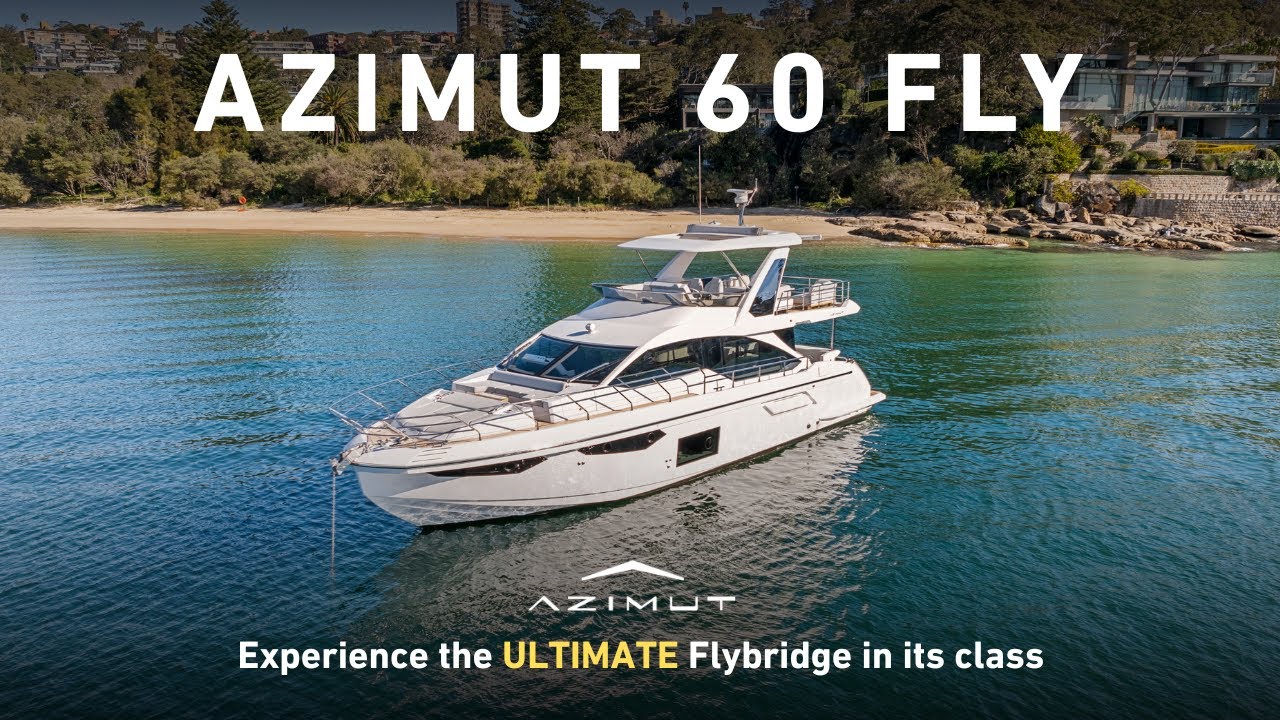
Save $200,000 on a showroom-condition Azimut 60 Flybridge — now $3,495,000 at Short Marine, Spit Bridge Sydney. 2023 Build · 110 Hours · Seakeeper 9 · Kohler 20,5 kW generator View at Short Marine, Spit Bridge Sydney Full Specs and Details - https://shortmarine.com.au/boats-in-stock/327135/ Contact Dave Sullivan for more info Email: david.sullivan@shortmarine.com 0:00 Cruising 0:22 Swim Platform 0:25 Sydney Whales! 0:27 Side Profile 0:29 Details 0:35 Flybridge 0:37 Bow Area 0:38 Interiors

0
0
0
96