Welcome aboard to the our video site for sailors. We are being constantly blasted by scammers and pirates, so registration is invite only
contact@sailorsahoy.com with "Invite". No spam, no newsletters. Just a free account
السراويل القصيرة خلق

Start by finding a structurally sound boat and addressing common issues like soft decks, keel bolts, and steering through DIY repairs learned from online tutorials. Enroll in a sailing school and work toward a recognized certification such as ASA or RYA, gaining real-world practice through local courses and short trips until you’re confident as a skipper. Unless you're crazy and want to try to do it yourself like everyone else and learn the ropes. Plan your route—most often from ICW to Florida across the Gulf Stream—taking into account weather windows, navigation, and safety protocols to ensure a smooth and enjoyable passage to the Bahamas. :) Message us with any questions or subscribe/check out our channel!

0
0
0
95

0
0
0
0
116

0
0
0
0
965

Are you ready to experience the ultimate feeling of freedom as you leap into the refreshing Adriatic sea? An exhilarating and unforgettable experience that will leave you feeling alive and ready for more.
0
0
0
2,119
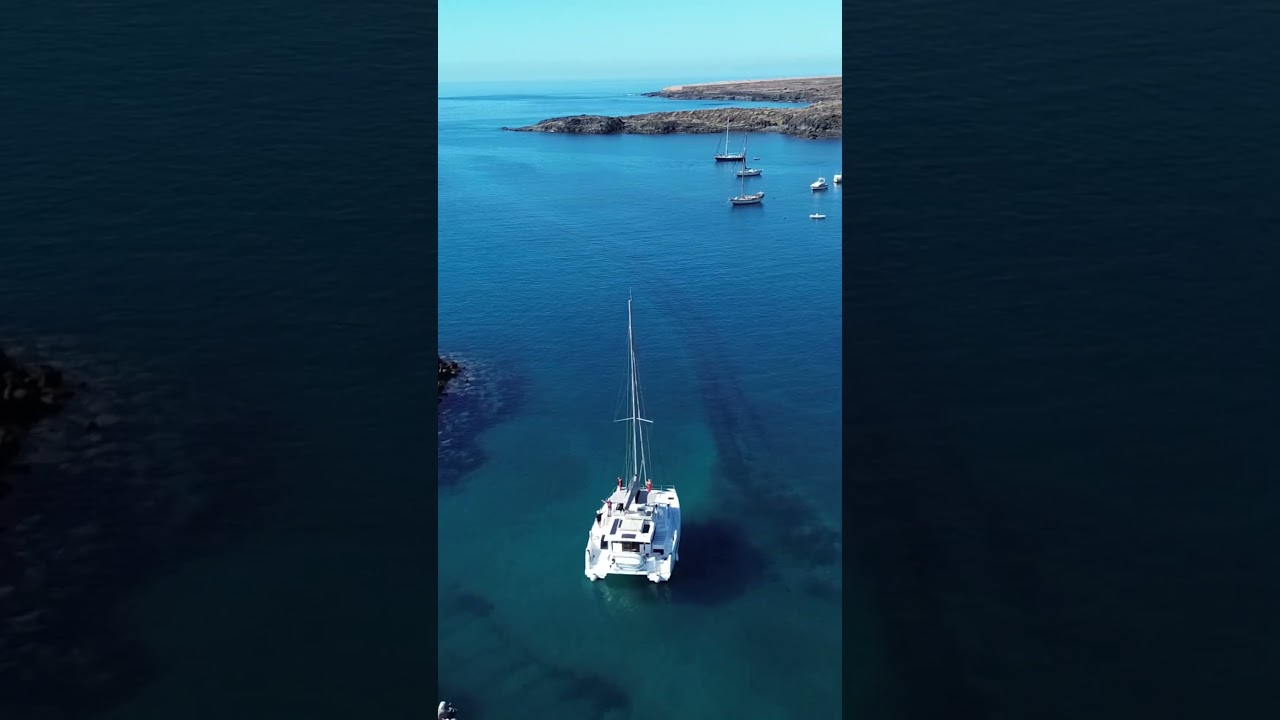
Le grand départ est lancé ! On quitte la terre ferme pour une traversée de l’Atlantique à bord d’un Bali 4.6… 21 jours en mer, zéro retour possible, juste l’océan devant nous. Excitation, stress, liberté totale — c’est ça, le vrai départ d’une transat. #transatlantique #voilier #sailinglife ----------------------------------------------- ☀️ TU RÊVES DE VACANCES SUR UN VOILIER ? ☀️ Je t’aide à organiser ton voyage à bord d’un voilier ⛵ 📩 Contacte-moi : https://sailingatypic.com/pages/vacances-a-bord ❤️ MERCI À NOS PATREONS QUI RENDENT CES VIDÉOS POSSIBLES ❤️ Tu veux nous encourager ? ➤ https://www.patreon.com/sailingatypic 🌐 NOTRE SITE WEB 🌐 ➤ https://www.sailingatypic.com 👕 BOUTIQUE DE VÊTEMENTS ATYPIC 👕 ➤ https://sailingatypic.com/collections/all 🔔 SUIVEZ-NOUS 🔔 Facebook: http://www.facebook.com/SailingAtypic/ Instagram: https://www.instagram.com/sailing_atypic/?hl=fr YouTube: https://youtube.com/c/SailingAtypic Patreon: https://www.patreon.com/user?u=37205310
0
0
0
586


0
0
0
197