Welcome aboard to the our video site for sailors. We are being constantly blasted by scammers and pirates, so registration is invite only
contact@sailorsahoy.com with "Invite". No spam, no newsletters. Just a free account
Kratke hlače Stvoriti

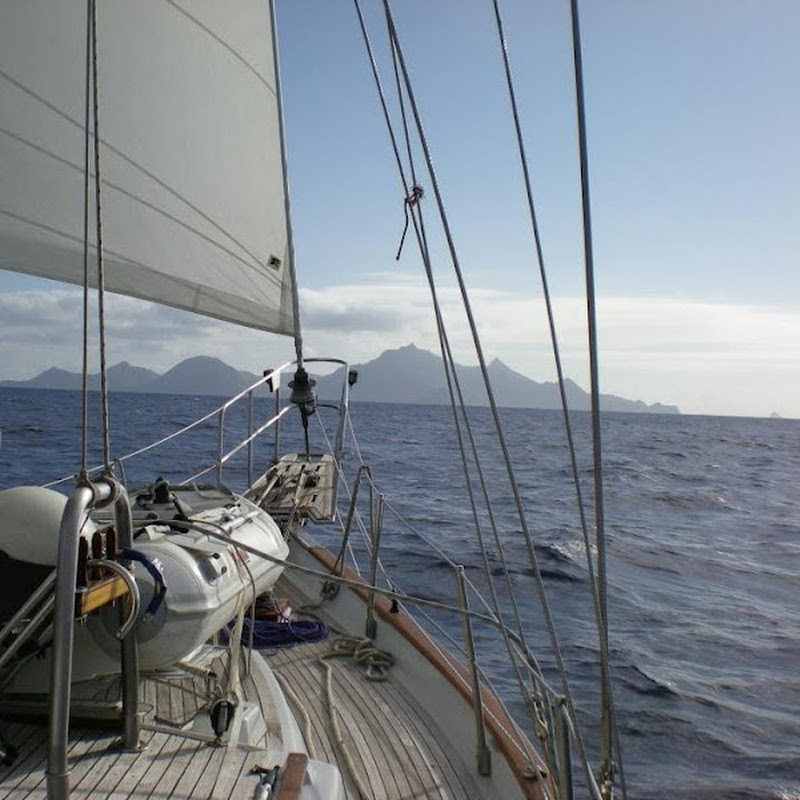
La Gran Ruta del Íbero empezó el 17 de noviembre del 2012 partiendo desde el puerto base, el Port del Masnou. Hicimos escala en San Antoni (Ibiza), Benalmádena (Málaga), Lanzarote (Islas Canarias), Las Palmas de Gran Canaria y atravesamos en diciembre el Atlántico beneficiándonos de los alisios para llegar a Martinica (Caribe francés) el 8 de enero de 2013 por la mañana, completando así la primera etapa de este viaje.
0
0
0
308

Join us deep in the jungles of Papua New Guinea as we search for gold in historic mining areas now reserved for local village livelihoods. People still dive into the pools chasing big nuggets — but after what we saw lurking in the water, I’m not so sure I’d be game! 🐊💰🌿 Places: Sudest Island, Louisiades Archipelago, Papua New Guinea Buy us a coffee ☞ https://buymeacoffee.com/onceuponareef Or Send us a gift ☞ https://throne.com/onceuponareef Follow us: ✔INSTAGRAM: @onceuponareef & @wheres.poppy ✔PATREON ☞ https://www.patreon.com/c/onceuponareef Poppy's YouTube Channel ☞ https://www.youtube.com/wherespoppy 📧 BUSINESS INQUIRIES - onceuponareef@protonmail.com Hey there, we’re Ryan and Poppy, a couple of adventure junkie sailors out to explore the most amazing reefs and islands in the world. We hope by documenting everything this lifestyle encompasses, we will inspire, raise awareness and support on going research to do our part in protecting these natural life systems. Subscribe if you’re on board! #goldmining #papuanewguinea #shorts #onceuponareef

0
0
0
1,236
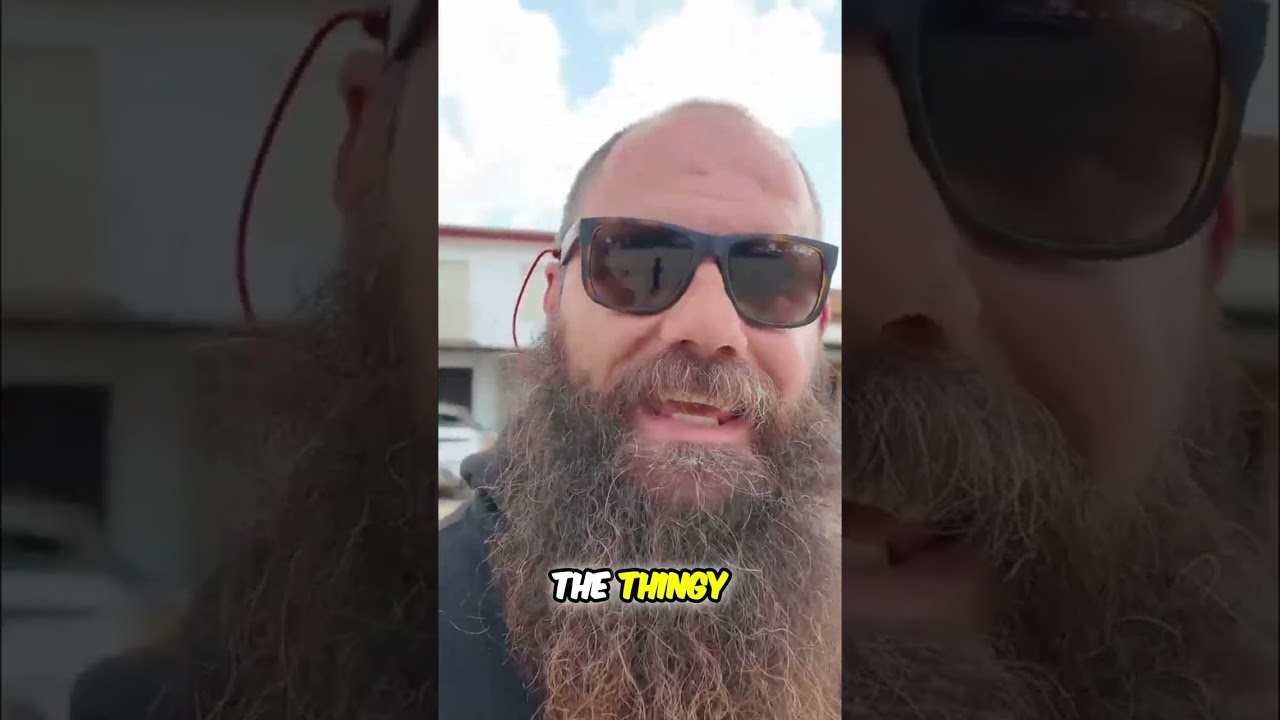
Experience a town where dirt roads are the norm and every house has a hitching post for horses. The unique charm of a place built around equestrian life. #EquestrianLife #SmallTownVibes #HorseCommunity #UniqueTowns

0
0
0
0

0
0
0
0
18

We'd be delighted to welcome you to our factory in Izmir, where you can explore our exceptional range of Power Catamaran models up close.For further information or to arrange a visit, feel free to get in touch with us anytime. - Sizleri, birbirinden özel Power Katamaran modellerimizi yakından keşfedebileceğiniz İzmir'deki fabrikamıza davet etmekten mutluluk duyarız.Detaylı bilgi almak veya ziyaret randevusu oluşturmak için dilediğiniz zaman bizimle iletişime geçebilirsiniz. Instagram: tuna_catamarans
0
0
0
666

0
0
0
574