Welcome aboard to the our video site for sailors. We are being constantly blasted by scammers and pirates, so registration is invite only
contact@sailorsahoy.com with "Invite". No spam, no newsletters. Just a free account
Shorts skab

The yellow stingray (Urobatis jamaicensis) is a species of stingray in the family Urotrygonidae, found in the tropical western Atlantic Ocean from North Carolina to Trinidad. This bottom-dwelling species inhabits sandy, muddy, or seagrass bottoms in shallow inshore waters, commonly near coral reefs. Reaching no more than 36 cm (14 in) across, the yellow stingray has a round pectoral fin disc and a short tail with a well-developed caudal fin. It has a highly variable but distinctive dorsal color pattern consisting of either light-on-dark or dark-on-light reticulations forming spots and blotches, and can rapidly change the tonality of this coloration to improve its camouflage. Relatively sedentary during the day, the yellow stingray feeds on small invertebrates and bony fishes. When hunting it may undulate its disc to uncover buried prey, or lift the front of its disc to form a "cave" attractive to shelter-seeking organisms. This species is aplacental viviparous, meaning that the developing embryos are sustained initially by yolk and later by histotroph ("uterine milk"). Females bear two litters of up to seven young per year in seagrass, following a gestation period of 5–6 months. Though innocuous towards humans, the yellow stingray can inflict a painful injury with its venomous tail spine. This species is taken as bycatch by commercial fisheries and collected for the aquarium trade; it may also be negatively affected by habitat degradation. Nevertheless, it remains common and widespread, which has led the International Union for Conservation of Nature (IUCN) to list it under Least Concern.

0
0
0
14

Schlemmen für den Klimaschutz: Was zu schön klingt um wahr zu sein, kann tatsächlich funktionieren. Schließlich entstehen in Deutschland fast genauso viele Emissionen durch die Nahrungsmittelindustrie wie durch Mobilität. Ebenso wichtig erscheint die Frage, ob „C02-armes“ Essen schmeckt. Wir haben drei mutige Kollegen mit Besteck und Hunger in unsere Experimentalküche geschickt, um sich nachhaltige Produkte – oder das Essen der Zukunft – auf der Zunge zergehen zu lassen. In den sechs Folgen der Videoserie „Klimafreundlich – aber lecker?!“ verraten uns die kulinarischen Versuchskaninchen per Daumen, was ihnen geschmeckt hat und was sie nachkochen würden. The LSG Group is the world’s leading provider of end-to-end onboard products and services for the travel industry. Its expert brands are: LSG Sky Chefs (airline catering and hospitality, lounges), Retail inMotion (onboard retail), SPIRIANT (onboard equipment) and Evertaste (convenience food).

0
0
0
85

0

0
0
0
370

0

0
0
0
327

Why HAM Radio Stores Don't Help with Marine Radios! #boat #sailing #shorts

0
0
0
65

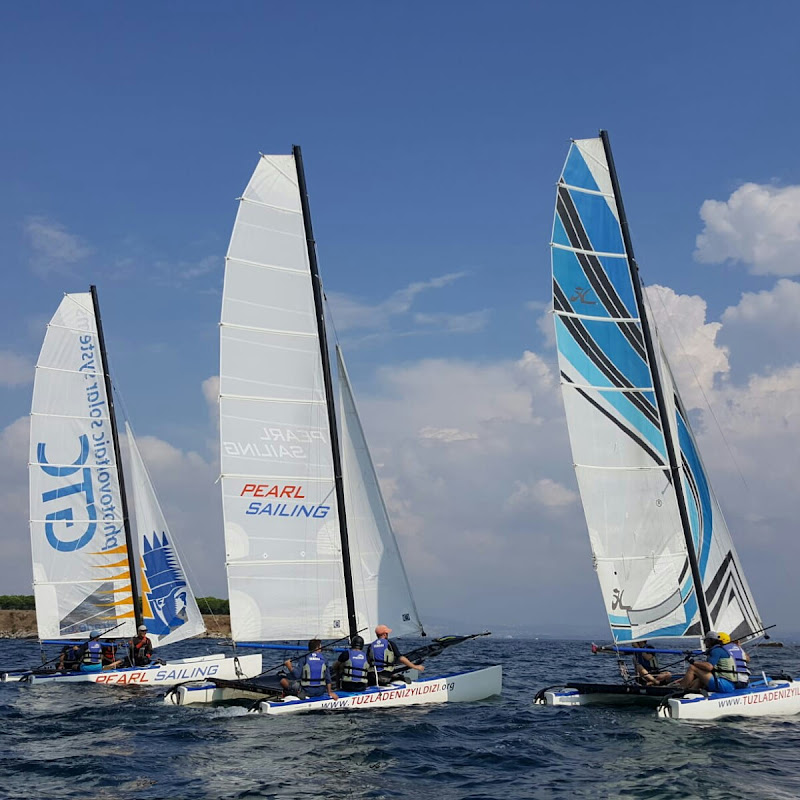
#catamaran #hobiecat #tuzla #istanbul
0
0
0
65