Welcome aboard to the our video site for sailors. We are being constantly blasted by scammers and pirates, so registration is invite only
contact@sailorsahoy.com with "Invite". No spam, no newsletters. Just a free account
ショーツ 作成

The yellow stingray (Urobatis jamaicensis) is a species of stingray in the family Urotrygonidae, found in the tropical western Atlantic Ocean from North Carolina to Trinidad. This bottom-dwelling species inhabits sandy, muddy, or seagrass bottoms in shallow inshore waters, commonly near coral reefs. Reaching no more than 36 cm (14 in) across, the yellow stingray has a round pectoral fin disc and a short tail with a well-developed caudal fin. It has a highly variable but distinctive dorsal color pattern consisting of either light-on-dark or dark-on-light reticulations forming spots and blotches, and can rapidly change the tonality of this coloration to improve its camouflage. Relatively sedentary during the day, the yellow stingray feeds on small invertebrates and bony fishes. When hunting it may undulate its disc to uncover buried prey, or lift the front of its disc to form a "cave" attractive to shelter-seeking organisms. This species is aplacental viviparous, meaning that the developing embryos are sustained initially by yolk and later by histotroph ("uterine milk"). Females bear two litters of up to seven young per year in seagrass, following a gestation period of 5–6 months. Though innocuous towards humans, the yellow stingray can inflict a painful injury with its venomous tail spine. This species is taken as bycatch by commercial fisheries and collected for the aquarium trade; it may also be negatively affected by habitat degradation. Nevertheless, it remains common and widespread, which has led the International Union for Conservation of Nature (IUCN) to list it under Least Concern.

0
0
0
320

tramite YouTube Capture

0
0
0
2,889
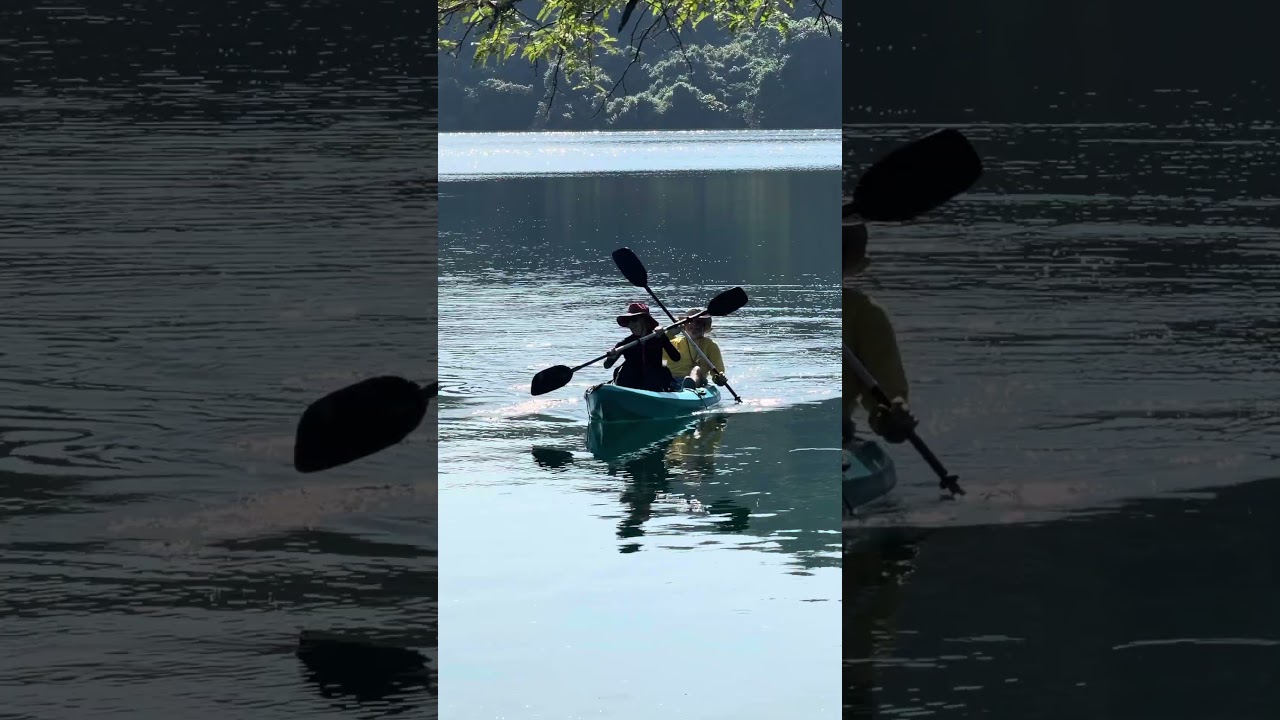
Everyone comes for Komodo. But beyond the dragons lies a journey through remote islands, vibrant reefs, hidden waterfalls, and communities that continue traditions shaped by the sea. Over 9 days and 8 nights, we followed ancient sailing routes across Eastern Indonesia, waking to new horizons each morning and ending each day beneath unforgettable sunsets. We swam alongside manta rays and whale sharks, planted coral through Sailing for Good, explored volcanic landscapes, and experienced moments that reminded us how much of the world still feels wonderfully wild. ⚓ Until the next voyage. #KomodoAndBeyond #KomodoNationalPark #SailingIndonesia #ExploreIndonesia #LiveaboardIndonesia #IslandExpedition #AdventureTravel #HiddenIndonesia #OceanJourney #SeaTrek #MantaRays #WhaleSharks #SailingForGood Begin your incredible adventure with SeaTrek right here: 🗺 Schedule | https://www.seatrekbali.com/schedule/ ⛵️ Website | https://www.seatrekbali.com 📚 SeaTrekker Magazine | https://www.seatrekbali.com/seatrekker-magazine/ 📧 Contact Us | info@seatrekbali.com 𝗪𝐞'𝐫𝐞 𝐚𝐜𝐭𝐢𝐯𝐞 𝐨𝐧 𝐨𝐭𝐡𝐞𝐫 𝐬𝐨𝐜𝐢𝐚𝐥 𝐦𝐞𝐝𝐢𝐚 𝐩𝐥𝐚𝐭𝐟𝐨𝐫𝐦𝐬 𝐭𝐨𝐨! 𝘐𝘯𝘴𝘵𝘢𝘨𝘳𝘢𝘮: https://www.instagram.com/seatreksail... 𝘍𝘢𝘤𝘦𝘣𝘰𝘰𝘬: https://www.facebook.com/Seatrekbali Visit our website: www.seatrekbali.com
0
0
0
1

SUBSCRIBE OUR CHANNEL https://www.youtube.com/c/theboatshow/?sub_confirmation=1

0
0
0
14,466
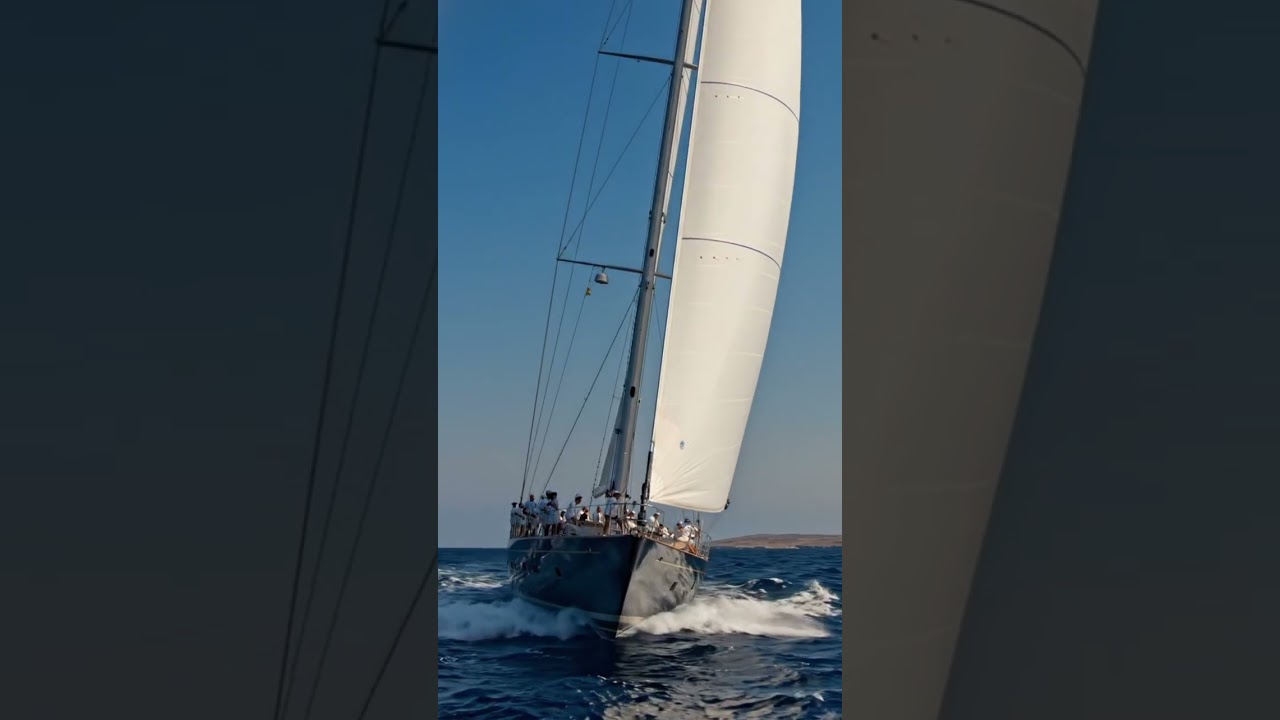
Experience the raw power and elegance of luxury sailing. Watching this massive yacht cut through the deep blue waves is the ultimate therapy. Whether you're a sailing enthusiast or just love luxury travel, this view is unbeatable. Don't forget to LIKE and SUBSCRIBE for your daily dose of luxury and adventure! #Sailing #LuxuryYacht #OceanLife #TravelGoals #Sailing #LuxuryLifestyle #YachtLife #Superyacht #Ocean #TravelGoals #Wealth #Adventure #Nautical #SeaLife #Billionaire #SailingLife #Explore #Wanderlust #LuxuryTravel
0
0
0
858

0

0
0
0
16