Welcome aboard to the our video site for sailors. We are being constantly blasted by scammers and pirates, so registration is invite only
contact@sailorsahoy.com with "Invite". No spam, no newsletters. Just a free account
Shorts Create

Sail&Surf Pollensa - Deine Segelschule auf Mallorca Folgt uns bei unseren Wöchentlichen Erlebnissen hier an der Segelschule. Holt Euch ein wenig Urlaub nach Hause. Für alle die uns vermissen oder kennenlernen möchten. Abonniert unsere Kanal oder verfolgt uns auf Facebook. www.sailsurf.de info@sailsurf.de Facebook: http://on.fb.me/SaDMf8
0
0
0
694

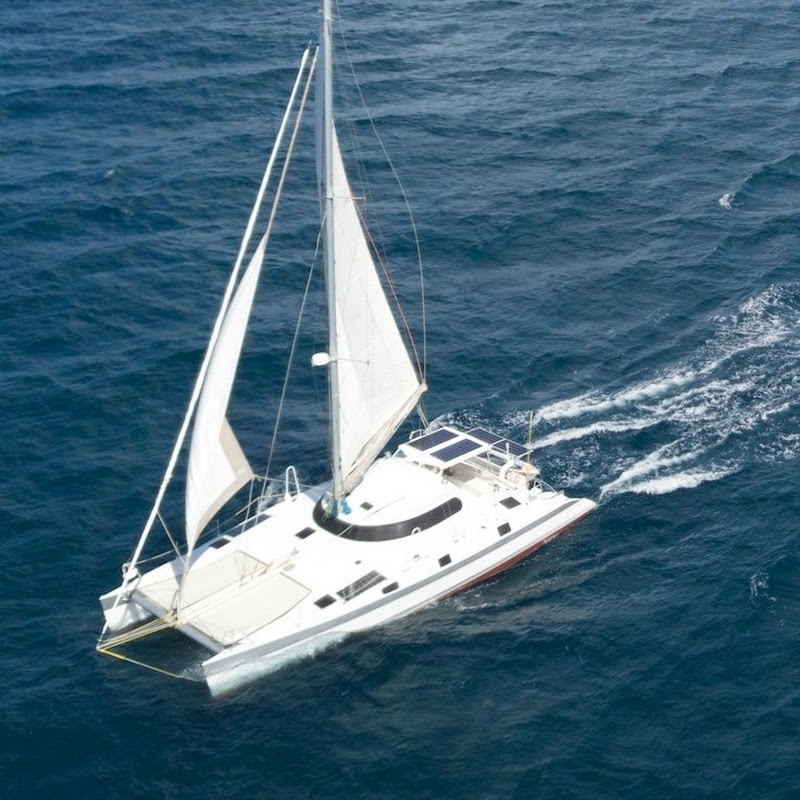
#outremer #outremer5x #boating #sailingboat #catamaran #sailing
0
0
0
1,007

Introducing the 2022 Mirage® Passport® R Series pedal fishing kayak with a new rotomolded hull construction. Built with the MirageDrive GT with Kick-Up Fin Technology, the Passport R Series kayaks pack a lot in a 10.5’ and 12’ model. Packed with tons of fish features and storage for your next fishing adventure, experience the latest in Hobie innovation. For additional details and information, please visit: Mirage Passport 10.5 R - https://www.hobie.com/kayaks/mirage-passport-10-5-r/ Mirage Passport 12 R - https://www.hobie.com/kayaks/mirage-passport-12-R/

0
0
0
16,714

The support structure below the decks must be installed correctly to achieve strength and follow the design curves. As the fore and aft decks are only 3mm plate the fixing/welding technique must be spot-on to avoid distortion of the plate. #aluminiumboat #cambodia #coastalboatscambodia #boatbuild #aluminiumboat #
0
0
0
44

Steady... steady!!! #shorts #sailing #adventure
0
0
0
5,289

Anlanden mit dem Dinghi an den schönsten Stränden des Mittelmeeres. Jetzt den Sommerurlaub buchen unter https://sailorama-segelreisen.at

0
0
0
228