Welcome aboard to the our video site for sailors. We are being constantly blasted by scammers and pirates, so registration is invite only
contact@sailorsahoy.com with "Invite". No spam, no newsletters. Just a free account
निकर सृजन करना
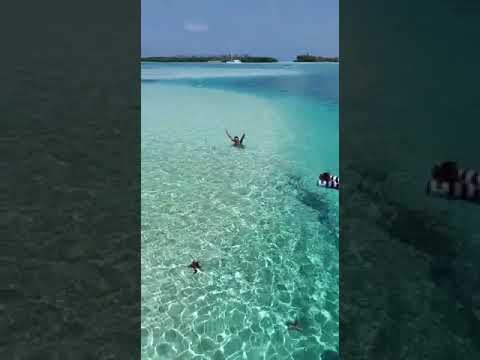
It depends on your interests: for isolated and natural locations visit Dutch Cays and Coco Bandero. Those looking for bars, restaurants and a little action, head over to Cayo Limon or Lemon Cays. The archipelago of Guna Yala, also called the San Blas islands, lies in the East coast of Panama and it stretches all through the coast and well into Colombia. More than 365 islands with not even 50 of them inhabited make traveling in San Blas and sailing around the islands a monumental task that can only be successfully approached by experienced sailors with profound knowledge of the area and its peculiarities. The territory of San Blas is not only the islands within it but also part of the tropical jungle ashore. For years the fact that the region of San Blas has been owned and administered by the Kuna Indigenous has kept deforestation and construction away for the most part of the territory thus conserving an amazingly intact tropical ecosystem. * Our tours in San Blas offer not only the possibility to visit the islands and the cays but also the chance to venture upstream into the lush jungle. Jungle tours are run from Corazon de Jesus and Nargana islands where the airport lies; costs are $10 person or less depending on the size of your group. San Blas is safe, completely safe, and opportunities to explore the deep San Blas region should not be overlooked. Let us know upon reservation if you are interested in this 1/2 jungle tour as an addon to your sailing holidays. Our main sailing area in San Blas is the gulf and the islands within it. All inclusive yacht charters are run in the 20 Nautical miles gulf of San Blas area that is protected from the weather and any possible climatology adversities. San Blas sailing is definitely a unique experience and one that will leave you memories for life. But be aware, a catamaran experience such as a crewed catamaran holiday and specially in this remote areas can be served in many ways... For the most part we advise not to visit and stay away from the most famous islands in San Blas, like Isla Perro, Perro Chico, Robeson, Banedub, El Porvenir and Cayo Limon or Lemon Cays. Main reason to keep away from these islands it that they receive vast amounts of mostly Panamanian tourist and tend to get crowded and uncomfortable. Yes, this islands mentioned are also amazingly charming and we do visit them at times, but only during the summer days when tourism declines. The perfect Caribbean catamaran sailing charter must deliver a unique experience that is adapted to your needs, one catamaran experience with that special touch and uniqueness that stands out from the rest of other Caribbean sailing vacations. The ambitious goal of the perfect sailing vacation in San Blas is achieved by sailing away from the more frequented islands and venturing into the true and deep San Blas. Main rule is to set the starting point away from the vicinity of the road access to San Blas and the ports of San Blas. Day tourists can only reach the islands not so distant from the mainland access so as to maximise their time in the San Blas islands. There is an exception though, some very interesting islands to visit such as Aguadup and Soledad Miria must not be overlooked and they are relatively close to the road entrance. If you want a total immersion into the Kuna society and their way of living, these are your islands. Be warned: these islands and the traditional way of living are definitely not your typical tourist attraction. No snorkelling or clears waters in these islands, the proximity of the rivers and their murky waters make this sites not interesting for swimming. Our sailing grounds are basically the islands that compose the outer San Blas, including the vast number of islands and isolated anchorages in Cayo Coco Bandero, Cayos Holandeses (Dutch Cays) with BBQ island, Nargana surrounding islands like Bapurgana and Cambombia along with the great number of inhabited islands easily reached with our dingy or our paddle boards. When found, Kuna indigenous locals are appreciative of our visit and our cordiality and will open their lives and knowledge to us. Unlike other tourist beaten destinations, San Blas still preserves the untouched and calm atmosphere dreamed by many. Embark on a sailing expedition onboard our crewed all inclusive sailing charters in the Caribbean side of Panama. Chose your catamaran, set your dates and let us take care of the rest. We would love to show you the true San Blas.
0
0
0
75

0

0
0
0
74

0
0
0
0
480

Coastal Wilderness North Pacific Ocean is still Wild Please. Sailing the wild coast for past 15 years aboard a Steel Brent Swain Pilot House Sail Boat, full liveaboard, owner built. Everyday an adventure. Full version @gotherefindout
0
0
0
16

Enjoying the versatility of the Kanka.
0
0
0
191

#oceanview #Indonesia #sailingadventure #wonderfulindonesia #liveaboard #sailing #baliindonesia #travelbali #travel 👍 If you found this video helpful, don't forget to LIKE and SUBSCRIBE for more adventure in Indonesia through Indonesian eyes ! Begin your incredible adventure with SeaTrek right here: 🗺 Schedule | https://www.seatrekbali.com/schedule/ ⛵️ Website | https://www.seatrekbali.com 📧 Contact Us | info@seatrekbali.com 𝗪𝐞'𝐫𝐞 𝐚𝐜𝐭𝐢𝐯𝐞 𝐨𝐧 𝐨𝐭𝐡𝐞𝐫 𝐬𝐨𝐜𝐢𝐚𝐥 𝐦𝐞𝐝𝐢𝐚 𝐩𝐥𝐚𝐭𝐟𝐨𝐫𝐦𝐬 𝐭𝐨𝐨! 𝘐𝘯𝘴𝘵𝘢𝘨𝘳𝘢𝘮: https://www.instagram.com/seatreksail... 𝘍𝘢𝘤𝘦𝘣𝘰𝘰𝘬: https://www.facebook.com/Seatrekbali 𝘓𝘪𝘯𝘬𝘦𝘥𝘐𝘯: https://www.linkedin.com/company/seat... Visit our website: www.seatrekbali.com
0
0
0
21