Welcome aboard to the our video site for sailors. We are being constantly blasted by scammers and pirates, so registration is invite only
contact@sailorsahoy.com with "Invite". No spam, no newsletters. Just a free account
Calção Crio
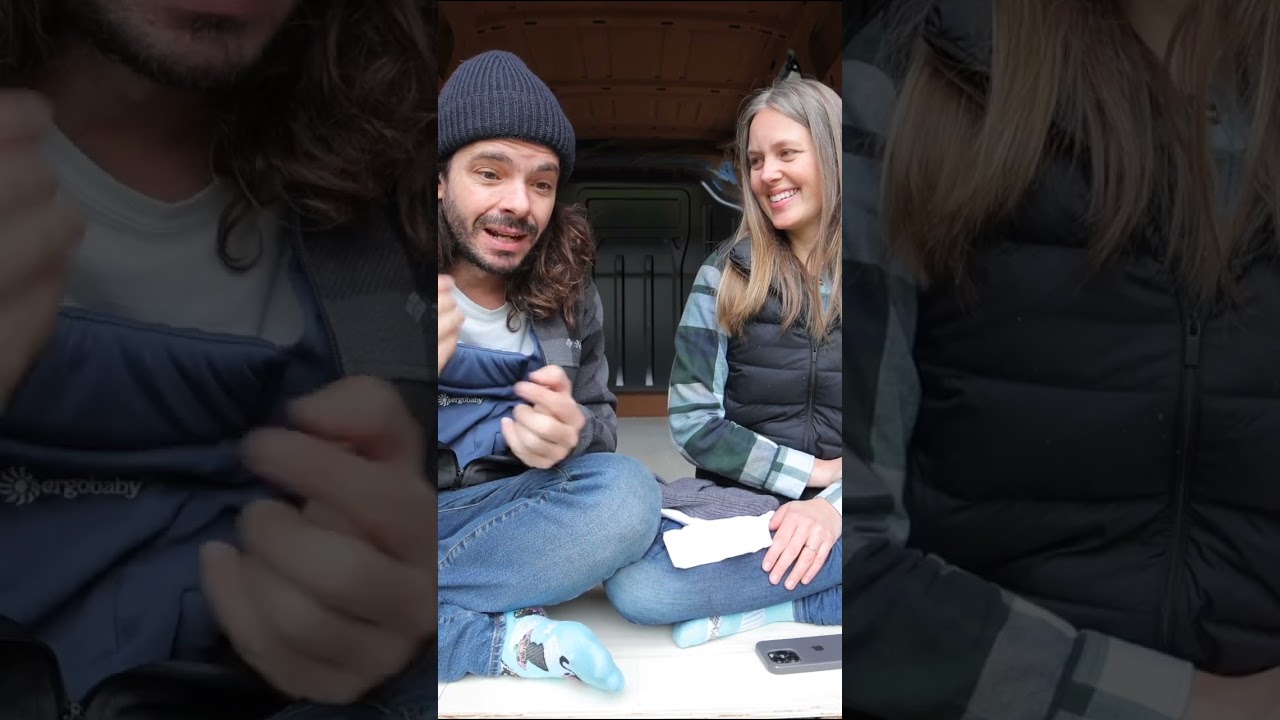
Full video here: https://youtu.be/xuSOqwWw4HA?si=G7b2UVxhSp78xHP5 #baby #pregnancy #pregnant

0
0
0
9,762

The Solent is the most iconic and historic America’s Cup venue, dating back to 1851 when the inaugural Cup was a sprint around the Isle of Wight. Spectators can watch the action unfold across four days of highly-charged racing, during a two hour race window each day. The Race Village Fanzone will open daily from 10.30 – 18.00 and you can choose from one day, weekend and four-day event passes for general admission to the Race Village Fanzone, Premier Grandstand seating to a weekend of hospitality in the prestigious Emirates Lounge. Children five and under go free and those aged six - 15 half price with an adult purchaser of a general race village admission ticket. Tickets are on sale @ https://americascup.com/acws/portsmouth/tickets Like America’s Cup On Facebook: www.facebook.com/americascup Follow America’s Cup On Twitter: www.twitter.com/americascup Follow America’s Cup On Instagram: www.instagram.com/americascup Stay up to date with the America’s Cup newsletter: www.americascup.com/en/newsletter The 36th America's Cup presented by Prada will be contested by the winner of the 2017 America's Cup, the Royal New Zealand Yacht Squadron represented by their team, Emirates Team New Zealand, and the winner of the Prada Cup, the challenger selection series which takes place in January–February in 2021. #AmericasCup #AC36 #Auckland2021

0
0
0
12,810
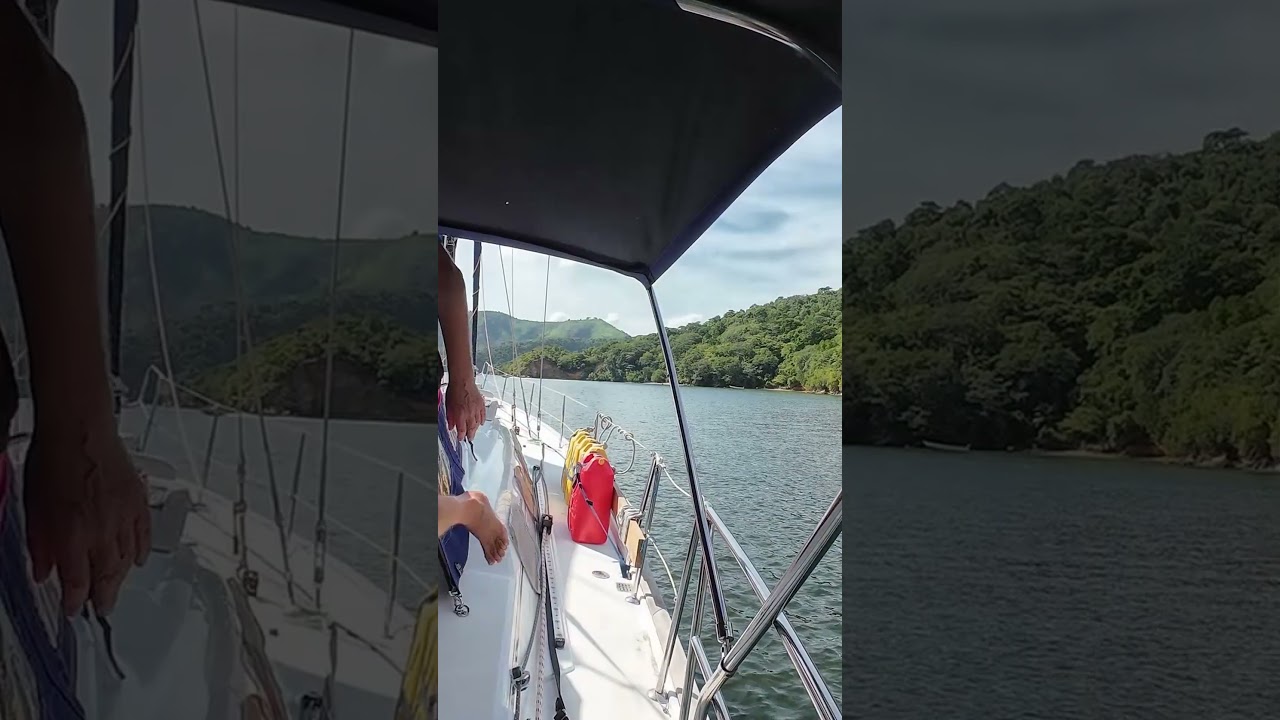
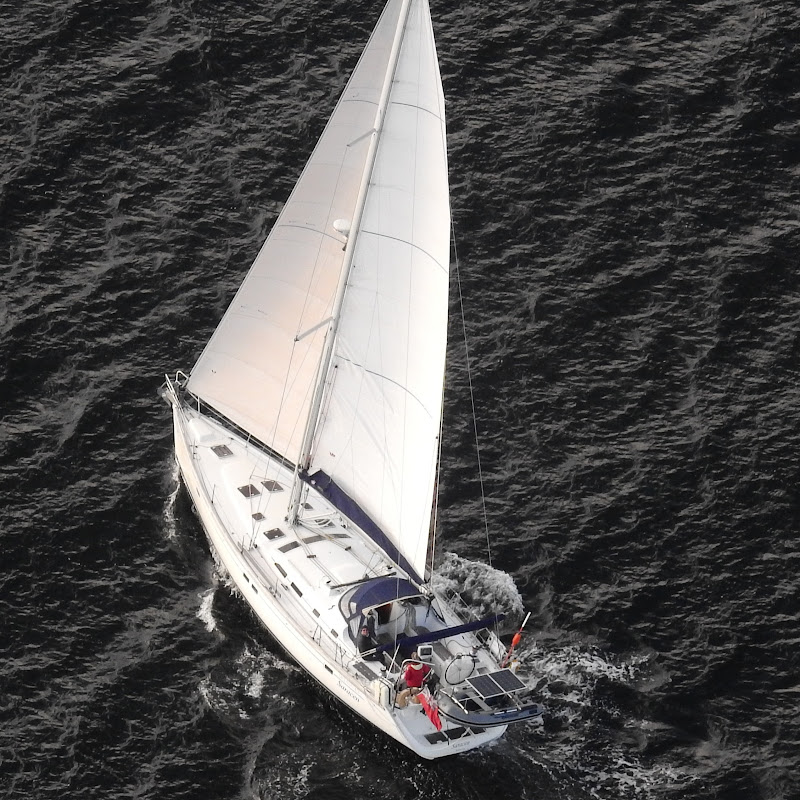
Here's a link to the full video, https://youtu.be/gPNX9MHJs1o If you want to binge watch here is a link to our first season playlist 2023 https://www.youtube.com/playlist?list=PLTnjHpfUuECUAA8rwRSxxMvqq9EMx_MR8 and our 2024/25 season one is here, https://www.youtube.com/playlist?list=PLTnjHpfUuECW7zdkJqoO7suNGfxh8lHRc Hi All, Welcome to our channel, We are Andrew and Irene a middle aged (well not sure what age range that encompasses nowadays ) couple pursuing an adventure on the high seas. We sail on the good ship Saracen, a Beneteau Oceanis 473 from 2006. Out journey started in Scotland in early 2023 and our ultimate goal is to sail around the globe …..slowly. We make these videos mostly for family and friends and to create a record of our adventures for ourselves so that we can look back at them later in life, were not in it to make money (way to hard). Thanks for taking an interest and please remember to leave a like, comment and subscribe to our channel, as this helps push the algorithm as we strive to boost our viewers. We also write a blog which can be found here https://www.sailblogs.com/member/saracen/ Link to our noforeignland boat page https://www.noforeignland.com/boat/6490851356180480 Instagram http://www.instagram.com/andrew.campbell386 #SVSaracenstravels #sailinglife #sailing #yachts #sailingaroundtheworld #liveaboardlife #liveaboard #beneteau #oceanis473 #caribbean #yachting #sailingcouple #sailingcaribbean #cruiser #crusinglifestyle #retired #travellingcouple #wanderlust #explore
0
0
0
181

Siempre hablamos de si es conveniente anticiparse o no a la toma de rizos en un barco de vela. Cuando navegamos desde la ceñida, pasando por el descuartelar y hasta el través, es primordial aplanar las velas para evitar un exceso de potencia. Para ello tenemos una serie de controles tales como las escotas, los carros de escota, el pajarín, la driza o el cunningham
0
0
0
1,485

Queréis saber cómo funciona el sistema de boyas en las Islas Vírgenes Británicas y de los EEUU? Sobre todo en las de EEUU, hay algo curioso👀 que te lo explicamos al final!🤪 Si tienes alguna duda, pregunta a ver si la sabemos🤪🙋🙋 Por cierto, nosotros sólo las hemos cogido cuando no podíamos fondear (por estar prohibido por ser parque natural, o porque era un tenedero rocoso,…). Aquí te dejamos los enlaces: Islas Vírgenes Británicas y EEUU: https://boatyball.com/ Islas Vírgenes EEUU: https://www.nps.gov/viis/planyourvisit/boating-information.htm . . . #sail #sailing #barco #barcos #sailing_lasonambula #velero #boyas #boya #paradise #dronephotography #antillasmenores #caribe #caribbean #carib #mooring #destinos #usvi #bvi #beach #navegar #navegaravela #navegarporelmundo #blue #travel #beaches #moorings #sailingaroundtheworld #destination #navegaravela
0
0
0
2,757

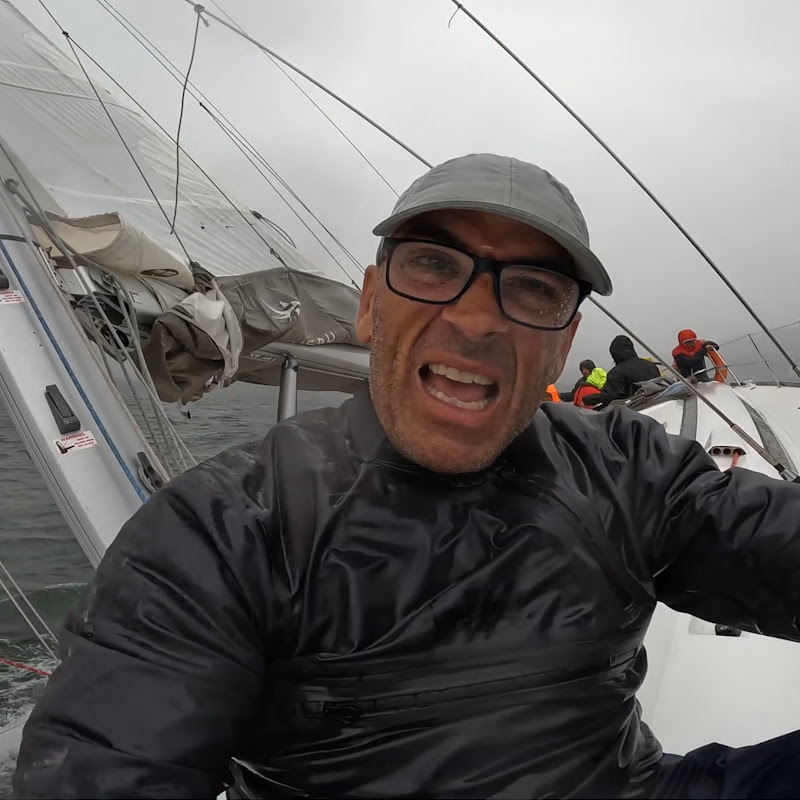
mais la vague est violente !!
0
0
0
2