Welcome aboard to the our video site for sailors. We are being constantly blasted by scammers and pirates, so registration is invite only
contact@sailorsahoy.com with "Invite". No spam, no newsletters. Just a free account
מִכְנָסַיִים קְצָרִים לִיצוֹר
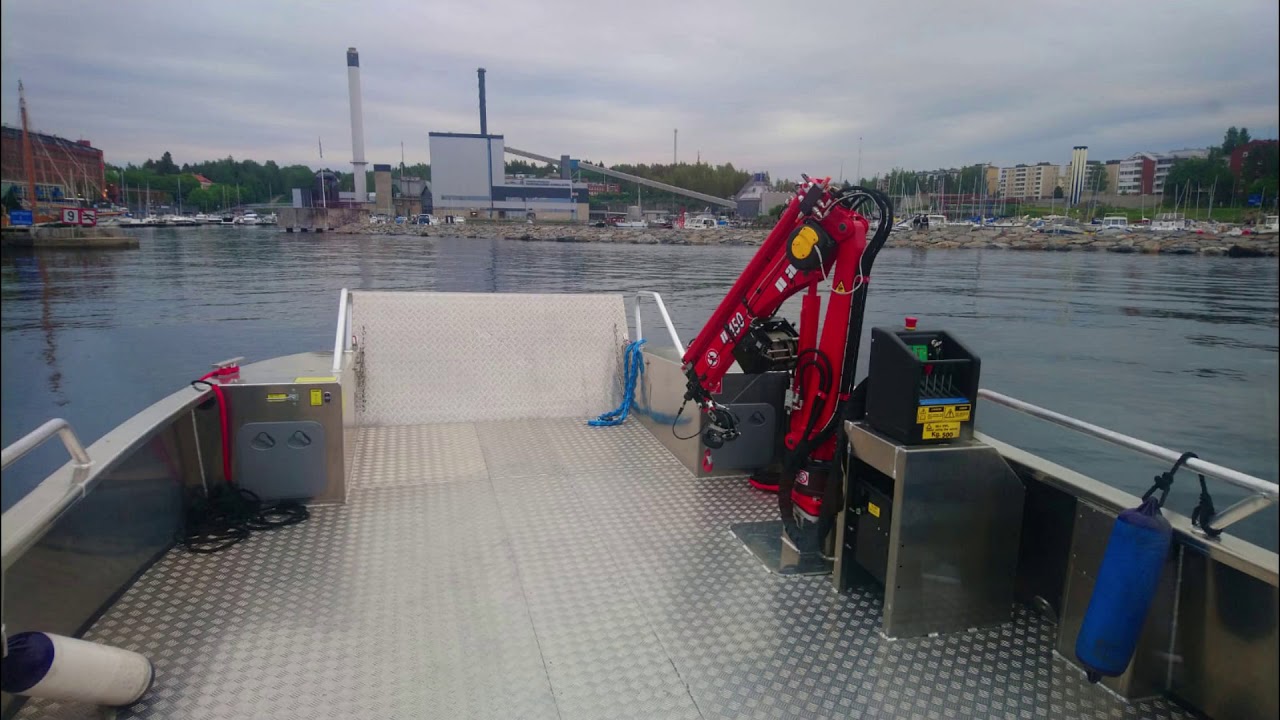
ALUCAT W25 CABIN4 - ammattilaiselle vain parasta! Mahtavat ajo-ominaisuudet, lisäksi turvallinen ja tasapainoinen katamaraani jossa on niin tilaa kuin kantavuutta. Taloudellinen katamaraanialus, joka soveltuu valtavan kantavuutensa ja kansitilansa ansiosta monipulisiin käyttötarkoituksiin. Suurikokoista alusta on erittäin helppo ja kiva ajaa.ALUCAT W25 CABIN4 - only the best for professionals! Awesome driving characteristics, in addition to a safe and balanced catamaran with both space and load capacity. An economical catamaran that is suitable for a wide range of uses due to its huge carrying capacity and deck space. The large ALUCAT is very easy and nice to drive. www.alucat.fi
0
0
0
1,088

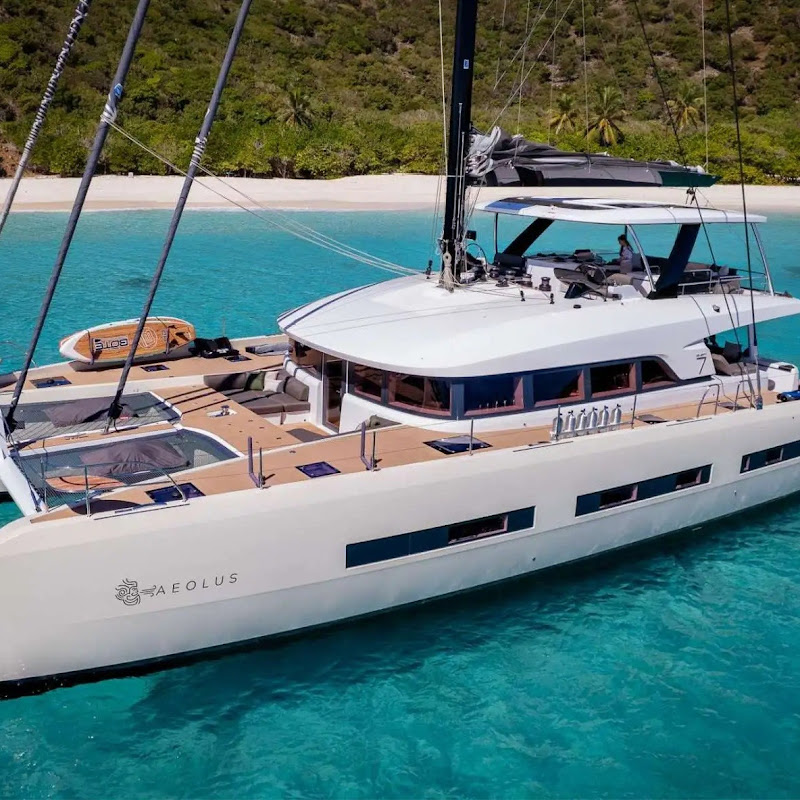
Meet the marine scientist turned dive instructor who makes underwater adventure feel personal. Watch the full video: https://www.youtube.com/watch?v=G6lLKaR4lQs INQUIRE: https://mybvicharter.com/ https://dmayachting.com/
0
0
0
2

The Prada Cup, the Challenger Selection Series for the 36th America's Cup Presented by Prada gets underway in six months' time on January 15th, 2021. Who will be the 36th Challenger for the America's Cup? SUBSCRIBE to the official America's Cup channel: www.youtube.com/americascup Like America’s Cup On Facebook: www.facebook.com/americascup Follow America’s Cup On Twitter: www.twitter.com/americascup Follow America’s Cup On Instagram: www.instagram.com/americascup Stay up to date with the America’s Cup newsletter: www.americascup.com/en/newsletter The 36th America's Cup presented by Prada will be contested by the winner of the 2017 America's Cup, the Royal New Zealand Yacht Squadron represented by their team, Emirates Team New Zealand, and the winner of the Prada Cup, the challenger selection series which takes place in January–February in 2021. #PradaCup #AmericasCup #AC36 #Auckland2021

0
0
0
4,568

0
0
0
0
1,034
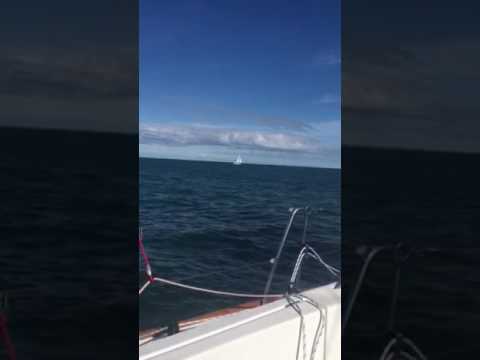
A great video from our customer Jonathan of his Custom Code Zero with the Welsh Flag printed on the Contender Superkote 250 spinnaker cloth.

0
0
0
765

0
0
0
82