Welcome aboard to the our video site for sailors. We are being constantly blasted by scammers and pirates, so registration is invite only
contact@sailorsahoy.com with "Invite". No spam, no newsletters. Just a free account
Shorts Créer

alignement pompe injection CAV VOLVO PANTA MD7A FIN PARTIE 4
0
0
0
9


0
0
0
327
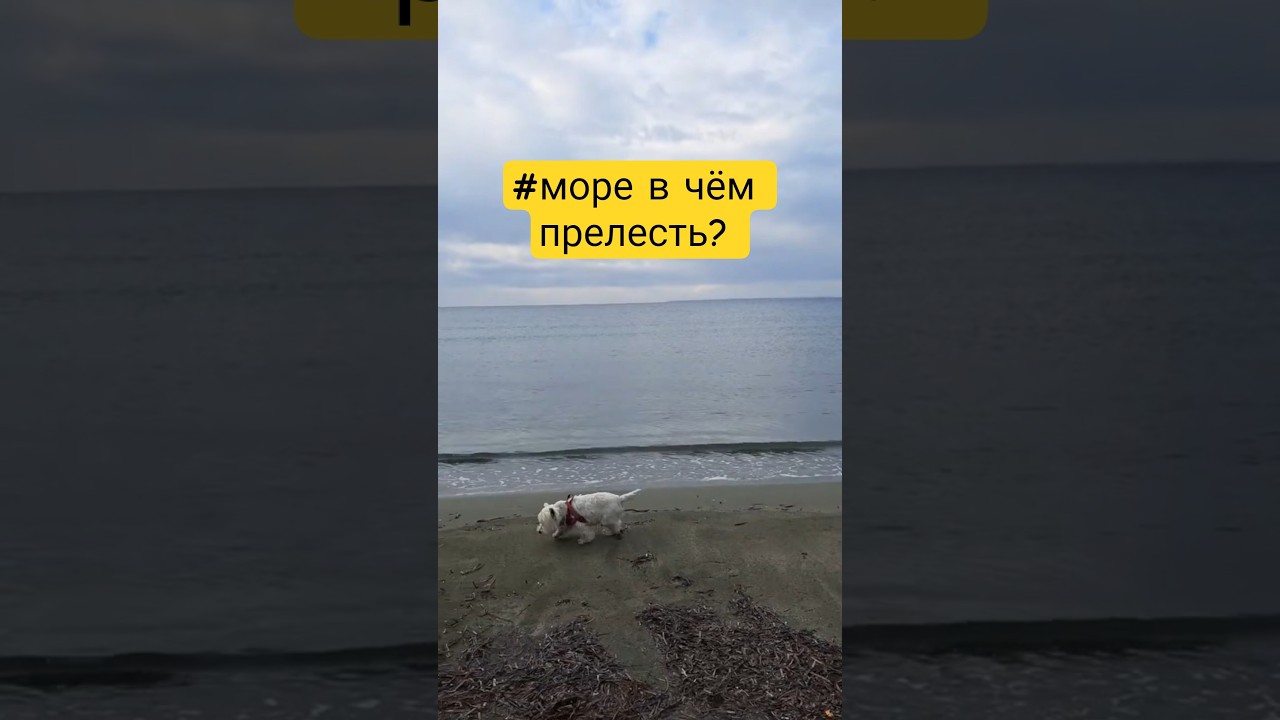
По традиции, до завтрака вышли пройтись вдоль морского берега с пёселем 🌴🌊🐾 Присоединяйтесь к нашему эфиру. Поговорим о погоде, море, яхтинге! Поприветствуем друг друга 🤝 #livestream
0
0
0
39
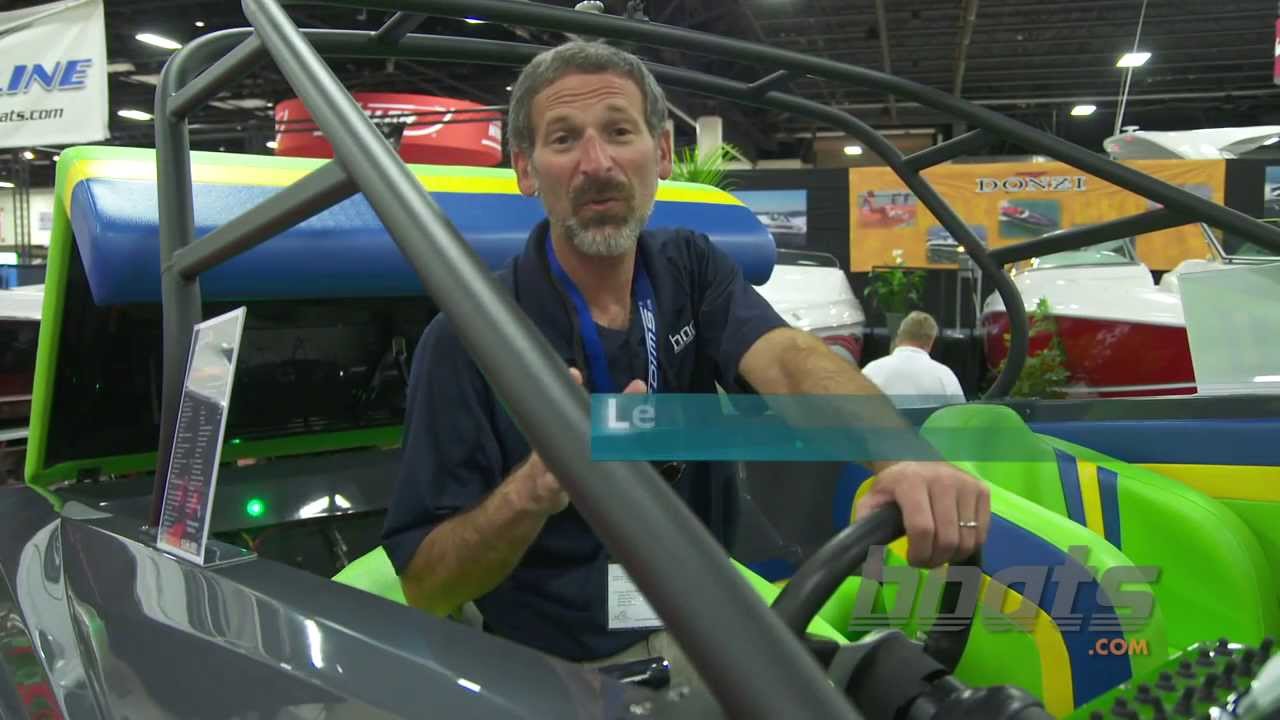
Baja is known for making red-hot speedboats, but their Outlaw 26 is unlike any they've produced in the past. It's not because of the giant stowage locker you'll see aft. It has nothing to do with the wild color schemes, or the cool wakeboarding arch. Nope - this one's a shocker. But to find out what's so new and different about the Baja Outlaw 26, you'll have to check out this First Look video. http://features.boats.com/boat-content/2013/12/2014-baja-outlaw-26-first-look-video/ For more boat videos, visit www.boats.com.

0
0
0
7,042

Qui sommes-nous ? GlobeSailor est l'agence n°1 spécialisée dans la location de bateaux et la vente de croisières à la cabine et thématiques depuis 2008. Grâce à notre réseau de 1 000 loueurs professionnels certifiés dans plus de 180 destinations à travers le monde, nous proposons plus de 14 000 bateaux à louer avec ou sans équipage : voiliers, catamarans, yachts, goélettes, bateaux à moteur… Rendez-vous sur notre site pour réserver votre prochaine croisière 👉 https://www.globesailor.fr

0
0
0
320,782

Un bateau révolutionnaire : le Four Winns H2E - idéal pour les activités touristiques et les sports nautiques dans les lagons avec ZERO Emissions ! Disponible chez Sail Tahiti. passez nous voir à notre showroom du centre Vaima ou contactez nous sur www.sailtahiti.com !

0
0
0
272