Welcome aboard to the our video site for sailors. We are being constantly blasted by scammers and pirates, so registration is invite only
contact@sailorsahoy.com with "Invite". No spam, no newsletters. Just a free account
السراويل القصيرة خلق

DNA Performance Sailing Tutorial about how to install the foiling daggerboards on the DNA F1 A-class catamaran. Check out the video and find out how to install them and what not to do!

0
0
0
1,327

Arial view of the Takacat 300 Lite cursing over a magical coral reef. The unique bow design makes getting in and out of the water when swimming, snorkeling or diving extremely easy. The Stability is also second to none. http://www.takacat.com Shoot on location at http://www.matafonua.com

0
0
0
938
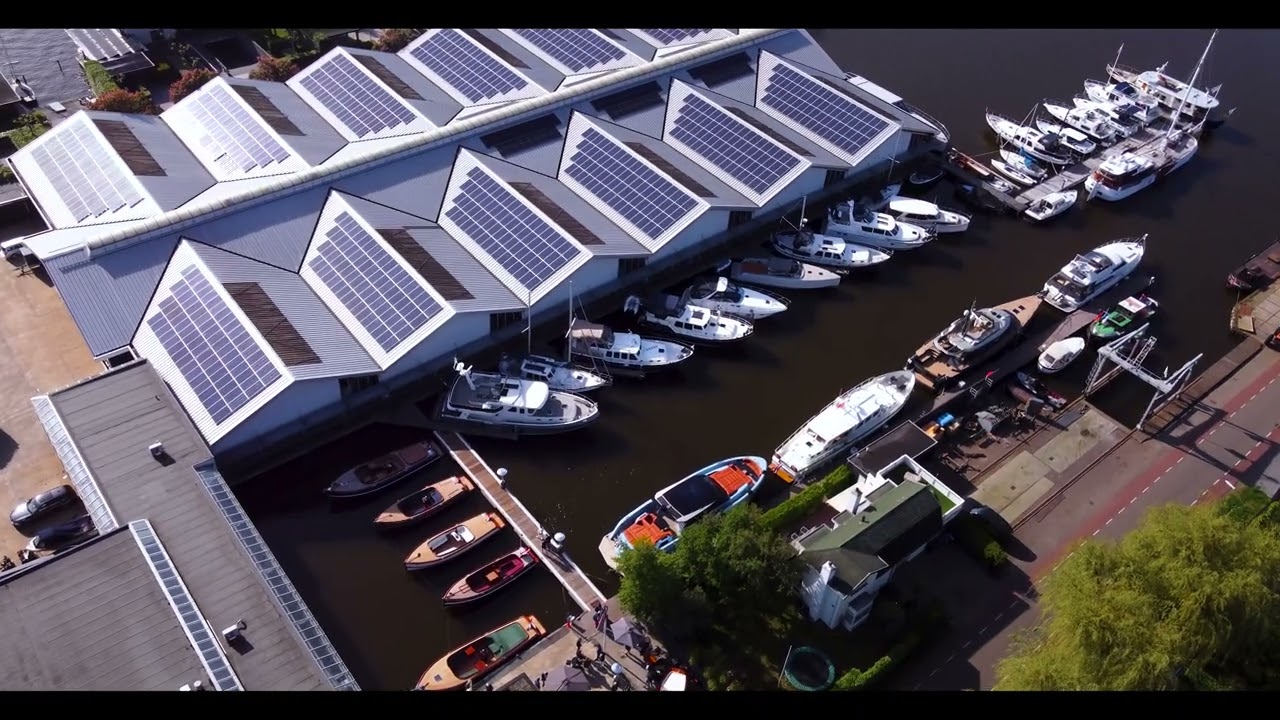
Since the founding of De Valk in 1947, our organization has been based in Loosdrecht. From this location we provide services and expertise in buying and selling yachts. Located in the center of the lakes in Loosdrecht, our location is not only in a beautiful natural area, but is also very centrally located in the urban agglomeration. With easy access to the country's major cities and waterways, Loosdrecht is the ideal location for buying or selling your yacht. More information: https://www.devalk.nl/en/offices/loosdrecht.html #devalk #devalkyachtbrokers #yachtbroker #yachtbrokerage #loosdrecht

0
0
0
601

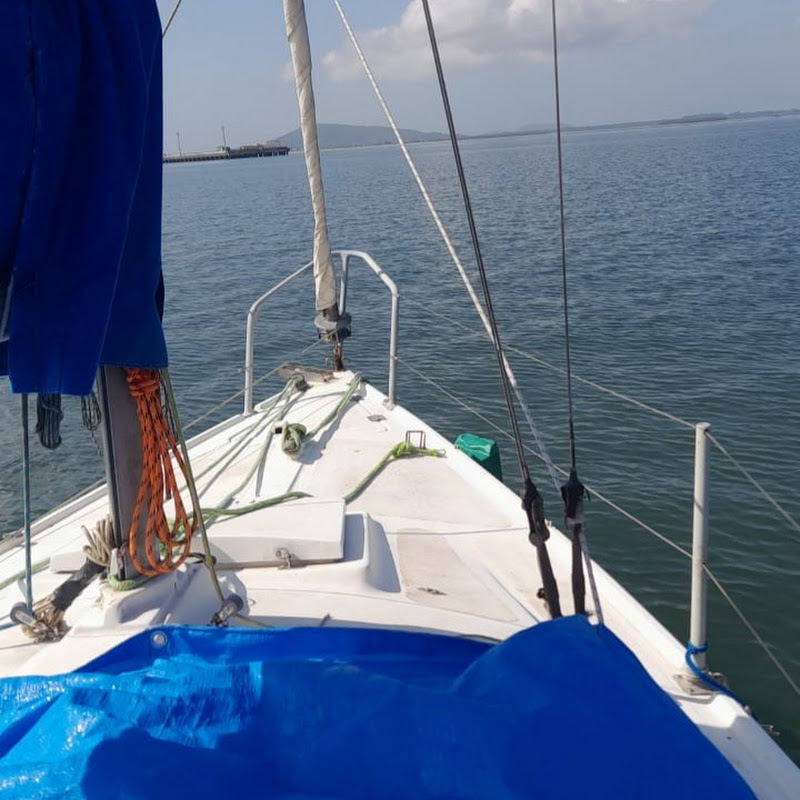
Veleiro Tagus Acompanhe as aventuras a bordo de uma barco a vela, ou seria um barco a velho ! Por que nunca é tarde para velejar. Acompanhe o canal.
0
0
0
507

0
0
0
0
54

I really wanted to love this Bajang (also known as Zongzi). It’s a masterpiece of culinary engineering: sticky rice, savory fillings, and that iconic pyramidal shape, all bound by the ancient technology of the banana leaf. This dish dates back over 2,000 years to the Zhou Dynasty. Legend says it was born as a ritual offering to honor the poet Qu Yuan, thrown into rivers to prevent fish from eating his body. It’s a symbol of loyalty and survival, a portable meal designed for ancient travelers and warriors. As a researcher, I admire the craft. The leaf infuses the rice with polyphenols and a distinct grassy aroma, a perfect example of indigenous cuisine using nature as a pressure cooker. But strictly from a taste perspective? It didn’t click for me today. The flavor profile is complex, dense, and deeply traditional, but sometimes food heritage challenges our modern palates. And that’s okay. My mission isn’t to find "tasty" food, it’s to preserve the taste of history. Is this a masterpiece or just an acquired taste? Have you tried Bajang? Let’s talk in the comments. 👇 Culinary anthropologist tasting traditional Bajang (Zongzi) wrapped in banana leaves at Yaowarat, Bangkok’s Chinatown street food market. Authentic food history research and honest review of ancient Chinese-Thai recipes by a cookbook author. Visuals include sticky rice texture, bustling night market lights, and ethnographic food study.

0
0
0
110