Welcome aboard to the our video site for sailors. We are being constantly blasted by scammers and pirates, so registration is invite only
contact@sailorsahoy.com with "Invite". No spam, no newsletters. Just a free account
Quần short Tạo ra

THE SWIMMING BOAT-CAT! ⚓️🐈💦. That dive in though….🤣🤣🤣 Our sailor-cat Ronnie loves his independence and spends a couple hours off the boat and on the beach each day…returning either by paddleboard ‘taxi’ or - like this - in his own special way 😂 People say cats don’t like water…well it just goes to show that you can’t believe what people say and that we’re all unique & adaptable! Find us on Tiktok or facebook @sailinghollyblue for more content! #sailing #sailinglife #liveaboard #sailingboat #sailingstagram #sailingyacht #sailingtrip #instasailing #boat #sailingphotography #sailingship #sailinginstagram #sailingboats #sailingday #sailingpassion #sailingadventure #sailingworld #sailingaway #catlover #boatlife #catlove #sailinglovers #sailinglifestyle #boats #sailingtime #catsofinstagram #catlovers #cats #lovesailing #sailinghollyblue

0
0
0
40,289

Il video di oggi è un po’ particolare. Anziché del diario di bordo, parla di un diario di viaggio. Quello che stiamo compiendo proprio in questo periodo e che amiamo raccontare attraverso dei video. Come quello uscito oggi, qui su YouTube.
0
0
0
1,973

Ritorna il format più divertente del web sulle uscita in barca a vela: cazzate in barca!⛵️ Iniziamo una serie in cui parliamo dell’ormeggio in porto… ✅Le manovre di ingresso in porto e la fase di ormeggio di una barca a vela sono due momenti cruciali durante la navigazione. Durante l'ingresso in porto, il timoniere deve essere attento a diversi fattori, come il vento, la corrente e il traffico marittimo. È importante pianificare in anticipo la manovra e comunicare con il resto dell'equipaggio. ✅Le manovre di ingresso in porto e la fase di ormeggio richiedono pratica e esperienza. È importante essere pazienti e concentrarsi durante queste fasi per garantire la sicurezza dell'equipaggio e della barca. * E tu hai mai provato ad assistere alle manovre di ingresso in porto e alla fase di ormeggio? Prova questa fantastica emozione. Clicca il link in bio per maggiori informazioni. * #barcaavela #catamarano #viaggiando #patentenautica #navigare #sailinglovers #sailingpassion #scuolavela #ironia #weekendavela

0
0
0
855
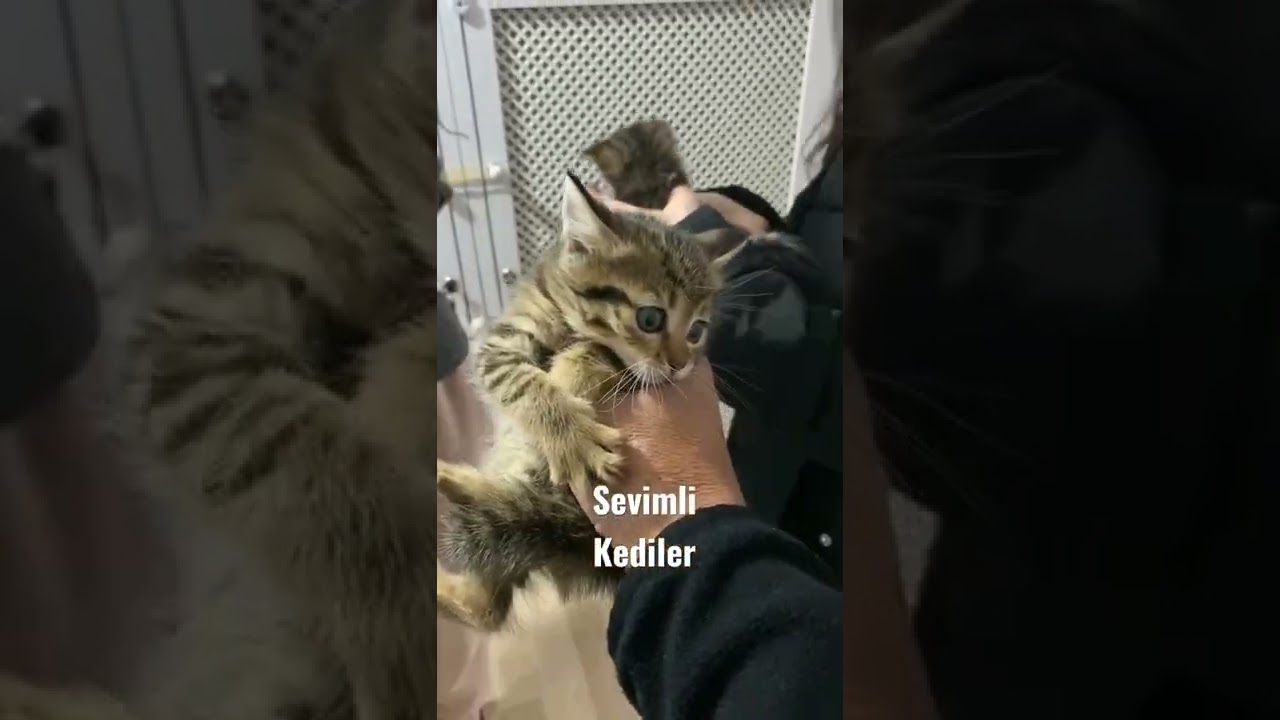
Dünyanın En Tatlı Canlıları için Kanalıma beklerim
0
0
0
967

The yellow stingray (Urobatis jamaicensis) is a species of stingray in the family Urotrygonidae, found in the tropical western Atlantic Ocean from North Carolina to Trinidad. This bottom-dwelling species inhabits sandy, muddy, or seagrass bottoms in shallow inshore waters, commonly near coral reefs. Reaching no more than 36 cm (14 in) across, the yellow stingray has a round pectoral fin disc and a short tail with a well-developed caudal fin. It has a highly variable but distinctive dorsal color pattern consisting of either light-on-dark or dark-on-light reticulations forming spots and blotches, and can rapidly change the tonality of this coloration to improve its camouflage. Relatively sedentary during the day, the yellow stingray feeds on small invertebrates and bony fishes. When hunting it may undulate its disc to uncover buried prey, or lift the front of its disc to form a "cave" attractive to shelter-seeking organisms. This species is aplacental viviparous, meaning that the developing embryos are sustained initially by yolk and later by histotroph ("uterine milk"). Females bear two litters of up to seven young per year in seagrass, following a gestation period of 5–6 months. Though innocuous towards humans, the yellow stingray can inflict a painful injury with its venomous tail spine. This species is taken as bycatch by commercial fisheries and collected for the aquarium trade; it may also be negatively affected by habitat degradation. Nevertheless, it remains common and widespread, which has led the International Union for Conservation of Nature (IUCN) to list it under Least Concern.

0
0
0
320

Seagulls and Eagles just hanging around on icebergs in Holkham Bay, Alaska. So many adult and juvenile eagles!
0
0
0
1,397