Welcome aboard to the our video site for sailors. We are being constantly blasted by scammers and pirates, so registration is invite only
contact@sailorsahoy.com with "Invite". No spam, no newsletters. Just a free account
Шорты создать
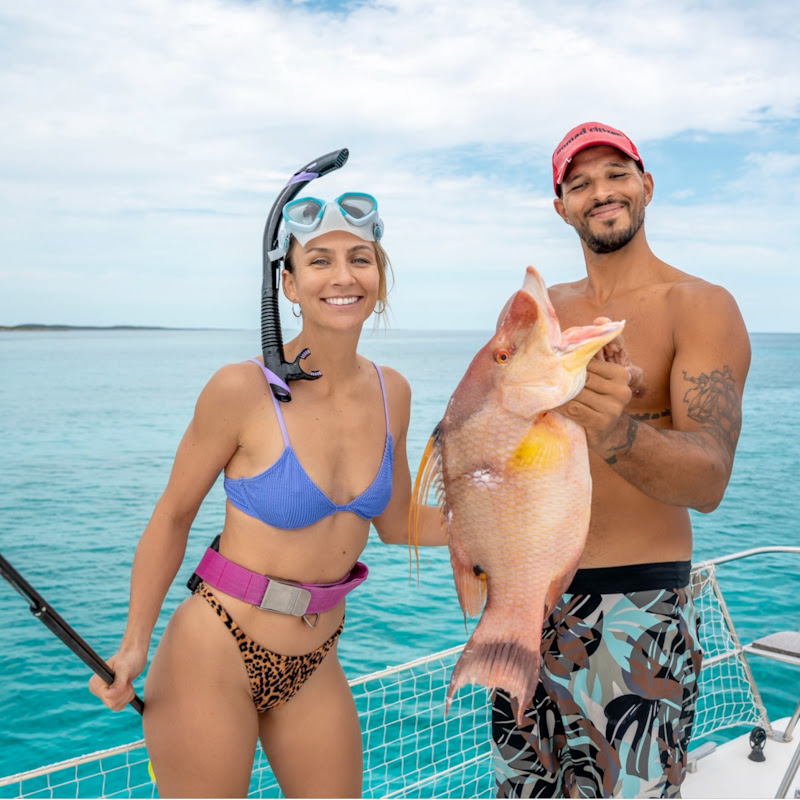
I discovered a video that completely changed my perspective on life. Meet Baden Lesueur- a man who chose to live like a real pirate on the ocean with his dog. Every single day, he hunts his own food, searches for treasure, and explores the seas, living the ultimate adventure lifestyle. His authentic pirate life is absolutely incredible and shows what's possible when you follow your dreams. This discovery opened my eyes to a whole new way of living! #pirate #oceanlife #adventure #lifestyle #inspiration #treasure #authentic #dog #exploring #lifechanger" The description captures the amazement and life-changing impact while highlighting the unique elements that make Baden's lifestyle so compelling - the daily pirate routine, the dog companion, and the self-sufficient ocean living.

0
0
0
165

0
0
0
0
2,106
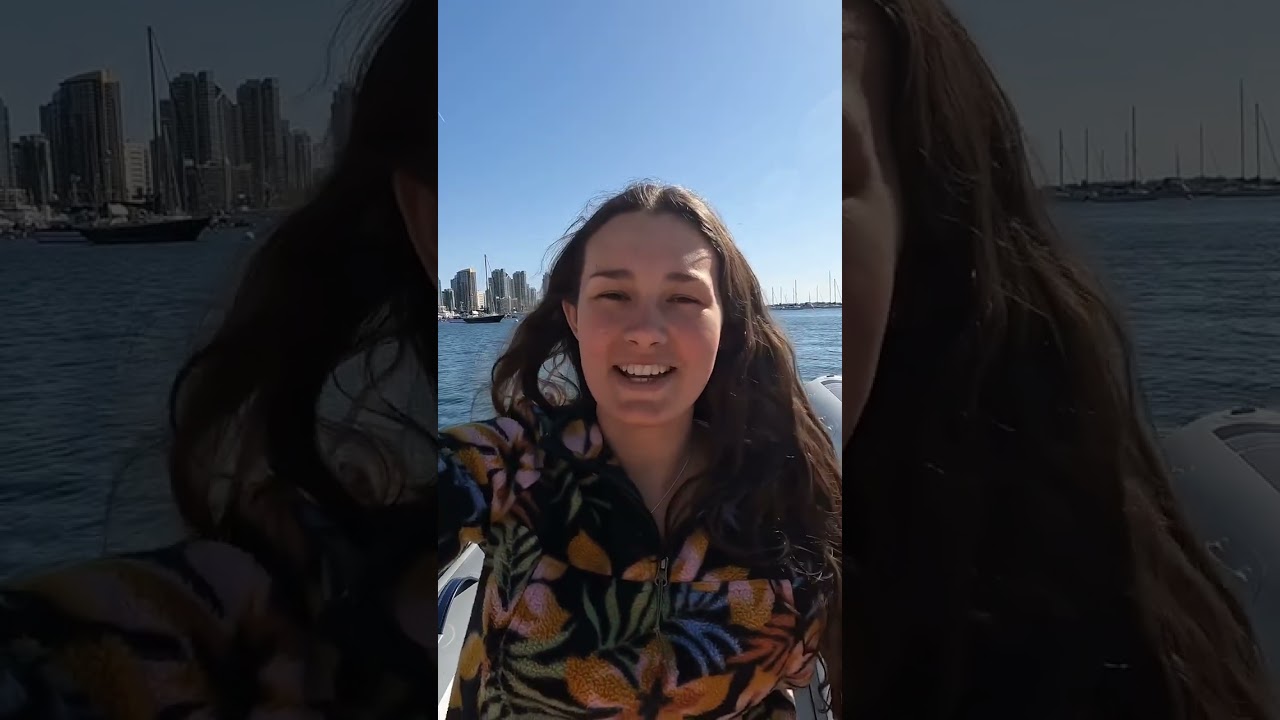
This is how we take out the trash living on our boat. Subscribe for more life on the sea!!
0
0
0
7,785

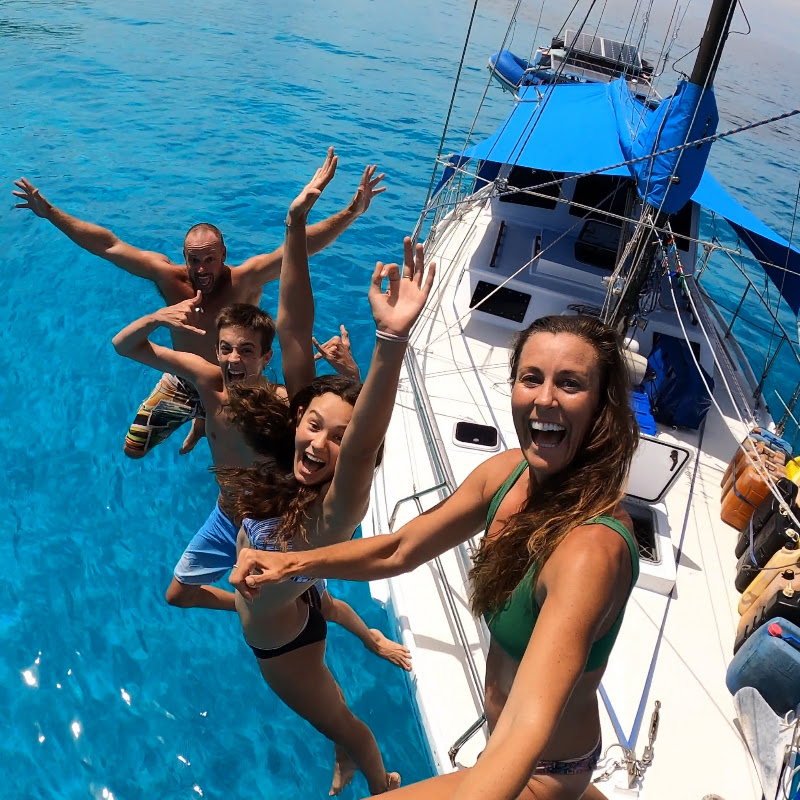
Sometimes we just have to just lay there and enjoy… @SailingGlacierGem

0
0
0
2,475

Nouvelle Chaine en Français : @danietmarv https://www.youtube.com/channel/UChdsCViFctCvZiWUxhygMeA #sailing #sailboat #bahamas #sailingfamily #digitalnomad
0
0
0
16,466

Power, precision, and performance - unleashed. The Southerly 480 is engineered to redefine what’s possible on the water. With cutting-edge features and unmatched capabilities, it’s built for those who demand more from their yacht. #SoutherlyYachts #WithoutLimits #Sailing #Sail #Yacht

0
0
0
1,737