Welcome aboard to the our video site for sailors. We are being constantly blasted by scammers and pirates, so registration is invite only
contact@sailorsahoy.com with "Invite". No spam, no newsletters. Just a free account
Korte broek Opprett

🚤 Targa 27.2 : l’espace avant en détail Un vrai lieu de vie pour partager un moment à table, mais aussi une zone dégagée et sécurisée pour une partie de pêche par exemple. Derrière cette simplicité apparente, de nombreux rangements et une organisation bien pensée. 📍 Ce Targa 27.2 est visible à Ouistreham. Contactez-nous pour plus d’informations ou pour planifier une visite. 👉 Abonnez-vous pour découvrir les autres espaces du bateau.

0
0
0
287

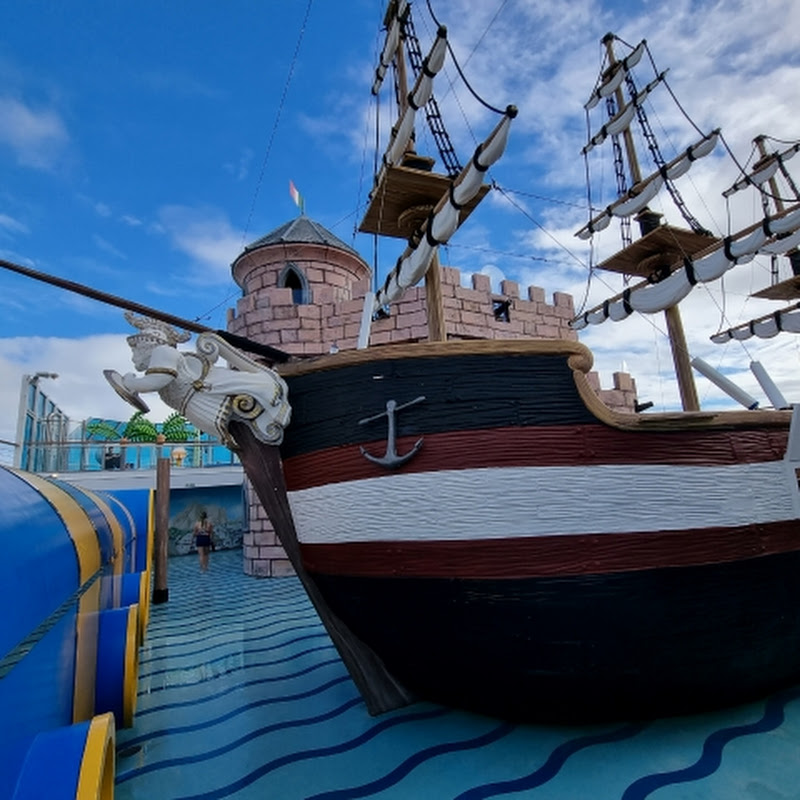
#crew #crewlife #restaurant #cruising #cruiser #ship #shiplife #ships #cruiseshiptour #cruisetravel #cruisetravellife #cruise #cruiselife #onboard #travel #explore #adventure #nature #howtotraveltheworld #roadtripdestinations #touristdestinations #solotraveldestinations #internationaltravel #vacationdestinations #bestplaces #travelbloggersonyoutube #travellingvlogs #travelwithmevlog #cruiseshiptour #costacruises #shiptour #traveltheworldinthe7seas #travellingonacruiseship #voyagetothebottomofthesea #travelvlog #travel #travelphotography #travelblogger #travelvlogger #travelgram #vlog #vlogger #youtube #travelblog #traveling #travelling #wanderlust #traveltheworld #instatravel #youtuber #adventure #traveller #explore #photography #nature #traveler #photooftheday #traveladdict #trip #vacation #travelcouple #travelgoals #travelvideo #travelstories #travelvideos #love #travellife #roadtrip #vlogging #instagood #beautifuldestinations #mountains #travelingram #travelvloggers #follow #india #tourism #youtubechannel #traveldiaries #nomadichostels #picoftheday #ilovetravel #solotraveler #mobilephotography #beach #vlogs #holiday #travelinspiration #youtubevideo #gopro #blogger #like #mobilevideography
0
0
0
446


0
0
0
247

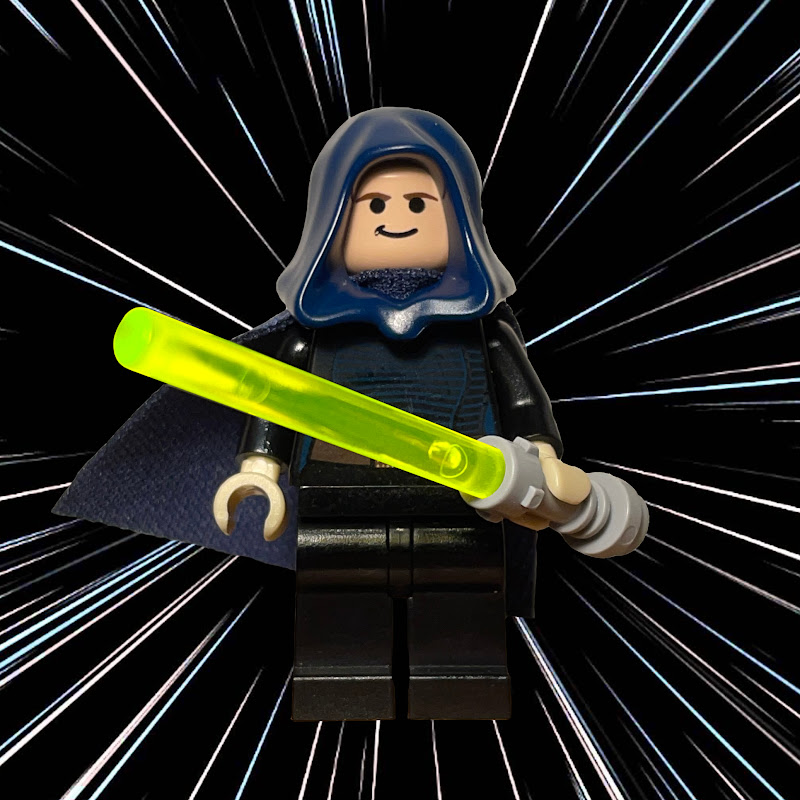
2021's LEGO Imperial Armored Marauder is small, but mighty! A great replica of the Marauder from the second season of Star Wars The Mandalorian and a pretty enjoyable build (as you can see in this speed build)! Don't forget to subscribe to the channel: http://www.youtube.com/channel/UClLxNDGqAWNOTEr35RLyeYw?sub_confirmation=1
0
0
0
46

IT'S COMING... The release of our 2024 range is on its way. Comment below which sail you are most looking forward to trying👇 Find us on our other socials: Instagram: https://www.instagram.com/loftsails/ Facebook: https://web.facebook.com/Loftsails Website: https://www.loftsails.com #loftsails #windvision #windsurfing #2024range #newtoys #shorts

0
0
0
1,142
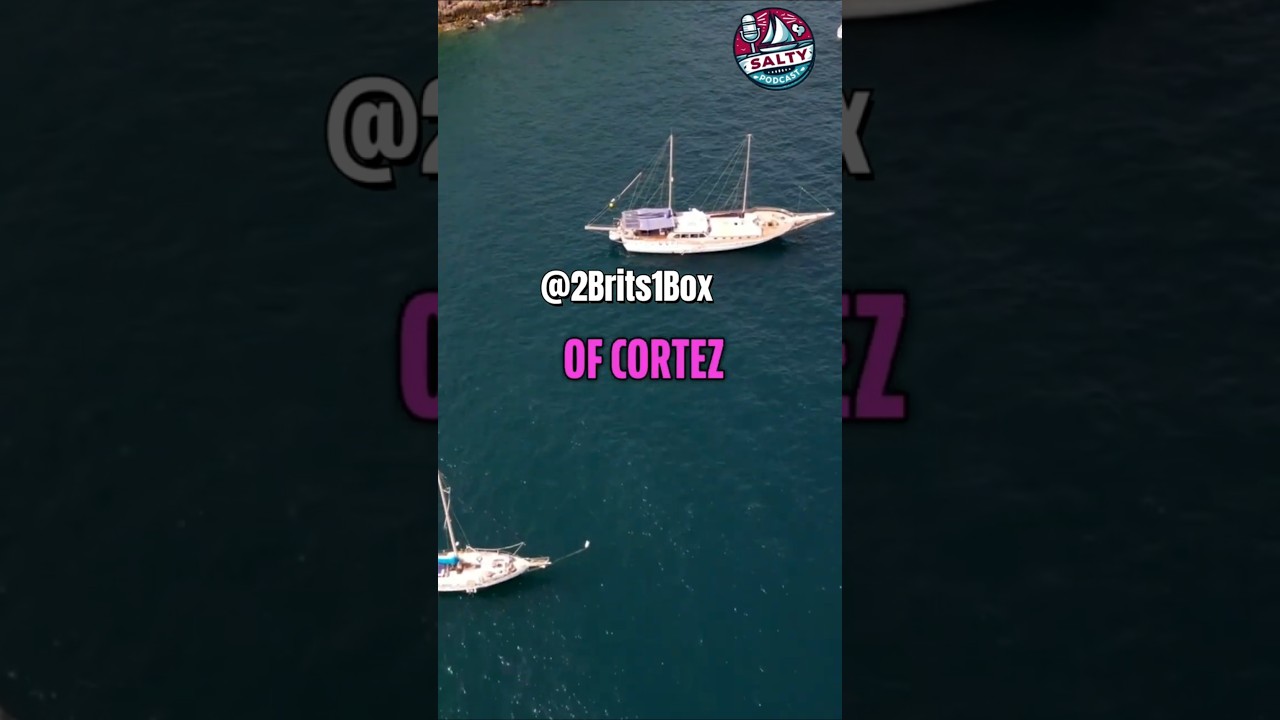
⛵ Where to next with @2Brits1Box ➡️ South to Baja 🌵 ➡️ Into the Sea of Cortez 🌊 ➡️ Then across the Pacific 🌴 Polynesia bound! 🎙️ Podlink 👉 https://saltyabandon.com/saltypodcast74 #SaltyAbandon #SaltyPodcast #Sailing #2Brits1Box #Polynesia

0
0
0
1,292