Welcome aboard to the our video site for sailors. We are being constantly blasted by scammers and pirates, so registration is invite only
contact@sailorsahoy.com with "Invite". No spam, no newsletters. Just a free account
Shorts Create

Highlights of our week at the WSL surf comp in Tahiti. Was an insane week seeing all the pro's do their thing. Full video over on our youtube channel . SV Parlay is a hurricane damaged Lagoon 450 catamaran, which Colin rebuilt with friends and has started sailing around the world. We found bulkhead damage on their catamaran in Panama, so have fixed her up, and are now sailing across the Pacific Ocean!! To join us on Patreon and get exclusive content and a chance to come sailing with us click here! https://www.patreon.com/parlayrevival To buy Parlay Revival merchandise click here!! https://parlayrevival.com/collections All music is from Epidemic sound! Sign up here and get a free months trial to see if you like it! https://www.epidemicsound.com/referral/ym5nvt Follow me on instagram for daily updates! https://www.instagram.com/parlayrevival_colin/ Facebook page: https://www.facebook.com/parlayrevival Camera we use: https://amzn.to/3vAtCfR Lens we use: https://amzn.to/3RPTxaI Microphone we use: https://amzn.to/3RYenoH Drone we use: https://amzn.to/41XXuPq Gopro we use: https://amzn.to/47CIrff Edited by https://www.instagram.com/brittanyamodeo/

0
0
0
29,924
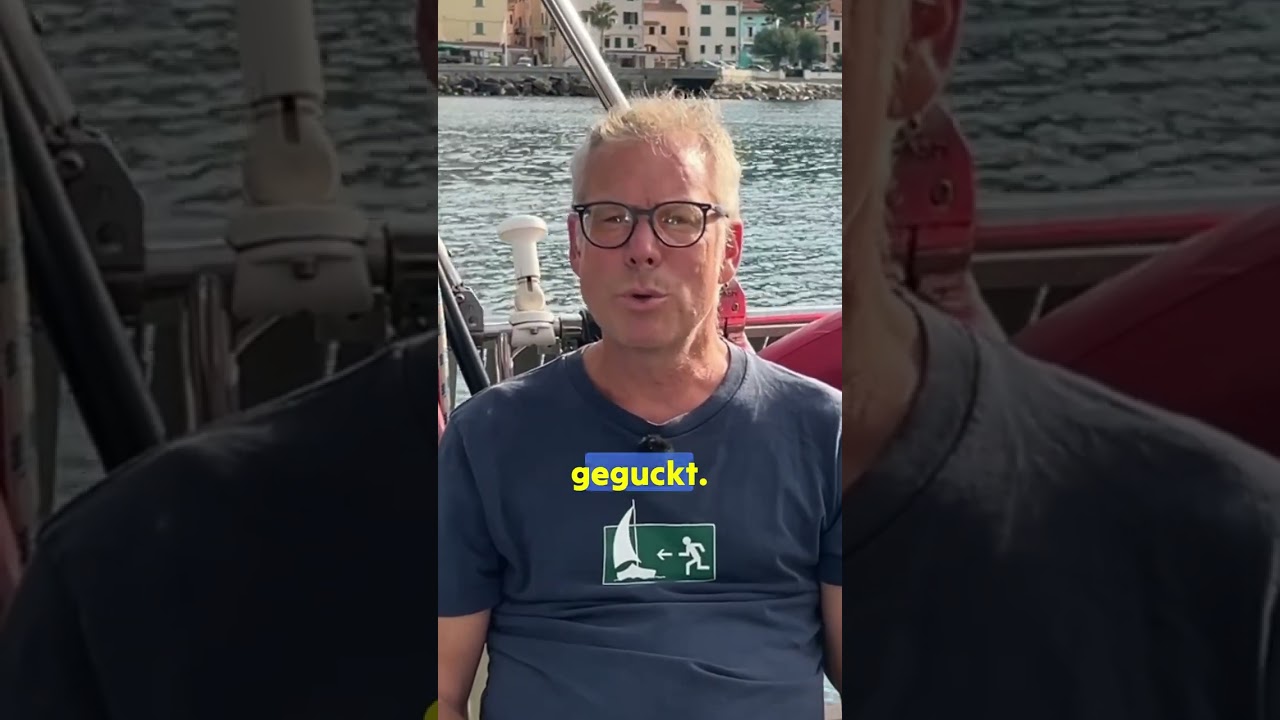
🤔 Freibrennen beim Bootsmotor: Mythos oder sinnvoll? #segeln #boot #motor Ein verbreiteter Tipp rund um den Bootsmotor wirft Fragen auf. Im Short schauen wir genauer hin – mehr dazu in „Hafenkino Technik“ auf YouTube.

0
0
0
257

0

0
0
0
7,222

0

0
0
0
244

Petit message d'encouragement de Yann Eliès pour les 6 skippers du challenge Crédit Mutuel.
0
0
0
1,317

Squall lines can quickly triple the amount of wind you’re dealing with and have the potential to do damage if you’re caught unprepared. Once the squall hits, preparation is over and it’s up to reactive seamanship skills. While your strategy should depend on many factors (your boat, sea conditions, proximity to land, etc.) here are a few things that are helpful in most circumstances: 1. Reduce sail area early. Considering dropping sails entirely depending on conditions. 2. Ensure the crew puts on proper gear such as Lifejackets, Foul weather jackets, tethers, etc. 3. Take note of where you are & where you were sailing to. Be aware of any nearby shoals or reefs. 4. Prepare for poor visibility. Turn on running lights, monitor VHF ch16, have an airhorn accessible, etc. What else would you add to this list?

0
0
0
1,702
