Welcome aboard to the our video site for sailors. We are being constantly blasted by scammers and pirates, so registration is invite only
contact@sailorsahoy.com with "Invite". No spam, no newsletters. Just a free account
Quần short Tạo ra

0
0
0
0
12

0

0
0
0
567
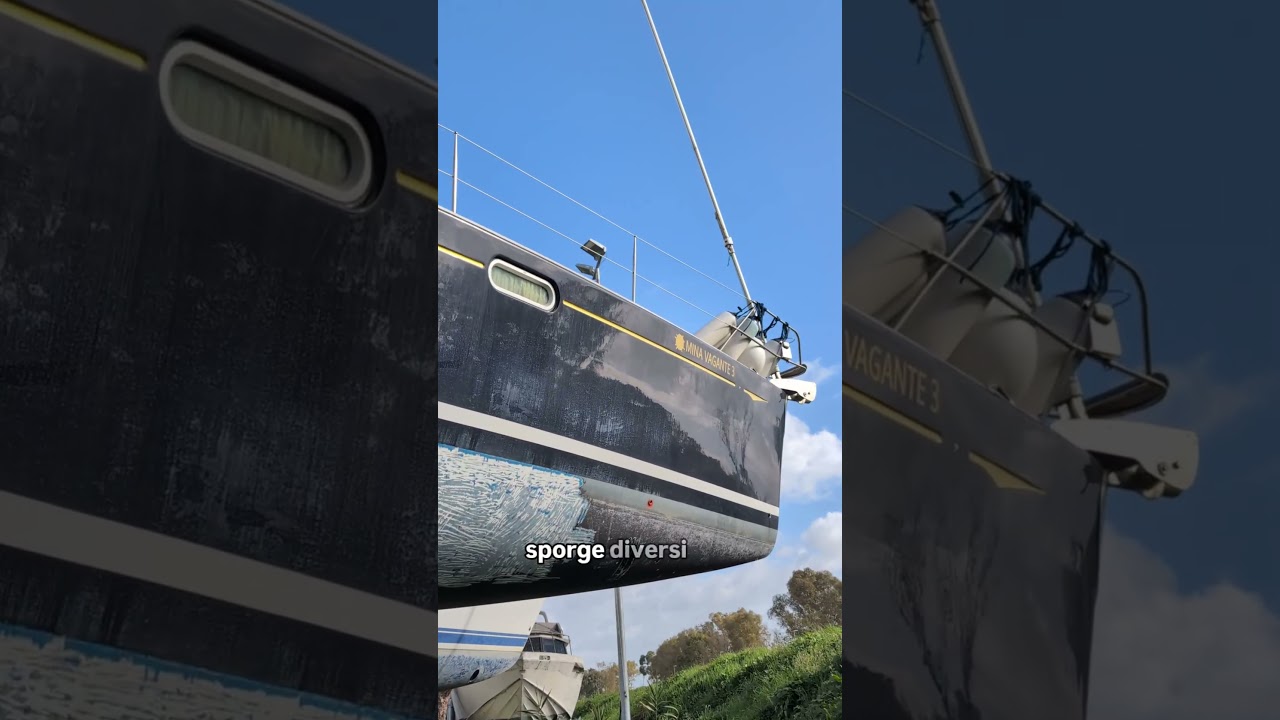
La prima cosa che abbiamo comprato dopo aver preso Mina Vagante 3 due anni fa, è stata l'ancora nuova. ⚓ Una Vulcan di 40 kg, tra le migliori sul mercato. E ogni volta che la barca è a terra sbarchiamo i 100 metri di catena per controllare che sia tutto a posto. Facciamo tanta rada e dormire tranquilli è fondamentale per godersi al 100% la vacanza 🙃 --- 🤔 Ma in inverno cosa fai? Se avessimo avuto un euro ogni volta che Andrea ha sentito questa domanda, adesso avremmo comprato sette barche. Secondo episodio della mini serie per scoprire com'è la vita di uno skipper in inverno, tra barca smontata, imprecazioni e posizioni comode 🫣 . . . #lavoriabordo #skipperininverno #barcaavela #vitainbarca #vacanzeinbarca
0
0
0
1,218

0

0
0
0
25,435

Kids love the thrill of sailing. At Aquasail Mumbai, Goa and Mandwa they enroll in the learn to sail program and pick up the skill in a few days. Adulkts can learn to sail too. Women have been taking up the sport...even learning to cruise. Try Aquasailing

0
0
0
7

0
0
0
0
1,277