Welcome aboard to the our video site for sailors. We are being constantly blasted by scammers and pirates, so registration is invite only
contact@sailorsahoy.com with "Invite". No spam, no newsletters. Just a free account
Corti Creare
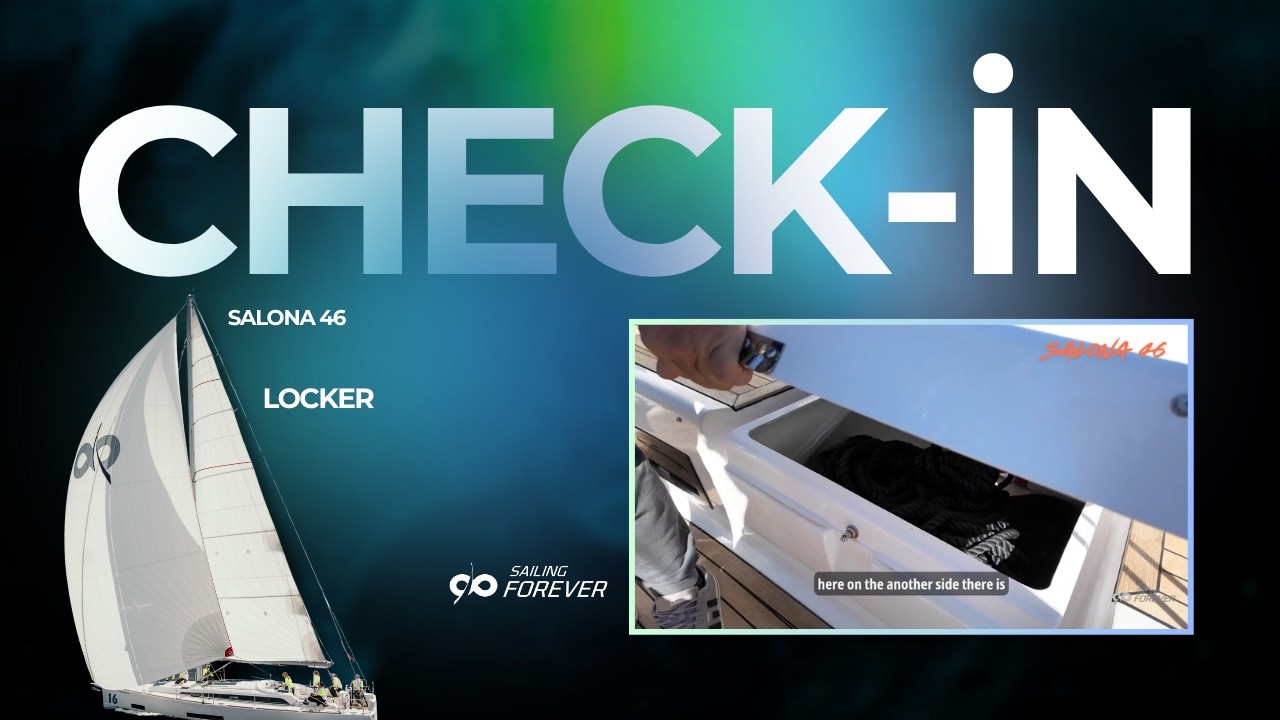
What equipment you will find in the on-board locker. Cables, hoses, tools and everything stored on the Salona 46 for safe sailing.

0
0
0
8

Przenoszę halę pod jacht. :)

0
0
0
1,097

The BLOOD ORANGE BRONX will surprise you with its complexity! Give this a try! 1½ oz gin ½ oz dry vermouth ½ oz sweet vermouth 1 oz juice of a blood orange Dash of Angostura orange bitters Add ingredients into a shaker with ice. Shake until well-chilled. Strain into a chilled coupe glass. Enjoy!! • • • #cocktail #cocktails #cocktailsathome #cocktailsofinstagram #craftcocktails #cocktailrecipe #drinkrecipe #mixology #mixologist #bronxcocktail #bloodorange #bloodorangecocktail #bloodorangebronx #gin #vermouth

0
0
0
60

Live update from Malizia on the evening of day 3! Boris explains what happened a few hours ago and why his track went off course! He’s now back on track! See more of Boris and his adventures check out the website at: www.borisherrmannracing.com or follow us on instagram or facebook at borisherrmannracing. We are still looking for more sponsors so if you are interested you can get in touch with us via the website.

0
0
0
229

Even if looks aren't the top reason for taking a look, there are plenty of good reasons why you should give it some thought.

0
0
0
211

0
0
0
0
469