Welcome aboard to the our video site for sailors. We are being constantly blasted by scammers and pirates, so registration is invite only
contact@sailorsahoy.com with "Invite". No spam, no newsletters. Just a free account
Corti Creare

** NOW SOLD ** 'Seaview', a 2013 Hanse 445, is now offered exclusively for sale with YOTI in Melbourne. Seaview is a unique opportunity to purchase a boat that is as close to new as it is possible to get. With only 20 engine hours, she has been barely used. Featuring full teak decks, bow thruster, powered winches and a superb Simrad electronics package an inspection is must. Seaview had a full service and antifoul in October 2015 and presents in stunning condition. Contact YOTI for further details or to arrange inspection in Melbourne. Jeremy Larkin 0411 059 183 http://www.yoti.com.au/listing/hanse-445-seaview
0
0
0
865

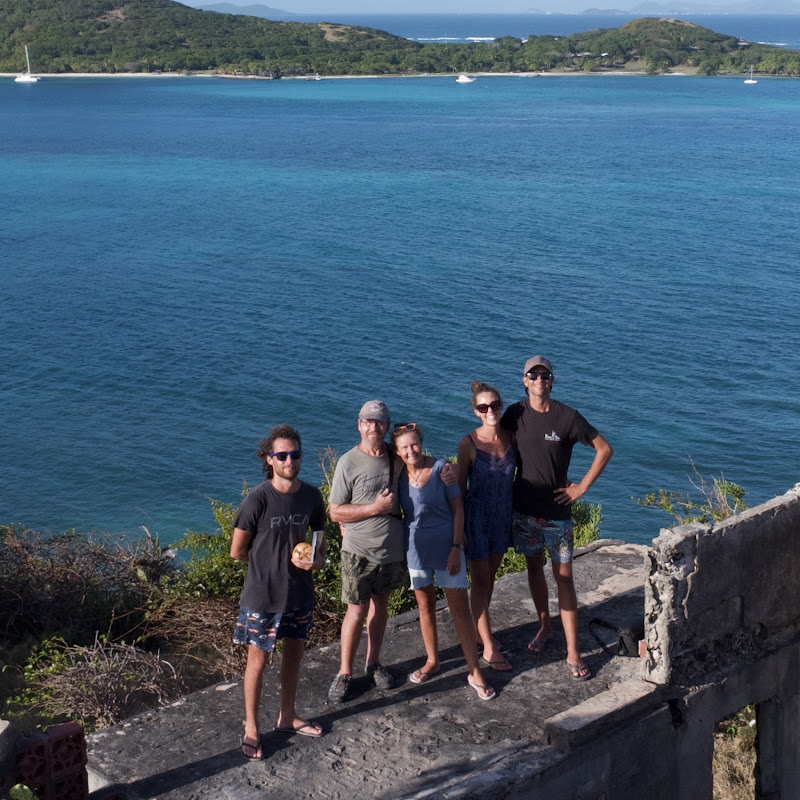
We sailed to Guadeloupe and got to snorkel at Pigeon Island in the Jacques Cousteau reserve. Our full video is up on our YouTube channel ⛵️❤️ #travel #travelvlog #travelinsoldiercodyjohnson #travelingrobert #travelsongs #travelingwilburys #travelinsoldier #traveltips #travelruby #travellingdesi #travelinsoldierdixiechicks #travellight #travellovemusic #traveltorussia #traveltrailer #travelmusic #travelblog #travelguadeloupe #travelescapes #travelwithchris #travelbeans #travelessentials #traveland #travelandtourism #travelandplaces #travelandtourismcourse #travelandfood #travelandshare #travelandleisure #travelandcore #guadeloupe #travelandtourismmanagement #travelandfun #travelandtrade #travelandknowledge #sailing #sailingchannel #caribbean
0
0
0
1,445
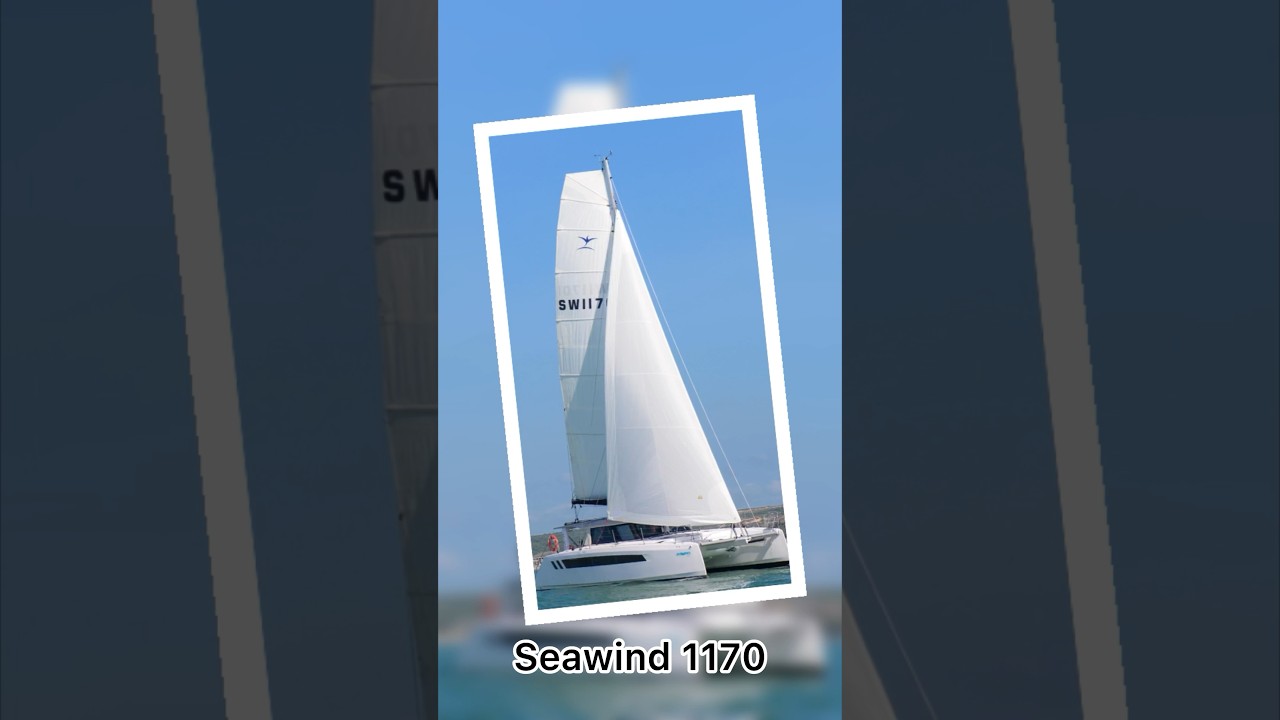
► Full test in Multihulls World N°196: https://www.multihulls-world.com/review/catamaran/seawind-1170-compact-but-built-for-the-high-seas ► Following a period of extensive testing off Vietnam, including in challenging sea conditions, the first two prototypes of the Seawind 1170 have validated the concept of the “compact ocean-going catamaran”. The challenge was to demonstrate that it is possible to break away from the sacrosanct idea of a 40-foot minimum size. The Lagoon 380 did it back in the day, so why not other models? Compared to the 1190, the 1170 offers much greater comfort - and an extra 3 tons of weight that logically comes as the cost. The deck layout features two helm stations at the after end of the hulls. The sail plan is somewhat restricted by the self-tacking jib, though this has the advantage of further simplifying maneuvers. The three-section, pivoting bay window provides excellent circulation between the cockpit and the nacelle. In the port hull, the owner’s cabin offers a beautiful queen-size double berth, set athwartships. The galley is moved to the starboard hull. The first Seawind 1170 was presented at the Annapolis Boat Show, and series production is currently underway in a new factory in Turkey - the manufacturer’s first commercial objective is to establish this new model on the European market. Read the full test in MW196. ► TECHNICAL SPECIFICATIONS Length: 39’1” (11.9 m) Beam: 21’4” (6.5 m) Draft: 3’11” (1.2m) Displacement: 20,200 lbs (9.2 t) Sail area: 910 sq ft (84.5 m²) Motors: 2 x 29 HP Fuel: 135 US gal (520 l) Water: 132 US gal (500 l) ► Become a FREE SUBSCRIBER to Multihulls World's YouTube page now - https://www.youtube.com/c/MultihullsWorld ► Log on to our website to discover over 500 multihulls tests! Subscribe to our newsletter to take advantage of our promotions and boat show invitations! https://www.multihulls-world.com/ ► Follow us on Facebook! https://m.facebook.com/MultihullsWorldMag/?locale2=fr_FR ► Discover us on Instagram! https://www.instagram.com/multihulls_world/ ► Follow our multi news on X https://twitter.com/multihullsworld?lang=fr ► Let’s talk about business https://www.linkedin.com/company/multicoques-mag-multihulls-world/ ► Like us on TikTok! https://www.tiktok.com/@multihullsworldmag #multihullsworld #yachting #multihull #catamaran #cruising #bluewatersailing #bluewater #sailing #sailcruising #youtube #tiktok #seatrial #boatreview #bluewatersailing #boat #boatlife #seawind1170 #dominicsalander #annapolisboatshows #seawindcatamarans @SeawindCatamarans

0
0
0
841

0

0
0
0
90

0
0
0
0
2,811

0
0
0
508