Welcome aboard to the our video site for sailors. We are being constantly blasted by scammers and pirates, so registration is invite only
contact@sailorsahoy.com with "Invite". No spam, no newsletters. Just a free account
Corti Creare
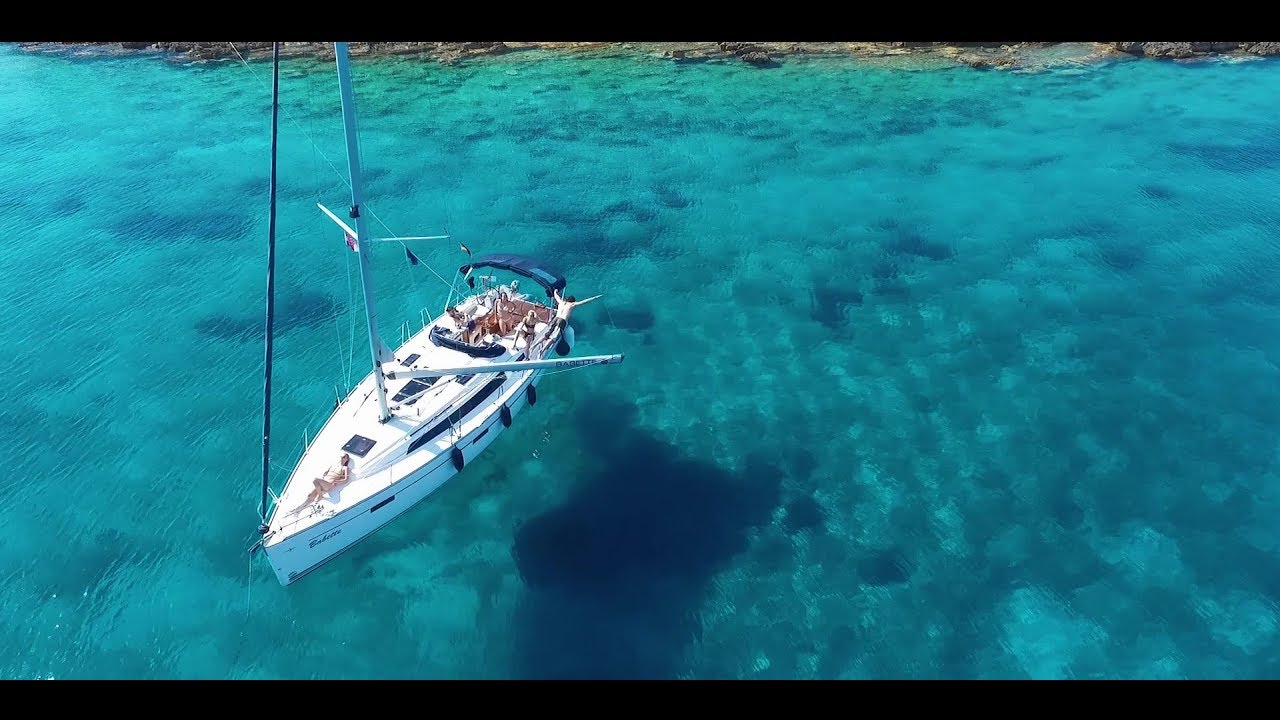
SailingEurope - ultimate experts when it comes to sailing holidays in any of world's top sailing destinations! Charter a yacht in Greece, Croatia, Italy, Spain, France, Turkey, Caribbean, Thailand, Seychelles and many more. Explore destinations: https://www.sailingeurope.com/en/yacht-charter-in Find interesting articles and sailing news on Facebook: https://business.facebook.com/SailingEurope/ Great photos and videos on Instagram: https://www.instagram.com/sailingeuropegroup/ Much more nautical related photos on Pinterest: https://www.pinterest.com/sailingeurope/ Business related news can be found on LinekdIn: https://www.linkedin.com/company/sailingeurope-group/
0
0
0
1,117

0

0
0
0
1,049

Link - scanboat.com/url/motorbaade Sælgere og købere af både mødes på Scanboat. På Scanboat er der mulighed for at søge blandt sejlbåde, motorbåde etc. fra Danmark og naturligivis hele Europa. Når du har lavet dine søgninger og er logget ind, har du mulighed for at gemme din søgning og oprette en annonceagent. God jagt på drømmebåden. PS: Bytte båd er også en mulighed på scanboat.com

0
0
0
459


0
0
0
3,765
https://www.scanboat.com/en/boat-market/boats/sailingboat-maloe-50-17544546 Sailingboat - Både sælges, Malö 50, 1976 SEK 375.000 Scanboat
0
0
0
1,575

Imagine the warm Mediterranean sun on your face, a refreshing sea breeze brushing your skin, and crystal-clear waters sparkling beneath you. Now picture yourself aboard a sleek sailboat, cruising effortlessly through Croatia’s stunning Adriatic coastline. Welcome to the ultimate sailing holiday, where you can relax, recharge, and explore some of the most beautiful islands in the world—without lifting a finger. Hiring a skipper transforms a regular sailing trip into an effortless, carefree adventure, allowing you to fully embrace the laid-back lifestyle that Croatia is famous for. But the best part? With a professional skipper at the helm, you don’t need to worry about navigating or handling the boat. You get to sit back, relax, and enjoy the beauty around you. Stress-Free Sailing with a Skipper When you book a sailing holiday with a skipper, you're not just renting a boat—you’re getting a local guide, navigator, and storyteller all in one. Your skipper takes care of everything from plotting the course to anchoring in hidden coves. They know the best spots for snorkeling, the quietest bays for a peaceful overnight stop, and the finest local restaurants for an authentic Dalmatian dinner. Their insider knowledge can turn a great holiday into an unforgettable experience. Here’s why sailing with a skipper makes all the difference: Expert Knowledge: Your skipper knows the best places to visit, even those off the beaten path. Whether it’s a secluded bay for a private swim or a charming village that’s a hidden gem, you??ll experience Croatia like a local. No Sailing Experience Needed: If you’re new to sailing or prefer not to handle the boat yourself, a skipper takes care of everything. You don’t need to worry about steering, winds, or docking—just sit back and enjoy the ride. Highlights of a Croatian Sailing Trip Here’s what your chill, stress-free sailing holiday in Croatia could look like: 1. Island Hopping With over 1,200 islands, Croatia offers endless opportunities for exploration. Start your journey in Split, sail down to the trendy island of Hvar, and experience its buzzing nightlife. Then, head to the quieter Vis, with its secret coves and untouched nature. The Blue Cave on Biševo Island is a must-see, with glowing blue waters that look almost unreal. Each island has its own flavor, from the lavender fields of Hvar to the charming stone streets of Korčula. 2. Swimming and Snorkeling in Crystal-Clear Waters The Adriatic Sea is known for its striking clarity. On a sailing trip, you can anchor in secluded bays for a swim or snorkel in waters teeming with marine life. Explore underwater caves, discover colorful coral reefs, or simply float on your back, soaking in the tranquility. You’ll be hard-pressed to find clearer, more inviting waters anywhere in Europe. 3. Sunset Dining in Secluded Bays Imagine dining alfresco on the deck of your sailboat, the sun setting over the horizon, casting a golden glow across the water. Croatia is famous for its seafood, and your skipper will likely know the best local restaurants where you can enjoy freshly caught fish, grilled to perfection. Some islands even have family-run "konobas" (traditional taverns) where you can dock and indulge in homemade dishes paired with local wines. 4. Unwind at Your Own Pace Perhaps the best part of a sailing holiday in Croatia with a skipper is the luxury of time. You can do as much or as little as you like. Spend the day exploring a vibrant coastal town like Dubrovnik or simply relax on the deck with a book and a glass of wine. There's no need to follow a strict schedule—this is your holiday, after all! Is This the Right Holiday for You? If you’re dreaming of a holiday that blends adventure with relaxation, sailing in Croatia with a skipper is the perfect choice. Whether you’re a couple looking for a romantic getaway, a group of friends seeking fun and exploration, or a family wanting to bond in beautiful surroundings, this type of holiday suits all. The best part? No sailing experience is necessary. All you need is a love for the sea, a desire to explore, and the ability to chill out while someone else takes care of the details. Final Thoughts A sailing holiday in Croatia is more than just a vacation—it’s an escape into a world where time slows down, the sea stretches endlessly before you, and each day brings a new adventure. With a professional skipper guiding your way, you’ll have the freedom to explore Croatia’s stunning islands and coastlines without a care in the world. Whether you're diving into the clearest waters you’ve ever seen, dining on fresh seafood at sunset, or simply enjoying the peace and quiet of a secluded cove, your Croatian sailing holiday will be the ultimate reset. So, what are you waiting for? Set sail, let go of the stress, and discover Croatia from the comfort of your private yacht. Trust me—you’ll never want to leave!

0
0
0
565