Welcome aboard to the our video site for sailors. We are being constantly blasted by scammers and pirates, so registration is invite only
contact@sailorsahoy.com with "Invite". No spam, no newsletters. Just a free account
Shorts Skapa

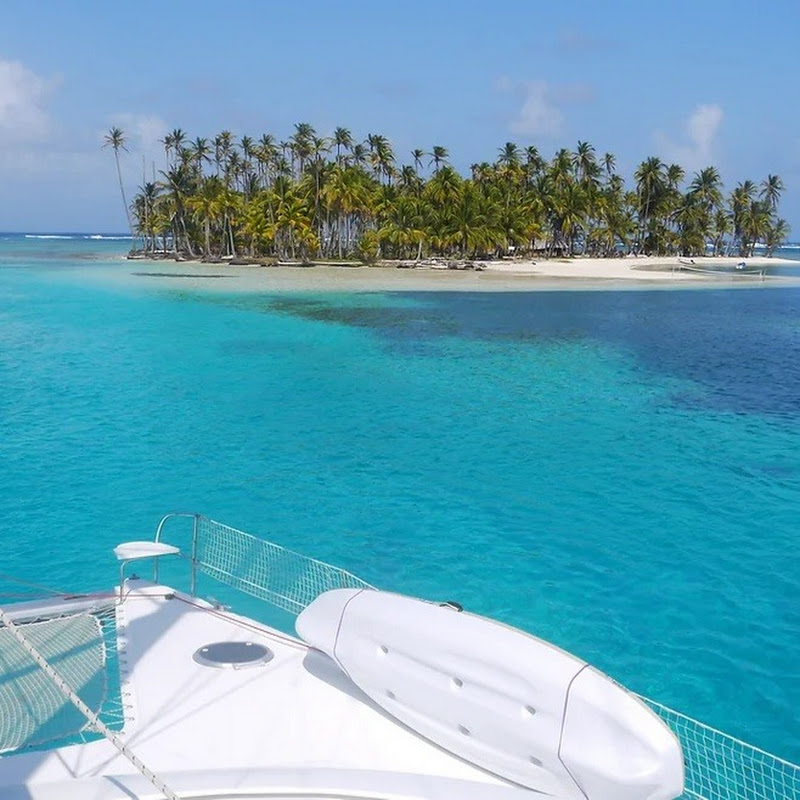
San Blas Reborn: New Islands Emerge Amidst Climate Change Hysteria The San Blas archipelago, known for its stunning beauty and cultural richness, is witnessing a profound transformation driven by both the forces of nature and the resilience of the Guna people. As climate change alters the geography of this paradise, new islands are emerging, while existing ones face the threat of submersion. This dynamic evolution highlights the Guna community’s adaptability and determination to preserve their way of life in the face of environmental challenges. San Blas: A timeless paradise where nature’s beauty and local culture blend seamlessly, following the natural cycles of life. A New Island Emerges in San Blas Off the coast of Maoqui in the Dutch Cays, a new island is gradually taking shape. What started as a mere speck of land, approximately 5 meters by 8 meters, has grown over the past decade to a remarkable 40 meters by 80 meters. This natural phenomenon of island formation in Guna Yala is not just a geological event; it carries significant cultural implications. The new island in San Blas in its early stages, very small, from 10 years ago. The new island in its early stages 10 years ago, gradually growing in size. Aerial view of emerging island in San Blas, Panama, forming in front of Maoqui island, which is visible in the background. In the Guna tradition, when a new island forms, the first family to plant coconut trees on it typically claims the right to inhabit it once it becomes fully habitable. This process is neither quick nor straightforward—it can take years for the island to reach a stable size, where it is no longer submerged during high tides. On this newly emerging island, Jose's family, our longtime deckhand of our Mambo Diablo Salina 48 catamaran and dear Guna friend, has already planted between 30 and 40 coconut trees in neat rows, staking their claim to the land. However, they must remain vigilant, as the death of these trees could jeopardize their ownership. Recently planted coconut trees by a family on Maoqui Island, who will eventually have the right to live there and utilize its resources. The Guna use coconuts and seafood for both sustenance and income. Recently planted coconut trees by a family on Maoqui Island, who will eventually have the right to live there and utilize its resources. The Guna use coconuts and seafood for both sustenance and income. The final decision on ownership, however, rests with the General Guna Congress. While the family continues to nurture their coconut trees, they must wait for the island to stabilize—a process that could take several more years. This careful stewardship reflects the Guna’s deep connection to their land and their ability to adapt to the slow but steady changes brought about by climate change. Relocating from Cartí Sugdupu: A Community in Transition While new islands are forming, other parts of San Blas face a more ominous reality. The island of Cartí Sugdupu, one of the 49 inhabited islands in the archipelago, is under threat from overcrowding. With its population exceeding 1,000 people, crammed into an area roughly the size of five football fields, the island’s future is uncertain. Despite media narratives, the relocation of Cartí's inhabitants to the mainland is primarily due to overpopulation and the severe shortage of space on the island. There is no longer any room for the younger generation seeking to establish their homes. This is the indisputable reality, rather than the alarmist headlines circulated by some outlets. Furthermore, while it is true that some islands may eventually submerge in the distant future, new islands are simultaneously emerging, reflecting the ongoing natural cycle of change in San Blas. Carti Sugdupu, San Blas. The Panamanian government has acknowledged the urgent need to relocate the residents of Cartí Sugdupu. However, both the government and the media focus on the islands' potential to sink as the reason for their actions, while the underlying reality is one of overpopulation and a severe lack of space. The island, which stands 50 cm to 1 meter above sea level, is supposedly predicted to be submerged in the coming decades. In response to this projection, the government has initiated a relocation plan, moving the community to a new mainland settlement called Nuevo Cartí, or Isber Yala ("Tree of Níspero").
0
0
0
61

The Gulf Crosser 52 is arguably one of the most recognizable boats on the market and has created an entirely new category by combining the benefits of a traditional center console boat with the protection of an enclosed boat. It's a serious fishing machine but with a level of comfort that makes the boat ideal for many other uses, too. #FLIBS2022 #boats #yacht #yachts #miniyacht #hauloverinlet #centerconsolesonly #boat

0
0
0
53,306
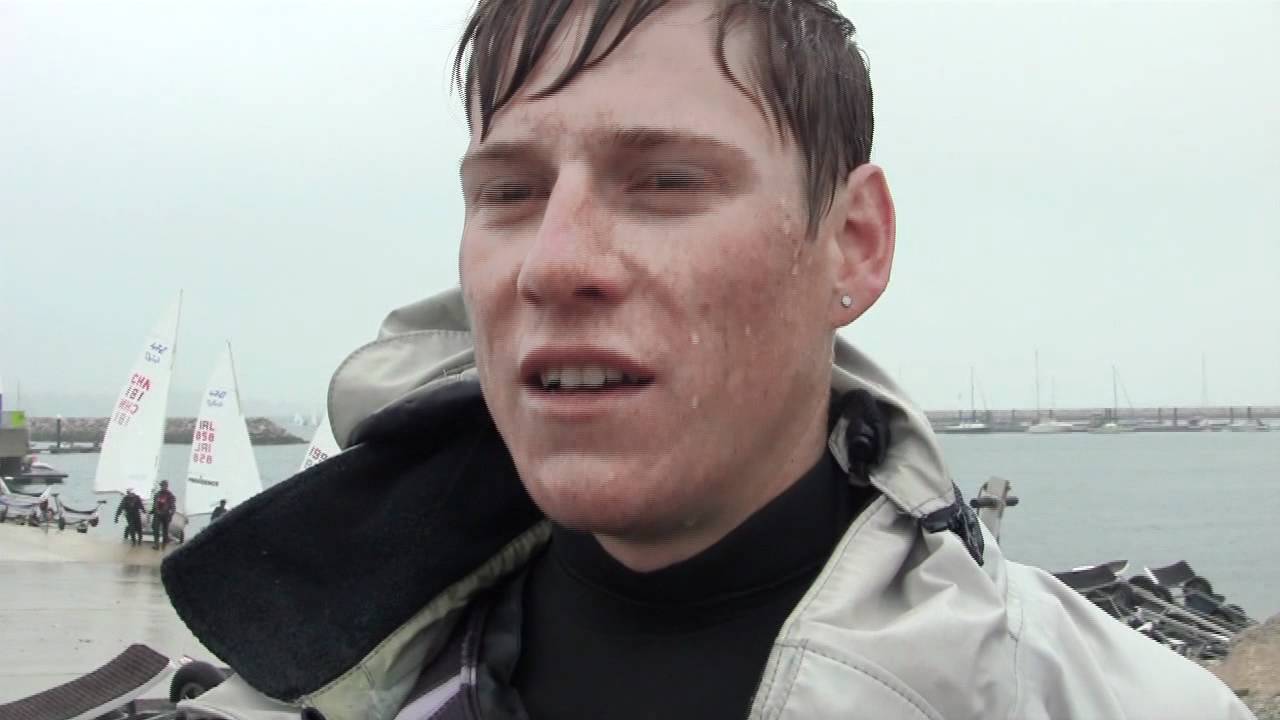
New Zealand's Paul Snow-Hansen is part of a young Kiwi team that are heading to the London 2012 Olympic Sailing Competition. But despite their youth compared to the experienced fleet Snow-Hansen, with Men's 470 crew Jason Saunders, is aiming for a podium finish.

0
0
0
594

0

0
0
0
5,624

0

0
0
0
11,059

0

0
0
0
1,079