Welcome aboard to the our video site for sailors. We are being constantly blasted by scammers and pirates, so registration is invite only
contact@sailorsahoy.com with "Invite". No spam, no newsletters. Just a free account
מִכְנָסַיִים קְצָרִים לִיצוֹר

New Episode! Feels great to be back onboard!
0
0
0
2,915
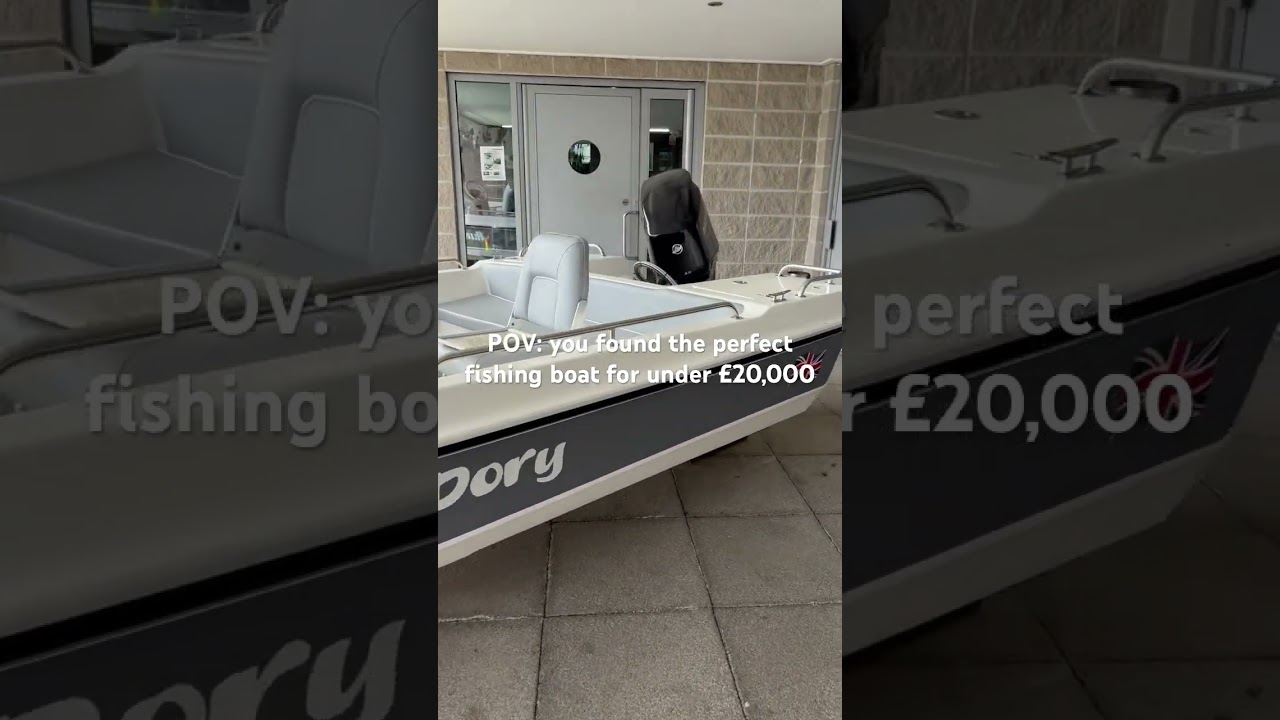
The Hunky Dory 🎣 available now KT168LG perfect for fishing days on the water #fishing #fishingboat #outboard #sportsboat #boating #riverthames #riverfishing https://www.bateswharf.co.uk/boat-for-sale/hunky/dory/2022/348072/

0
0
0
657

The ACCWing is essentially a twin-skinned sail that can be raised or lowered. It’s fully battened, can be reefed, and can change its section shape using its own internal muscles, operated by compressed air. It achieves this with ‘muscles’ fitted at various positions up the sail on the inside of the wing. The muscles consist of a braided line around flexible hoses, one on each side of the wing. When the hose contracts on one side, it pulls the sail into shape, creating a deeper camber. Having muscles in different positions up along the sail means the section shape can change with height, allowing the twist to be controlled and developing a smooth transition from top to bottom. The rotation of the masts changes the sail’s angle of attack. When it comes to sheet loads, wingsails are often light. This is thanks to the sail’s balancing effect ahead of the mast, much like the equilibrium on a spade rudder. It’s easy to imagine how this system could be totally automated to respond to wind speed and direction, both in section shape and with automated reefing. While you might turn your nose up at letting a computer and servos take over the boat, there will surely be shipping companies that’ll sit up and take note. Since the clipper ships went out of fashion, there’s never been a need for them to put muscles and sails in the same sentence. Until now. ► Become a FREE SUBSCRIBER to Yachting World's YouTube page now - https://www.youtube.com/user/yachtingworld?sub_confirmation=1 ► For the latest reviews, new gear launches and tour news, visit our website: http://www.yachtingworld.com ► Like us on Facebook here - https://www.facebook.com/yachtingworldmagazine ► Follow us on Twitter at: https://twitter.com/yachtingworld ► Feel free to comment below! ► Remember to hit that LIKE button if you enjoyed it :)

0
0
0
1,586
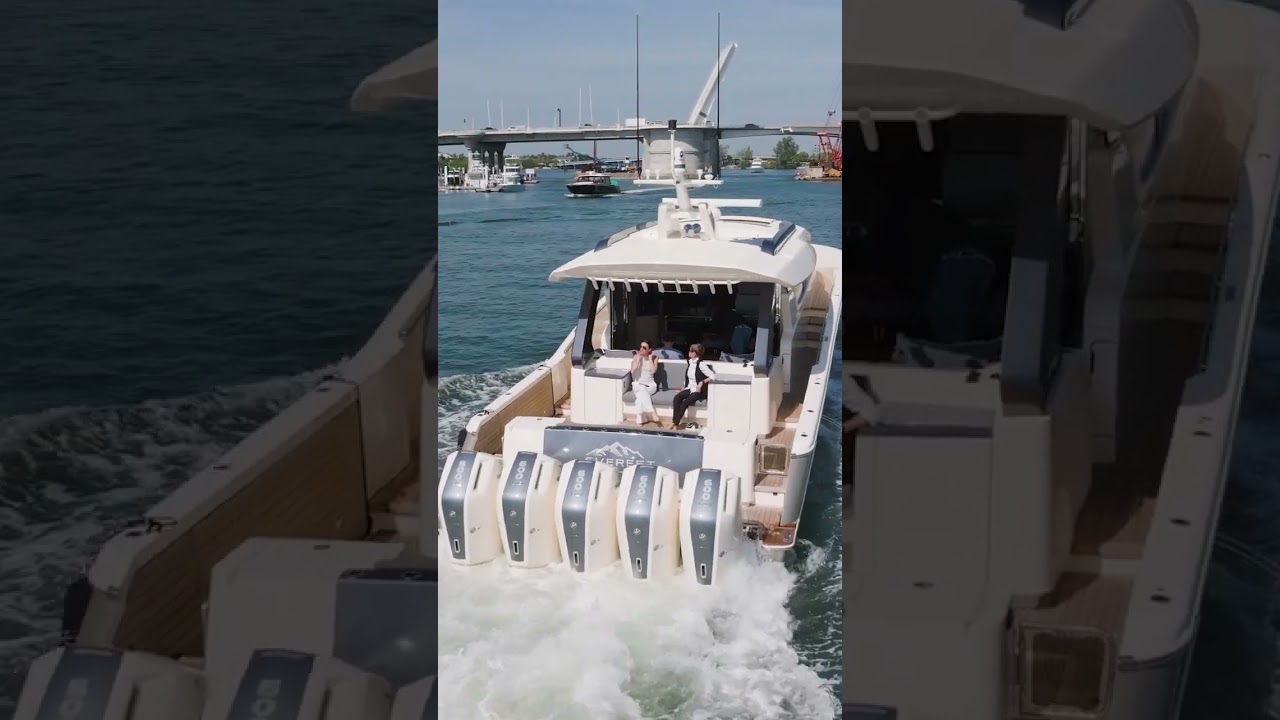
Subscribe to our boats.com channel: https://www.youtube.com/user/boatsdotcom For more boating videos, visit https://www.boats.com. boats.com features boat reviews, how-to videos, special features, and information about new boats, boats for sale, and boating products—usually with a dash of fun. Our reviewers test the features, performance, and specifications of each boat, searching out the hidden details for critical evaluation. If you're shopping for a boat, we want to help you make the best choice. And if you're just looking, we'll try to make it fun too. Subscribe to receive notification of new videos.

0
0
0
23,703

What do you do if you find a mouse in your home? 🐭😂 Apparently… prank your husband first. What started as a harmless “there’s a mouse onboard!” joke quickly turned into a reminder of why sailors take rodents so seriously. A mouse or rat onboard isn’t just annoying — it can become a real safety issue, especially when you live full-time on a boat. • They chew electrical wires which can damage navigation systems, batteries and even cause fires • They contaminate food and water supplies with droppings and urine • They can carry diseases like Hantavirus and other harmful bacteria • They destroy cushions, clothes, ropes, sail bags and insulation while building nests • They hide in tiny spaces inside the boat, making them very hard to catch • And once onboard, they multiply FAST On land this may just be a pest problem. At sea, it can become a serious one.

0
0
0
849

0

0
0
0
1,266