Welcome aboard to the our video site for sailors. We are being constantly blasted by scammers and pirates, so registration is invite only
contact@sailorsahoy.com with "Invite". No spam, no newsletters. Just a free account
Shorts Create

¿Qué es navegar a orejas de burro? Navegar con el génova y la mayor a bandas opuestas, esta forma de navegar se utiliza cuando se recibe el viento por la popa del velero. Para evitar que la vela mayor desviente el génova, hay que arriar la vela mayor o bien cambiar de banda. Consigue una Guía rápida del navegante, recíbelo gratis en tu mail. 👉 https://www.neptuno.es/guia-rapida-del-navegante/ Apúntate a nuestros cursos de perfeccionamiento de vela, domina el arte de navegar a vela. 👉 https://www.neptuno.es/perfeccionamiento-vela/

0
0
0
2,818

Atlantic Yacht Sales Nova Scotia, Canada Scott Carroll - scott@atlyachts.com Chris Power - chris@atlyachts.com Atlantic Yacht Sales sells new and pre-owned power and sail boats. No matter what type or size of boat you are looking for, let our professional team research our network and find you the best boat that fits your needs. Atlantic Yacht Sales is a member of Boating Atlantic. We can can ship your boat worldwide. If you are looking to sell your boat, whether it is power or sail, we’re not only happy to help you determine the best possible selling price for your vessel, but we can market it through our worldwide network and advertising resources. We put our industry relationships to work for you. www.atlyachts.com Atlantic Canada, Boats, Power Boats, Canada, Nova Scotia, New Brunswick, Newfoundland and Labrador, Prince Edward Island, Maine, Florida, Yacht Brokerage, Chris Power, Scott Carroll, Ben Maloney, Terry McKenna, Maritime Ship and Yacht, Halifax, Shediac, Yarmouth, Cape Breton, Charlottetown, St John
0
0
0
461
0
0
0
8

0
0
0
3,690

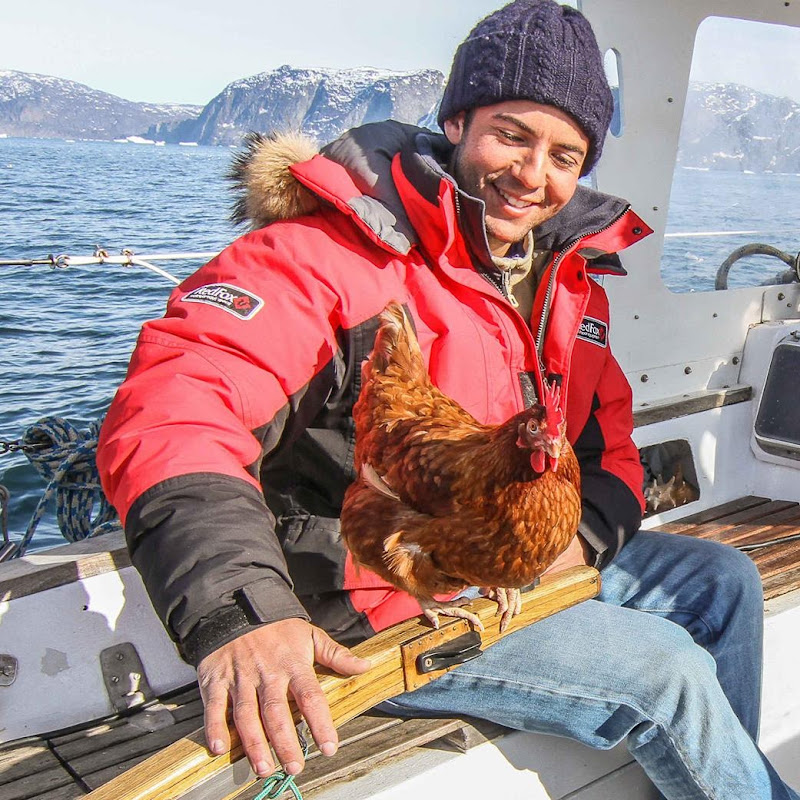
Guirec Soudée en direct du tour du monde à l'envers, en partenariat avec le groupe MACSF et Voile MACSF Freelance.com, le fonds de dotation Liamm, MGS Industries, Batisanté, Caraibe Marine, Guy Cotten, Le Chameau, SLB Pharma. crédit : team Guirec MACSF
0
0
0
1,623

► Become a FREE SUBSCRIBER to Multihulls World's YouTube page now - https://www.youtube.com/c/MultihullsWorld ► Log on to our website to discover over 500 multihulls tests! Subscribe to our newsletter to take advantage of our promotions and boat show invitations! https://www.multihulls-world.com/ ► Follow us on Facebook! https://m.facebook.com/MultihullsWorldMag/?locale2=fr_FR ► Discover us on Instagram! https://www.instagram.com/multihulls_world/ ► Follow our multi news on X - https://twitter.com/multihullsworld?lang=fr ► Let’s talk about business on Linkedin https://www.linkedin.com/company/multicoques-mag-multihulls-world/ ► Like us on TikTok! https://www.tiktok.com/@multihullsworldmag @Annapolis_BoatShows #annapololisboatshows #multicoquesmag #multihullsworld #catamaran #trimaran #gwendorning #dominiquesalandre #excesscatamarans @EXCESSCatamarans #xquisiteyachts @xquisite-yachts #nautitech @NAUTITECHCATAMARANS

0
0
0
279