Welcome aboard to the our video site for sailors. We are being constantly blasted by scammers and pirates, so registration is invite only
contact@sailorsahoy.com with "Invite". No spam, no newsletters. Just a free account
Celana pendek Membuat
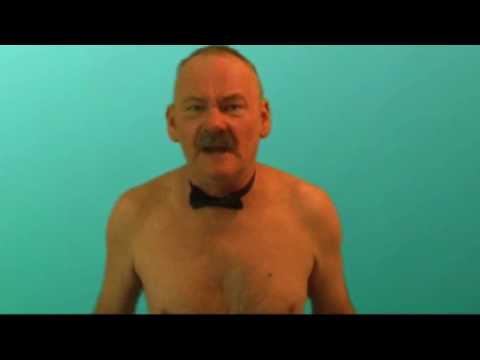
The Spanking Chritmas special 2009 will be on youtube on the 23rd Dec. Dont miss it !

0
0
0
1,043

See how effective the Quick Gyro Stabilizer is on the beautiful Assegai 44, Megumi. Reduce roll motion on your boat.

0
0
0
1,678

0
0
0
641

0
0
0
0
2,044

Give it a thumbs up if you liked this episode! Get your Sailing Into Freedom Crew T-shirt: https://teespring.com/stores/sailing-into-freedom Want more? Became our patron and get access to exclusive content. https://www.patreon.com/sailingintofreedom If you would like to support with single donations click here - https://www.paypal.me/Plukky Check out some gear we have on the boat: Inverter https://www.amazon.com/Xantrex-PROWatt-Inverter-Model-806-1220/dp/B002LGEMOQ/ref=sr_1_5_mod_primary_new?dchild=1&keywords=marine+inverter&qid=1616102481&sbo=RZvfv%2F%2FHxDF%2BO5021pAnSA%3D%3D&sr=8-5 handheld radio https://www.amazon.com/Standard-Horizon-HX210-6W-Compact/dp/B07KN6LKVG/ref=sr_1_6?dchild=1&keywords=marine+radio&qid=1616102542&sr=8-6 (As an Amazon Associate I earn from qualifying purchases and I greatly appreciate your support!) Also follow us on - Instagram: https://www.instagram.com/sailingintofreedom Facebook: https://www.facebook.com/sailingintofreedom Our website: https://www.sailingintofreedom.comGive it a thumbs up if you liked this episode! Get your Sailing Into Freedom Crew T-shirt: https://teespring.com/stores/sailing-into-freedom Want more? Became our patron and get access to exclusive content. https://www.patreon.com/sailingintofreedom If you would like to support with single donations click here - https://www.paypal.me/Plukky

0
0
0
5,883


0
0
0
35