Welcome aboard to the our video site for sailors. We are being constantly blasted by scammers and pirates, so registration is invite only
contact@sailorsahoy.com with "Invite". No spam, no newsletters. Just a free account
Calção Crio

0

0
0
0
1,517

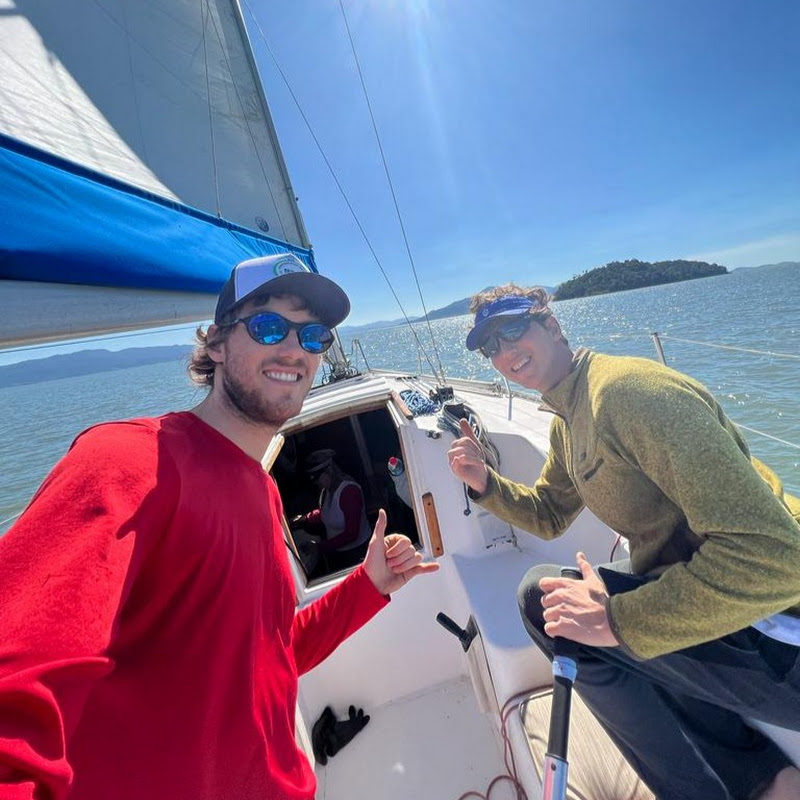
Energia Eólica num veleiro? Vela convencional: A vela convencional é a forma mais tradicional de aproveitar a energia eólica em veleiros. Consiste em um tecido resistente suspenso em um mastro que é ajustado para capturar o vento e impulsionar o barco. É uma opção simples e eficaz, amplamente utilizada em veleiros de todos os tamanhos. Vela de gênova: A vela de gênova é uma variação da vela convencional que se estende à frente do mastro, permitindo capturar mais vento em condições de vento fraco ou de vento em direções laterais ao barco. Ela aumenta a capacidade de propulsão e melhora a manobrabilidade do veleiro. Vela de estai: A vela de estai é um tipo de vela auxiliar, geralmente menor que a vela principal, instalada em um estai, uma haste vertical fixada no mastro. Ela complementa a vela principal e pode ser ajustada para otimizar a captura de vento em diferentes condições de navegação. Catavento: Um catavento é uma estrutura giratória montada no topo do mastro, com uma hélice que gira de acordo com a direção do vento. Essa rotação pode ser usada para gerar energia elétrica e alimentar sistemas a bordo, como luzes, instrumentos de navegação ou equipamentos de comunicação. Turbinas eólicas de pequena escala: Em veleiros maiores, é possível instalar turbinas eólicas de pequena escala em mastros ou torres especiais. Essas turbinas usam hélices maiores e mais eficientes para converter a energia eólica em energia elétrica. A eletricidade gerada pode ser armazenada em baterias para uso posterior ou alimentar diretamente os sistemas elétricos do veleiro.
0
0
0
2,930

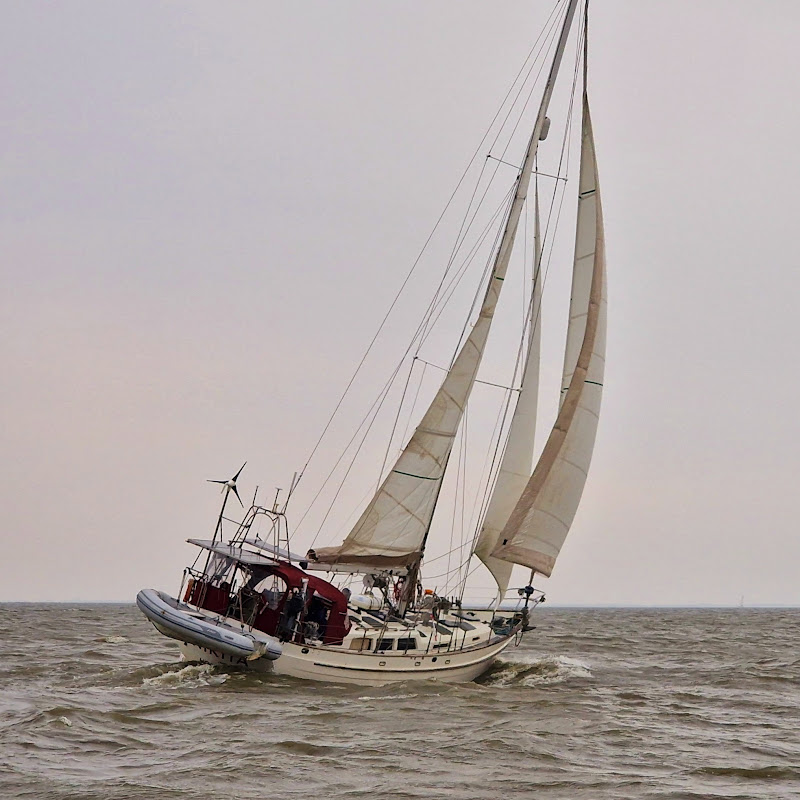
Eerste rondje Zie voor meer info om mij te volgen op Blogger: https://sailingdutch.blogspot.com/
0
0
0
81

0
0
0
0
781

It felt that our sailing season was cut short. We just took delivery of “Moments in Time” back in April and now she is already laid up for the winter. A colder than normal November and December forced us to put our Seawind 1260 into hibernation. I hope next year we will wise up and simply sail south when the November winds come a calling. Feel free to comment and let us know your thoughts. Subscribe and share the adventure! Become part of the conversation by liking https://www.facebook.com/SV.MomentsInTime/
0
0
0
597

⛵The OXO method is a simple and effective way to tie a line onto a boat cleat and is often used by boaters to secure their boats in place. Here are the steps to follow: Begin by taking the end of the line and making a small loop, with the standing part of the line on the bottom and the working end on the top. Bring the line's working end down and around the base of the cleat, making an "O" shape. Next, bring the line's working end back up and over the top of the loop, creating an "X" shape. Then, bring the line's working end down and around the base of the cleat again, creating a second "O" shape. Finally, bring the line's working end back up and over the top of the loop again, creating a second "X" shape. To finish, snug up the line by pulling on the standing part of the line and making a few half hitches around one of the horns of the cleat to keep the line securely in place. The result should be a secure and reliable knot that will keep your boat safely moored to the cleat. It is important to remember always to double-check your knots and make sure they are secure before leaving your boat unattended. #sailingexperience #sailinglife #boatlife #short
0
0
0
6,201