Welcome aboard to the our video site for sailors. We are being constantly blasted by scammers and pirates, so registration is invite only
contact@sailorsahoy.com with "Invite". No spam, no newsletters. Just a free account
Calção Crio

0

0
0
0
206

Would you change seacock valve 65cm below the water line whilst afloat?! It might not be as scary as you think. This valve body seized up (despite only being 3-4 years old) so I unscrewed it, popped in a wooden bung, bought a new one and screwed it on. The trick is to be prepared. I had all my wooden bungs on hand, covered any electrical equipment and was ready for the worst case scenario. Fortunately, because it was a fairly new fitting, it came undone relatively easily and the job was pretty straight forward 😊💦 And what’s the worst case scenario I was prepared for? The worst case scenario is the thru hull fitting itself breaking off when I attempt to unscrew the valve. What would I do about it? Just tap in one of my many wooden bungs and then arrange to get the boat lifted out! That scenario was quite unlikely but it helps to think through what could happen. What also helped me is that, from previous experimentation on another boat, we have pumps that I know could easily outrun the water coming in through that hole. An uncontrolled inflow through that fitting wouldn’t be good as it would spray seawater everywhere but it’s good to know that the pumps could cope. It’s always counter intuitive and panic inducing to see water flooding in to the boat and I know many people don’t like to pull out their paddle wheel log transducers for that very reason however staying calm and knowing that it would actually take quite a long time to sink through a 3/4” hole means it may not be as bad as you think. Always worth thinking what else could help. Whilst away, shopping for parts, I left Kate armed with cushions as well as wooden bungs as a cushion pushed hard over a hole will slow the flow enough that most bilge pumps would cope. Despite my previous experiments I was even surprised how little water we took on but the point is that, with a little thought and prep, changing a valve or pulling that paddle wheel so it doesn’t foul up needn’t be that stressful or require an expensive lift out. Luckily for me everything went super smoothly this time so no need for backup plans! It does get the heart pumping a bit when you haven’t done it for a while though! 😊💦 #followintrepidbear #sailinglife #sailing #sailor #liveaboard #sailboat #boatlife

0
0
0
678

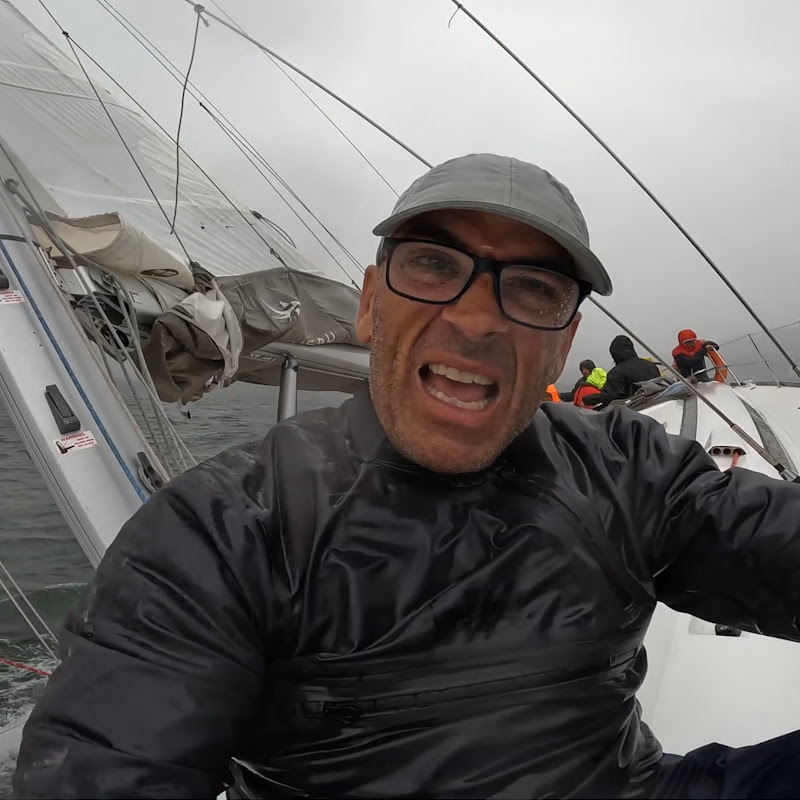
Navegar a vela, navegar a secas o simplemente estar a bordo o en la mar. No hay mejor estado para un marino, para un amante de la mar
0
0
0
992

_Check out our Latest Builds here! 👉 https://hubs.la/Q02CyRSm0 ______________________________ Eddie has upgraded. Sea Rave 2.0. The 255, dialled from the motors right through to the electronics package. Ready to start smashing marlin. See video rundowns of every boat to leave the Edencraft factory, full Edencraft TV episodes, customer reviews and more? Subscribe to our channel and never miss a video! Or visit us online: https://www.edencraft.com.au https://www.facebook.com/Edencraft.Boats https://www.instagram.com/edencraft.boats

0
0
0
336
bordare: (v.) (Conduzione) to trim the sail, to spread the sail Termine obsoleto oggi sostituito da "regolare le vele" o "cazzare/lascare le vele" bordo: (s.m.) [A]. (Terminologia) side Lato della nave (bordo di dritta e bordo di sinistra). Riferito al vento si dice bordo di sopravvento e di sottovento. Si indica in questo modo anche ciascun tratto di bordeggio che un veliero compie per risalire il vento. Si usano anche i sinonimi "lato" e "fianco". [B]. a b. (Terminologia) on board, aboard Significa sull'imbarcazione", [C]. salire a b. (Terminologia) to board Salire sull'imbarcazione. [D]. fuori (Terminologia) outboard Fuori dell'imbarcazione. [E]. virare di b. (Conduzione) to put the boat about Cambio di mura di un veliero, cioè passaggio della prua al vento (virare di prua), per prendere il vento dal bordo opposto al precedente. E' parte del bordeggio. [F]. b. libero (Terminologia) free board Nelle navi si chiama così l'altezza del ponte principale dal livello del mare, a pieno carico e alla massima immersione consentita. Nelle imbarcazioni da diporto analogamente corrisponde alla massima altezza della coperta dal livello del mare.

0
0
0
425

0

0
0
0
92