Welcome aboard to the our video site for sailors. We are being constantly blasted by scammers and pirates, so registration is invite only
contact@sailorsahoy.com with "Invite". No spam, no newsletters. Just a free account
Şort oluşturmak

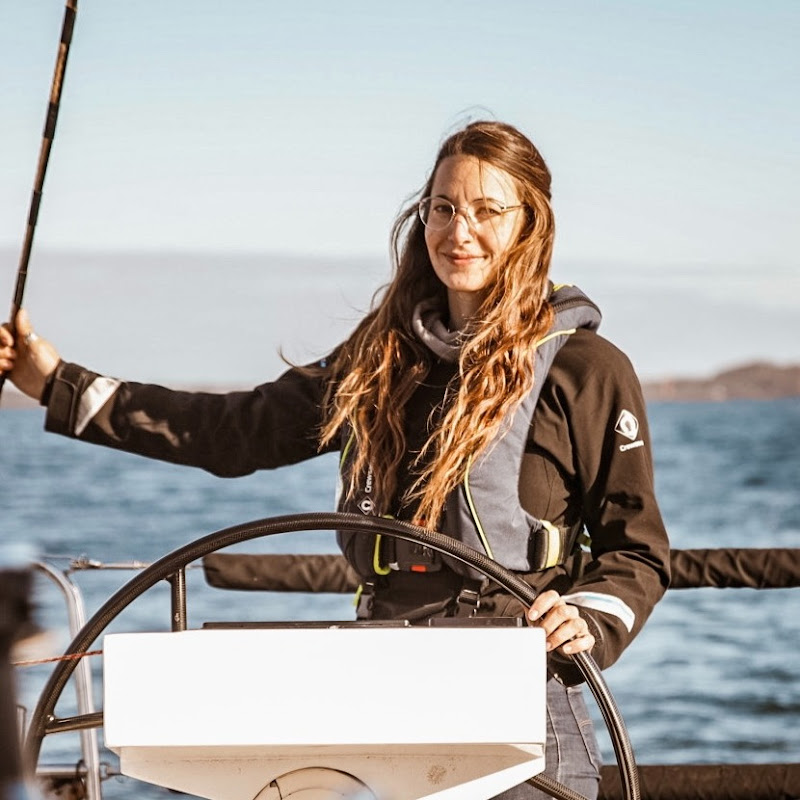
And it's another rainy day in Albany, boat work will have to wait until the weather get better!
0
0
0
37

Idag har jag försökt boka hörsel- och synkontroll för Oscar och Nils… och det visade sig inte vara helt enkelt. I Sverige går rutinkontroller via skolsköterska, men barnen har ingen skolplacering just nu. Vi tillhör fortfarande Västerås, men vårdcentralen hänvisar vidare och ingen verkar riktigt vilja ta tag i det. Och plötsligt står man där… lite mellan stolarna. Det blir så tydligt hur systemen är byggda för att man ska följa en viss väg. Och när man väljer något annat, hur fint det än är, så kommer de här utmaningarna med på köpet. Samtidigt vet jag att det löser sig. Det gör det alltid. Men jag vill också vara ärlig med att det inte alltid är så enkelt som det kanske ser ut. Vi vill leva på vårt sätt. Och ibland betyder det att man får kämpa lite extra längs vägen. Skicka en 💛 om du fattar känslan och valt att göra saker lite annorlunda.
0
0
0
182

Tommy Smith takes delivery of the New Seawind 1160 XL in Annapolis, Maryland. The first Seawind 1160 XL in the USA.

0
0
0
610

Sail to the uninhabited island of Staffa in the Inner Hebrides, near Iona, and walk into the fascinating Fingal’s Cave. This crazy rock formation looms 227 ft (69 metres) tall over the ocean and is a geometric sea cave that looks like it's been crafted by human hand rather than at of mother nature. It has been formed completely from hexagonal columns of basalt, shaped in neat six-sided pillars that make up its interior walls. Fingal’s Cave was created some 60 million years ago by the very same ancient lava flow that created the Giant’s Causeway in Ireland, which is directly across the sea. As both are made of the same basalt columns, legend holds that they were the end pieces of a huge road built by the Irish giant Fionn mac Cumhaill, so he could make it to Scotland where he was to duel with Fingal, his gigantic rival. The naturally formed arched roof creates an echo chamber the amplifies the sound of the ocean waves smashing against the rock in a melodic way. These ocean harmonies are often likened to the sounds heard resonating throughout a cathedral. It must be observed (and heard!) in-person to appreciate the uniqueness of this experience! Staffa is home to one of the Hebrides largest puffin colonies, who congregate on the cliffs and spend their days diving into the water then return with a beak full of fish. The best time to see the puffins is during the breeding season between the start of May and start of August when the birds have their distinctive colourful beaks.Other seabirds that either nest or feed from the island include gannets, guillemots, razorbills, great northern divers, fulmars and great skuas.

0
0
0
4,541


0
0
0
257

https://www.yachts.co Unit 1 Fishmarket Quay Swansea Marina SA11UP 01792 465550 Info@yachts.co

0
0
0
573