Welcome aboard to the our video site for sailors. We are being constantly blasted by scammers and pirates, so registration is invite only
contact@sailorsahoy.com with "Invite". No spam, no newsletters. Just a free account
Corti Creare


0
0
0
58

🧑⚕️ Health Coach? Join My Free Facebook Group HERE: https://www.facebook.com/groups/coachingskillsforhealthcoaches ✅ Get the self-study course today! https://www.gethealthcoachskills.com/hce-self-study/ 📱 Follow Me On Social Media: IG: https://www.instagram.com/michellehealthcoach/ FB: https://www.facebook.com/MichelleMacLeanHealthCoaching
0
0
0
12

0
0
0
0
772

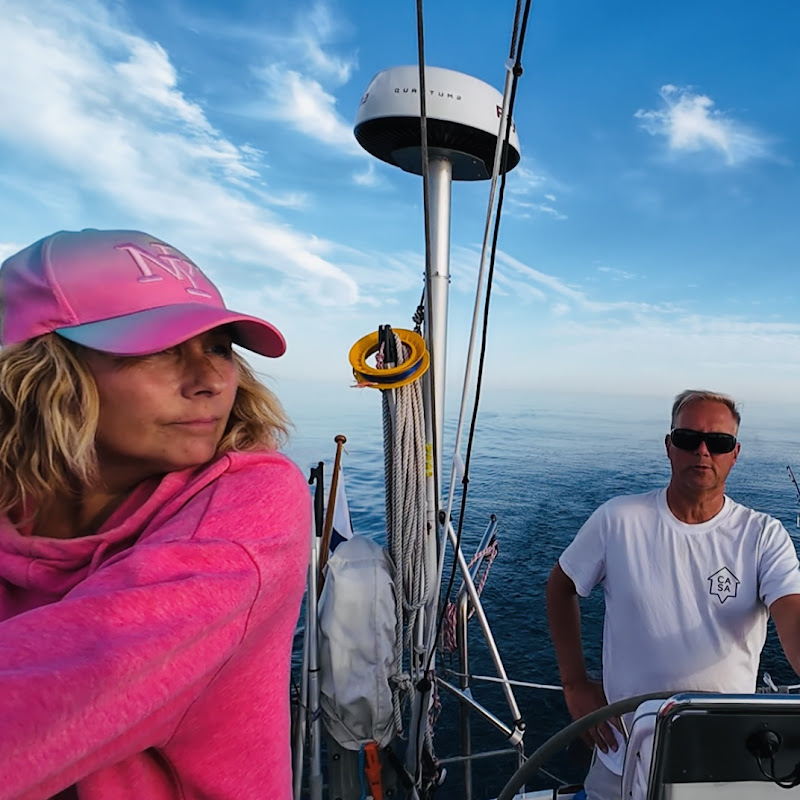
Squall lines can quickly triple the amount of wind you’re dealing with and have the potential to do damage if you’re caught unprepared. Once the squall hits, preparation is over and it’s up to reactive seamanship skills. While your strategy should depend on many factors (your boat, sea conditions, proximity to land, etc.) here are a few things that are helpful in most circumstances: 1. Reduce sail area early. Considering dropping sails entirely depending on conditions. 2. Ensure the crew puts on proper gear such as Lifejackets, Foul weather jackets, tethers, etc. 3. Take note of where you are & where you were sailing to. Be aware of any nearby shoals or reefs. 4. Prepare for poor visibility. Turn on running lights, monitor VHF ch16, have an airhorn accessible, etc. What else would you add to this list?

0
0
0
1,702

Un catamaran peut-il vraiment chavirer ? On entend souvent que c’est impossible. Un catamaran est très stable, c’est vrai. Mais stable ne veut pas dire invincible. Vent trop fort. Voile mal adaptée. Décision prise trop tard. Le chavirage reste rare… mais il n’est jamais impossible Comprendre le risque, c’est mieux naviguer.
0
0
0
273

Si ya conoces la ruta clásica.. Te animas a nuestras salidas de Ruta Sur en Maldivas??.. Mira lo que te espera!!

0
0
0
378