Welcome aboard to the our video site for sailors. We are being constantly blasted by scammers and pirates, so registration is invite only
contact@sailorsahoy.com with "Invite". No spam, no newsletters. Just a free account
Kratke hlače Stvoriti

0
0
0
0
2,665

We’re getting close to splashing our boat and taking off on our next great adventure together. Really glad that you are coming along for the wild ride.

0
0
0
129
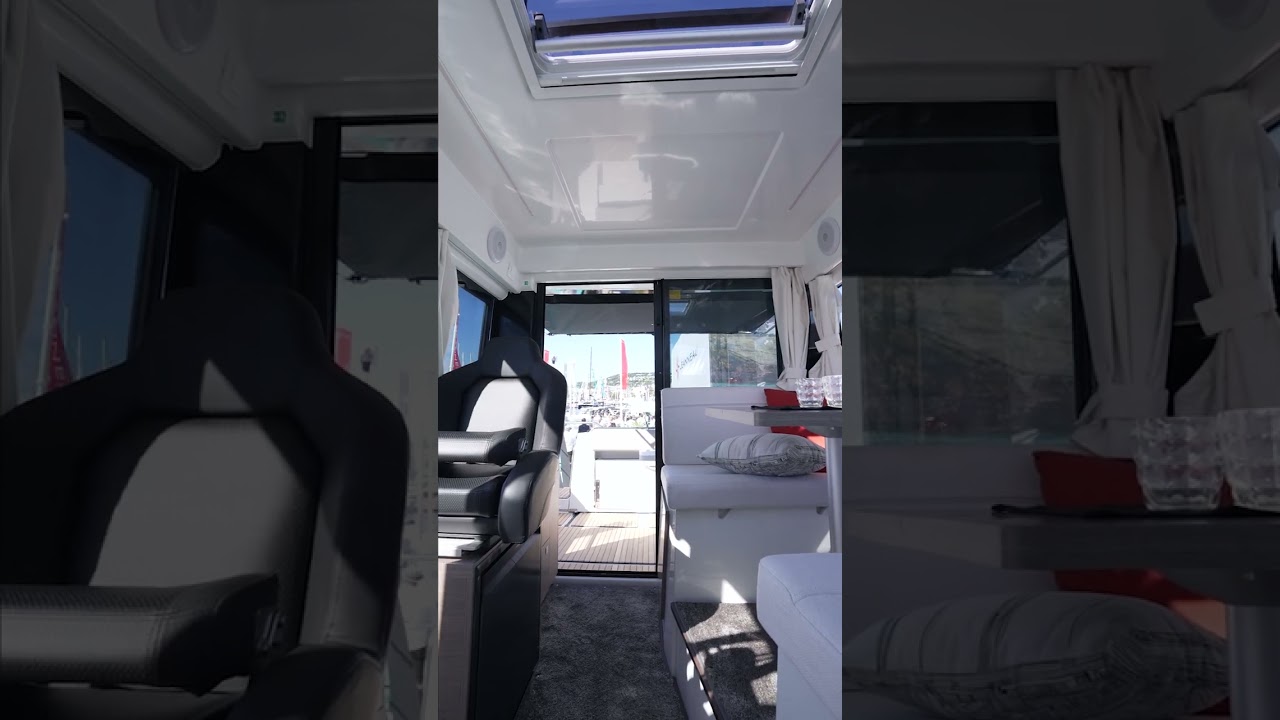
Versatile and modular, this powerboat adapts to suit to all your experiences on the water. Join us at the Cannes Yachting Festival to discover this new boat. Request your invitation to your dealer : https://tinyurl.com/bdhs5pr7 _________________________________________________________________ For more than 60 years, Jeanneau has passionately supported those who love the sea with their quest for happiness and excitement on all the oceans, with the aim of making boating accessible to all. Our strength lies in innovation and the optimal functionality of our #sail and #powerboats. From the implementation of each project, our teams work together with naval architects of global renown, who pass on their expertise and ingenious ideas. Jeanneau offers an extensive range of powerboats and sailboats. 🛥 The powerboats are the Cap Camarat, Merry Fisher, Merry Fisher Sport, NC and DB Yachts. ⛵ The sailboats are the Sun Fast, Sun Odyssey and Jeanneau Yachts. 🌊 We design boats that are in line with all your different ways of loving the sea. High-performance boats with unrivalled seakeeping. Boats with elegant lines and a timeless style. Boats for living on where the layout and comfort have been ingeniously thought out in every detail. Boats at the service of your on-the-water experiences: a shared moment of accessible, authentic pleasure. Jeanneau. Pure experience. For more news, follow us on LinkedIn (@Jeanneau), Instagram (@jeanneau_official) and Twitter (@EtsJeanneau).

0
0
0
6,463

0
0
0
19,445


0
0
0
1,936

Sailing enthusiasts, as well as those eager to explore new experiences, the Beneteau First 24 SE will be on display in Tulln from March 6 to 9. ⛵️ Easy to handle, safe, mobile, perfect for racing yet just as enjoyable for a relaxed day on the water — this outstanding vessel is a must-see during your visit. 🤞 Our team will be ready to provide all the information you need. All you have to do is 👉 register on our website for Boot Tulln. See you there and see you soon! . . . #MasterYachting #BootTulln #TullnBoatShow #WaterSports #Beneteau #Sailing #MasterYachtingGroup #YachtingWorld #BeneteatuFirst24SE #First24SE

0
0
0
421