Welcome aboard to the our video site for sailors. We are being constantly blasted by scammers and pirates, so registration is invite only
contact@sailorsahoy.com with "Invite". No spam, no newsletters. Just a free account
短裤 创造

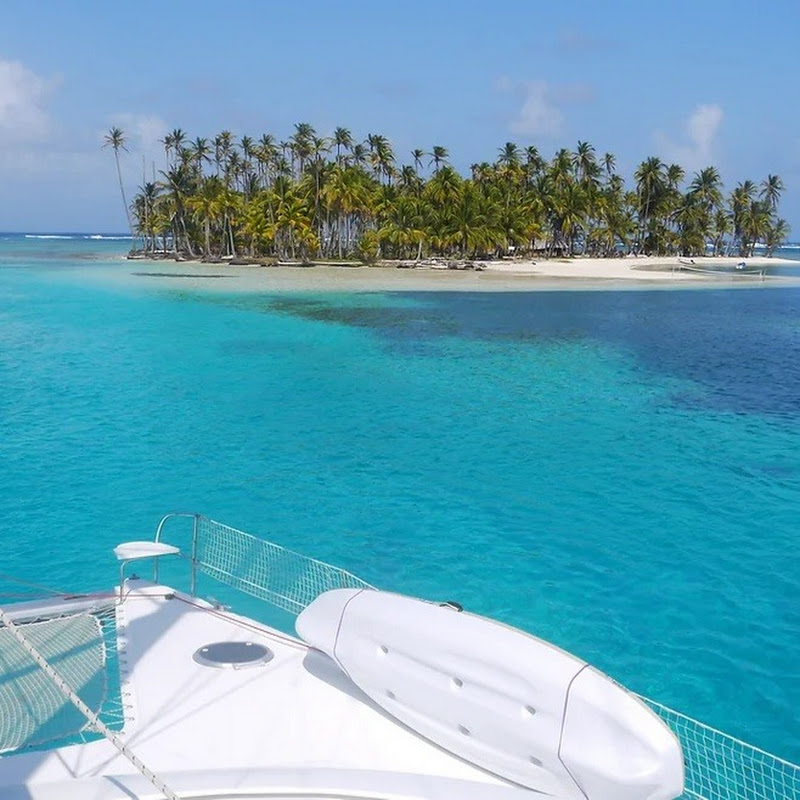
Is it Safe to Sail in the San Blas Islands? The San Blas Islands is the safest and most unique year round cruising grounds for all kinds of travelers in the world. Unlike other parts of the Caribbean, the archipelago of Guna Yala is a hazard free region thanks to the indigenous communities and their close watch on all situations. If you have traveled or sailed the Caribbean for sure you have at least had an encounter with some of the pushy locals that often show up next to the boat demanding some sort of collaboration in one way or the other. Merchandise and tours of dubious nature at unreasonable prices are offered from their colorful boats; pricey lobster and other goods are also pushed with insistence. Cordially denying any of the offers might work at times but the reality is that most of the times it just doesn’t work and if the situation is not handled correctly it quickly escalate into and uncomfortable situation. Touristic sail grounds all over the Caribbean and the rest of the world for that matter come together with that sense of uneasiness not found in parts of the world where tourism is limited and no big yacht charter agencies are found like the San Blas Islands. Throughout the years, locals indigenous have had the chance to continue developing their own approach to what a conscious and respectful with the ecosystem life should be. Having sailed the San Blas islands for years we can say that the only reason San Blas is still for the most part intact and the best Caribbean sailing destination is due to the fact that the land, the islands, cannot be sold to foreigners or any outsider not part and the indigenous community. With self determination like in the San Blas autonomous region comes the agility in any process needed to maintain order in any way and that includes security. Closed indigenous communities are excellent when it comes to dealing with any security issues. In case of any event or alert such as the approach of a local squall or culopollo-chokosana, response by not only the Guna authorities but also from all chiefs or sailahs and the whole boating community is swift. A catamaran cruise in the San Blas islands is not only completely safe but also a mind enriching experience that will stay with you for years to come.
0
0
0
34

Fun in the street Barcelona

0
0
0
149

0
0
0
0
5,214

0
0
0
0
964
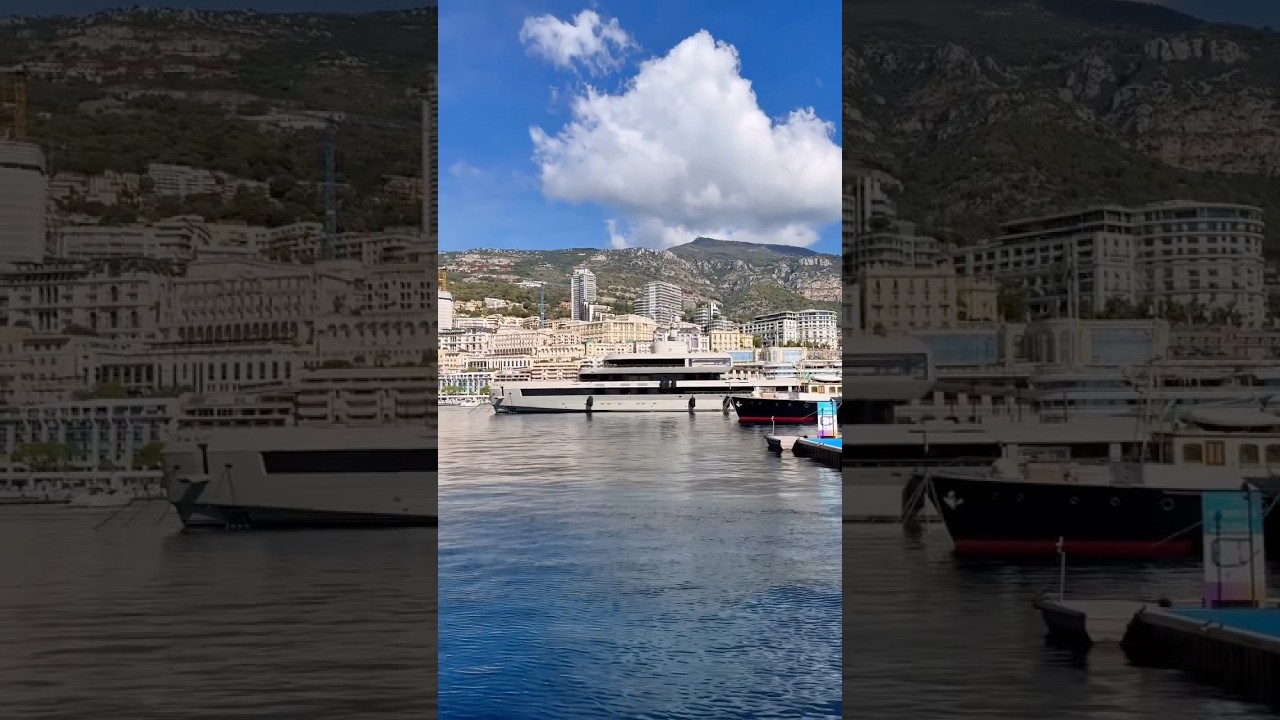
Not every yacht becomes a work of art. This 72-meter masterpiece is the first superyacht created entirely under the direction of Giorgio Armani. Italian minimalism, impeccable design, and attention to every detail. Would you like to be on board? @yachtstemple #superyacht #yacht #luxury #spinnakermagazine, #spinnakerbureau

0
0
0
436

#shorts #youtubeshorts #sailing

0
0
0
6,291