Welcome aboard to the our video site for sailors. We are being constantly blasted by scammers and pirates, so registration is invite only
contact@sailorsahoy.com with "Invite". No spam, no newsletters. Just a free account
Corti Creare

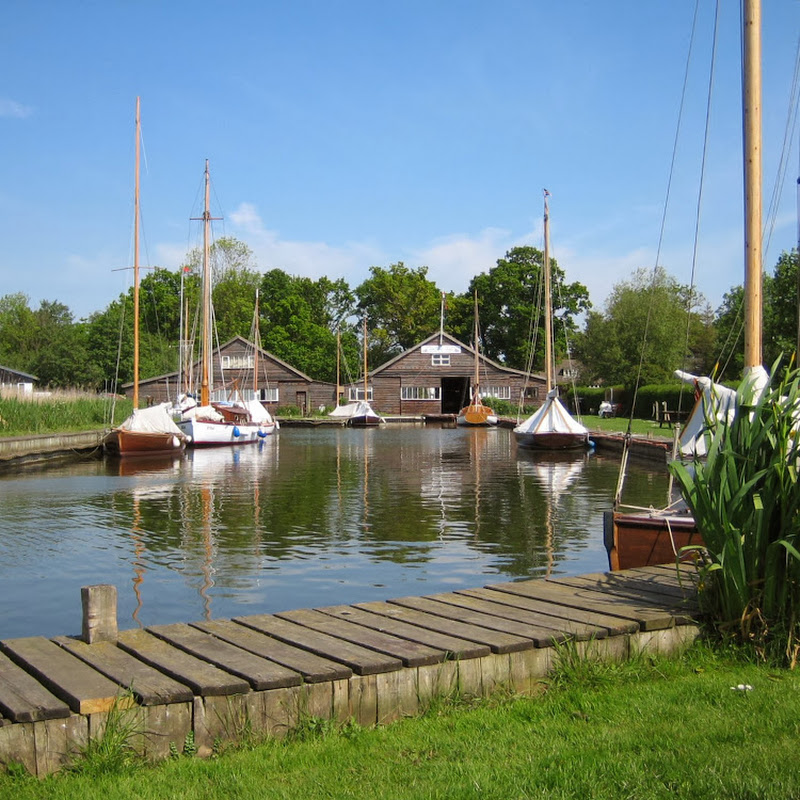
Join us in this engaging video as we sail a traditional wooden Norfolk Broads boat from Hunter's Yard, located in scenic Ludham, Norfolk, UK. This one features a two-berth yacht of the Hustler class, this one fitted with a small electric motor to help with manouvering. One of a series from Hunter's Yard, these videos =introduce you to the intricacies and idiosyncrasies of sailing traditionally rigged wooden boats. Experience the tranquility of the Broads and the joy of mastering the art of sailing amidst breathtaking scenery. Perfect for sailing enthusiasts and nature lovers alike, this video promises to be both educational and inspiring. 🔍 Did you know? The Hunter's Yard fleet incudes 14 classic cabin yachts, each with its own story and charm. These vessels are not just for show - they're available for educational use, RYA sail training courses, and public hire! Hunter's Yard is run by the Norfolk Fleet Heritage Trust a registered charity dedicated to public education, sail training & the preservation, conservation & maintenance of a unique, historic fleet of traditional Broads sailing craft, the boat sheds in which they were built & associated heritage craft skills Want to experience the Norfolk Broads on one of these historic beauties? Visit Hunter's Yard website for booking information: [www.huntersyard.co.uk] 🎬 Don't miss a moment of nautical nostalgia - like, comment, and subscribe for more videos celebrating maritime heritage and traditional sailing techniques! #norfolkbroads #ExploreTheBroads #SailingTradition #NatureLovers #norfolkbroads #woodenboats # gaffrig #gunter #rebel #historicsailing #huntersyard #whiteboat #yachting #sailintohistory #campingonwater #waterbornecamping #threeriversrace #ludham #wherry #albion #maud #MaritimeHistory #ClassicSailing #BoatLaunch #TraditionalSailing #NauticalHeritage #VintageBoats #SailingAdventures #HistoricVessels #GaffRigged #BoatRestoration #SailingTraditions #BritishWaterways
0
0
0
1,443

0
0
0
0
1,522
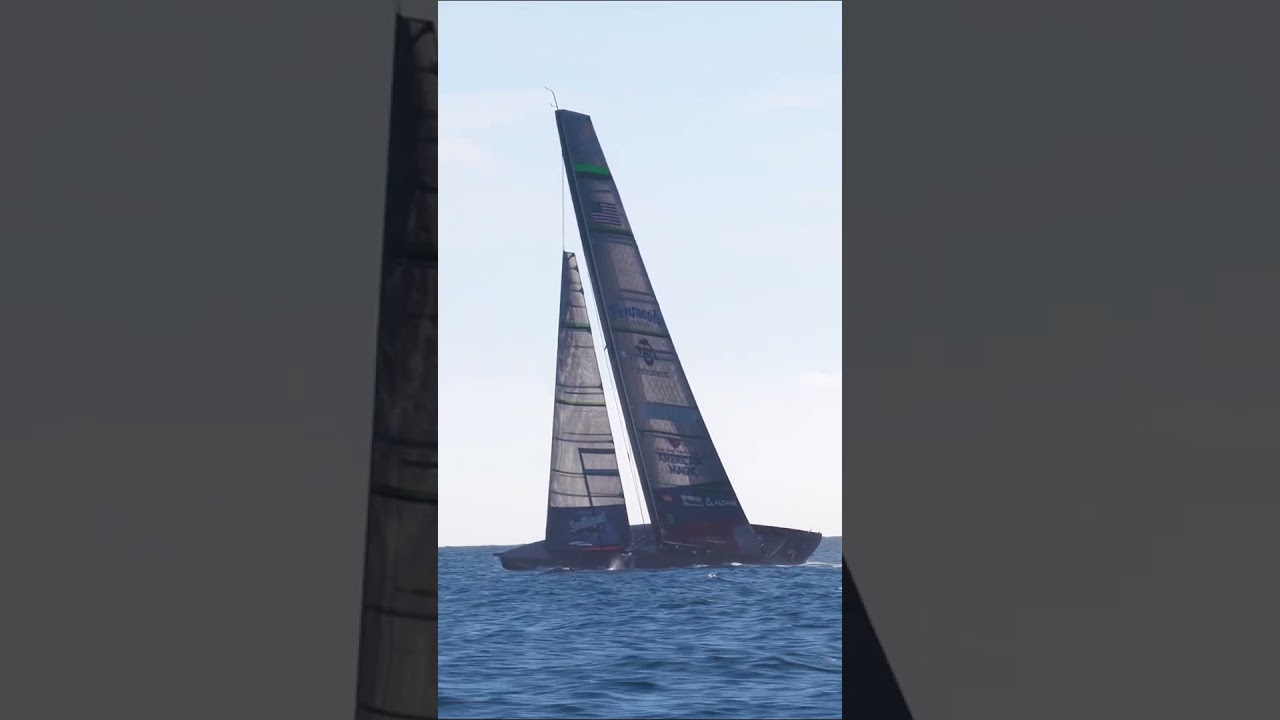
Tom Slingsby describes the splashdown that ended Paul Goodison's session early. #AC37Recon #shorts SUBSCRIBE to the official America's Cup channel: https://www.youtube.com/c/americascup Like America’s Cup On Facebook: https://www.facebook.com/americascup Follow America’s Cup On Twitter: https://www.twitter.com/americascup Follow America’s Cup On Instagram: https://www.instagram.com/americascup Stay up to date with the America’s Cup newsletter: https://www.americascup.com/en/newsletter The 37th America's Cup will be Defended in Barcelona by four-time America's Cup winner, the Royal New Zealand Yacht Squadron represented by their team, Emirates Team New Zealand. #AmericasCup #AC37 #Barcelona2024

0
0
0
11,456

0
0
0
0
197

Find out how I stay connected anywhere I sail! ⛵📶 Full podcast: https://tinyurl.com/SaltyPodcast26 SALTY ABANDON: Cap'n Tinsley, Orange Beach, AL. Oct 2020 to Present - 1998 Island Packet 320; Nov 2015-Oct 2020; 1988 Island Packet 27 Feb-Nov 2015 - 1982 Catalina 25 SALTY PODCAST is LIVE every Wed at 6pm Central: PLAYLIST: https://tinyurl.com/SaltyPodcastPlaylist LISTEN TO THE PODCAST (Audio): Apple: https://podcasts.apple.com/us/podcast/salty-podcast-sailing/id1732800578 Spotify: https://open.spotify.com/show/1qUHKGBDJSiwEZUFiF6CwO Amazon Music: https://music.amazon.com/podcasts/87d4d45b-f013-4222-8927-2efc21ac48cc/salty-podcast-sailing SUPPORT THE PODCAST: http://patreon.com/SaltyAbandon. MY PODCAST GEAR: Rodecaster Pro II Podcast Console: https://amzn.to/49nZ2o9 Shure Podcast Mic: https://amzn.to/49ndAoI Insta360Link AI Cam: https://amzn.to/49IuKNb Mic Boom: https://amzn.to/42RGb2T DJI Wireless Lav Mic: https://amzn.to/3RPqAws DJI Mini 3 Pro Drone" https://amzn.to/45WQtjI PODCAST TOOLS WANT TO CREATE A LIVESTREAM? Check out StreamYard: Https://streamyard.com/pal/d/5430067749060608 TUBE BUDDY Channel Tools: https://www.tubebuddy.com/pricing?a=SaltyAbandon BOAT GEAR: Purisan Waste Filtration System: https://amzn.to/4eLZCQ6 #SaltyAbandon #Podcast #Sailing #SailingLife #TechOnBoard #SailingAdventure #StayConnected #MarineTech #SailingVlog #OceanLife #BoatLife #SailingCommunity #TechSavvy #OffshoreSailing #DigitalNomad #starlink Salty Abandon, sailing podcast, sailing, boat tech, staying connected while sailing, marine technology, offshore connectivity, sailing vlog, ocean adventure, sailing tips, boating life, tech for sailors, open sea connectivity, digital nomad sailing, Starlink for boats

0
0
0
478

0
0
0
0
816