Welcome aboard to the our video site for sailors. We are being constantly blasted by scammers and pirates, so registration is invite only
contact@sailorsahoy.com with "Invite". No spam, no newsletters. Just a free account
Shorts Skapa

0
0
0
0
1,562

PullupsDiagnal
0
0
0
1

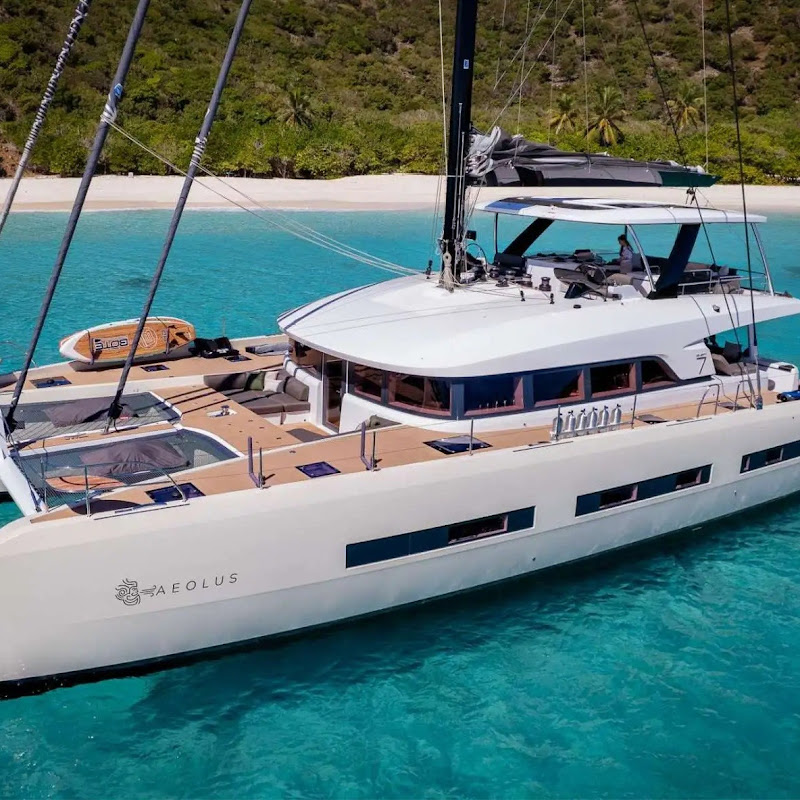
INQUIRE: https://dmayachting.com/ https://mybvicharter.com/ https://mygreekcharter.com/ https://mycroatiacharter.com https://bahamasmotoryachts.com/ https://mymallorcacharter.com/ https://mycorsicacharter.com/ https://myturkishcharter.com/ https://charterguru.com/
0
0
0
1

In today's episode traveling on Sailing AWEN, we take stock of the rest of our warranty work, enjoy incredible light wind sailing, do the fishing pot tango and deal with an unexpected disappointment! We move from Antigua to Guadeloupe as we continue our slow migration south towards Aruba. ============== 🔔Subscribe now and join us on a life-changing adventure. Don't wait - hit subscribe now! https://www.youtube.com/@SailingAWEN/?sub_confirmation=1 🔗 Stay Connected With Us. 👉Facebook: https://web.facebook.com/SailingAwen?_rdc=1&_rdr 👉Instagram: https://www.instagram.com/sailingawen/ 👉Website: https://www.sailingawen.com/ ✅ For Inquiries: Sailingawen@gmail.com 🎧COVERTCASTAWAY PODCAST anywhere you listen or stream directly at https://sailingawen.com/podcast 🎶 MUSIC by Epidemic Sound We have made the transition from full-time software professionals from the SF Bay Area to liveaboard sailing explorers who always keep one eye on the weather and our hearts in a song. Our goal is to complete a circumnavigation and we recently transitioned to a performance catamaran and are madly in love with our Outremer 52. We worked with Outremer in France (with the help of Google Translate) to launch our boat project and start our journey as sailing vagabonds. While it’s not a race or speed test, we are doing our first Bluewater crossing this year and we are excited to see AWEN stretch her legs and dance on the water. Join us as we share what we’re learning and attempt this new life of travel and adventure on the ocean. Please be patient with us as we continue to improve our YouTube vlogging skills. Our goal isn’t to make our life a movie, it’s to give back to what others have shared with us. More about us here: https://sailingawen.com/about-us ============================= ✅ Recommended Playlists 👉 FULL PASSAGE SERIES: All Together Maiden Voyage https://www.youtube.com/watch?v=BCR2uNbN4MQ&list=PLlCuYqC6mdr-Tr76hJxp4SmguTTGR_S31&pp=iAQB 👉 SEASON 2024 Bahamas & the Caribbean https://youtube.com/playlist?list=PLlCuYqC6mdr96cBPcaKTzgYs2u5I8Xz22&si=FI5GeJ8w1HcUGBpk ✅ Other Videos You Might Be Interested In Watching: 👉 Mending our Broken Heart (EP 53) #sailing #Bahamas https://youtu.be/tm8lEuFEpvo?si=qCnNPY7yMR6Vcbhz 👉 T-Boned at Anchor (EP 52) #sailing #outremer https://youtu.be/OUYQLHjPlYY?si=1JREIYGhPoyfhYej 👉 Nick of Time (EP 63) Leg 3 Day 10 #outremer52 #miami https://youtu.be/IDK_7eVxg3U?si=TNq1DibA5GEpx6Jq 👉 Galloping to the End (EP 62) Leg 3 Day 9 #atlanticcrossing #sailingpassion https://youtu.be/1g8uZlEC71Q?si=chcmESWW6tqrEsz5 ============================= ✅ About Sailing AWEN. Holly and Stephane are formerly from the San Francisco Bay Area but have a home in Tahoe. Our 'someday' plan was to sell our belongings, buy a boat, and, with reckless abandon, sail away to visit distant lands, which we did starting in 2020. You can follow our transition and journey in our candid podcast, Covert Castaway, wherever you listen. You can also follow every stop we’ve made with pictures and blogs and stream our podcast directly on our website. ================================= #sailing #guadeloupe #catamaranlife #oceanadventure #outremer #sailing #catamaran #outremer #boatlife #catamaran #travelvlog #digitalnomad #lifestyle #sailboats #stayhealthy #learning #vlog #podcast #live #motivation #travel #nomad #boattour #sailingadventure #bucketlist #adventure #nomad #retirement #adventureawaits #ocean #learning #youtubecommunity #youtubelife #vlog #youtubechannel #performance #weather #SwN&x% #antigua #scubadiving #rainforest © Sailing AWEN
0
0
0
1,875

Visit our website: https://www.seakits.com/ SUBSCRIBE to SeaKits: https://www.youtube.com/channel/UCVP6bRxZIEAPIDdq__SjF2A?sub_confirmation=1. Follow Us: https://www.facebook.com/SeaKitsDC https://www.instagram.com/seakitsdc/ https://twitter.com/SeaKitsDC https://www.linkedin.com/company/seakits/ #SeaKits #DamageControl #Boating

0
0
0
79

This is Day 2 of spending a week with 91-year-old Chiharu in my little longevity laboratory here in Buren Bay, Japan. It's only the second time we've met. The first was a few months ago when I took her sailing aboard Wahine. Today, Wahine belongs to her son Mitsu, while I remain here continuing my research into longevity and the art of community. Today's highlights included: • Sunrise Radio Taiso • Breakfast together • Mitsu catching our supper • Haiku over lunch • Snorkeling in the bay • Supper together • A mountaintop sunset • Skateboarding • High fives What strikes me isn't just that Chiharu can still do these things at 91. It's that she wants to. She approaches each part of the day with curiosity, enthusiasm, and a readiness to join in. These are only small observations from everyday life, but they continue to shape the questions I'm asking about what it really means to age well. Tomorrow... Day 3. Read more at: https://www.nevertoolateacademy.com/blog #Longevity #HealthyAging #Community #Japan #JapanSolo #AgingWell #ActiveAging
0
0
0
1,250