Welcome aboard to the our video site for sailors. We are being constantly blasted by scammers and pirates, so registration is invite only
contact@sailorsahoy.com with "Invite". No spam, no newsletters. Just a free account
Shorts Créer
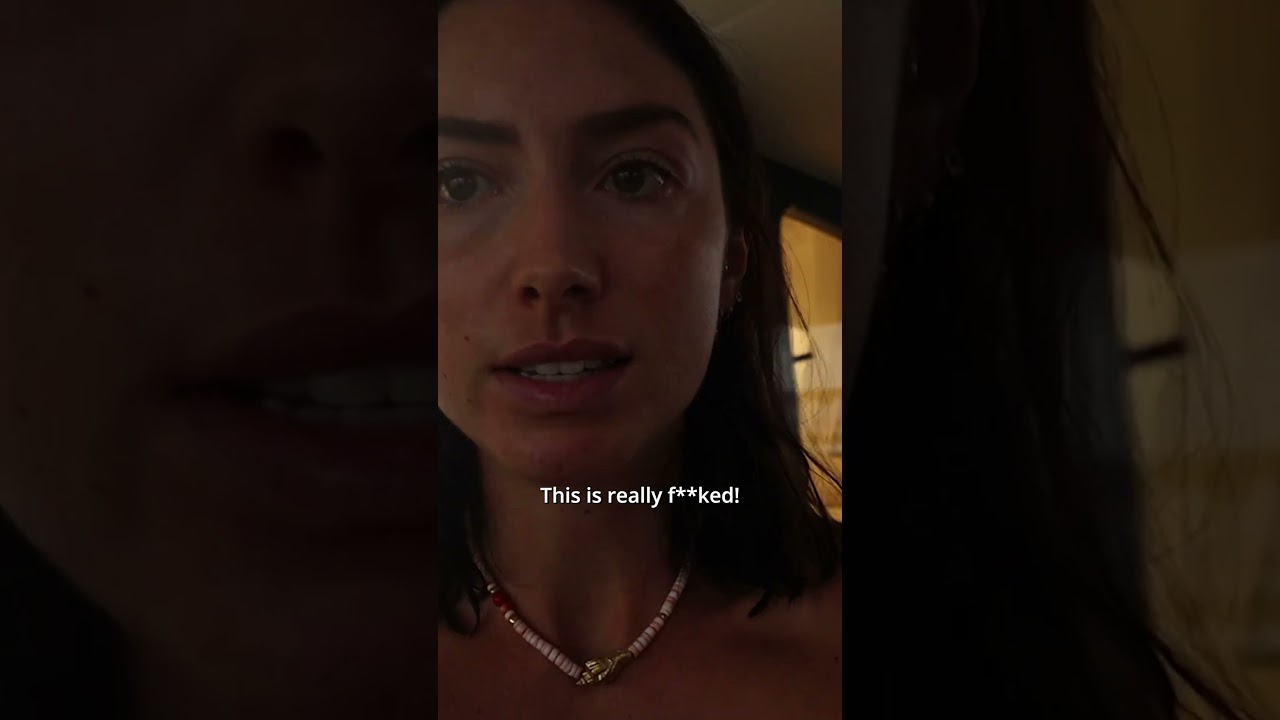
⛵ Full episode! https://www.youtube.com/watch?v=4RION-LCbxY

0
0
0
379,005

#sailingboat #sailboat #sail #tbt #sailingtouche #velejar #veleirosdobrasil #reels #ilhagrande

0
0
0
813

Uncover the secrets of the Old Olive Trees! Join us as we explore a hidden clearing, assess valuable parquet, and navigate classic horror movie tropes on a remote island. Then, we'll cautiously examine a potentially dangerous well. A thrilling journey awaits! #HorrorMovies #IslandLife #ParquetFlooring #OliveTrees #Mystery #CoupleAdventures #Suspense #Well #MovieTropes #Thriller

0
0
0
255

0
0
0
0
1,265

Petit tour d'horizon de l'anticyclone par Sébastien Josse

0
0
0
1,041

Buratta with tomatoes Purple onions, walnuts, bacon bits optional. This Yumster caught my taste buds while living Sant Carles del Rapita. This Salad is a must after a long 20 hours journey. Your taste buds will crave for more.. eat up and Keep it #cheesy #yum #hearty #vegan #quickmeal ❤⛵
0
0
0
15