Welcome aboard to the our video site for sailors. We are being constantly blasted by scammers and pirates, so registration is invite only
contact@sailorsahoy.com with "Invite". No spam, no newsletters. Just a free account
Calção Crio

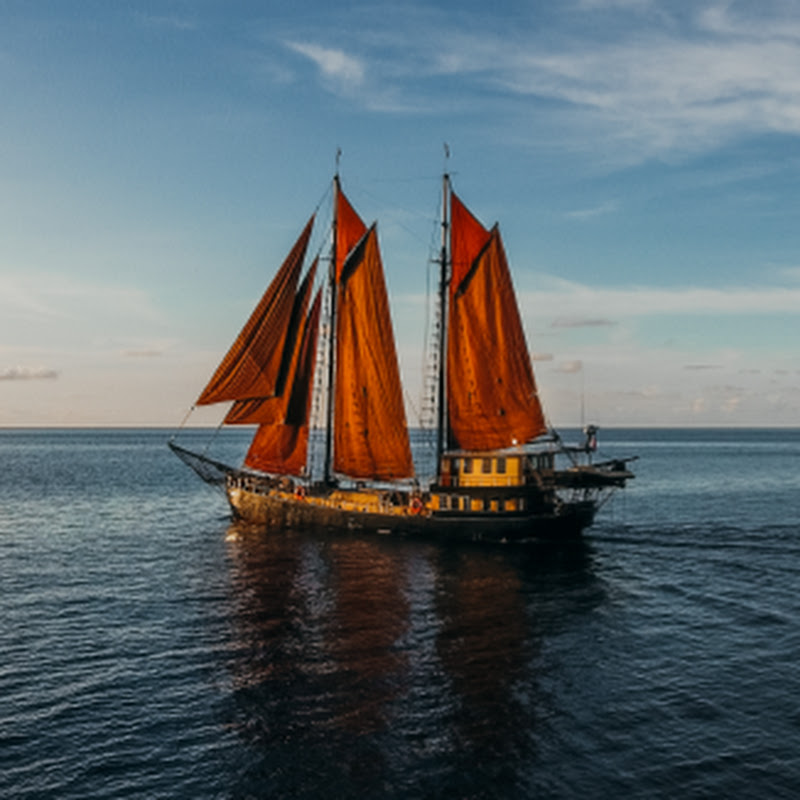
Do mantas fly in formation? These mantas look like a bomber squad coming in for landing. Filmed by Peter Fratesi at Manta Alley in Komodo National Park. For more information on mantas, check out our blog and video of the manta mating train: http://www.adelaar-cruises.com/manta-mating-train-mating-r…/ #LifeOnAdelaar #Scuba #DivingKomodo #ItsGR8UW
0
0
0
45

Die Delphia 12 Sedan steht für entspanntes Cruisen, zeitloses Design und maximalen Komfort auf dem Wasser. Großzügige Fensterflächen, ein lichtdurchfluteter Salon und durchdachte Raumlösungen schaffen ein Zuhause auf dem Wasser – ob für einen Tagesausflug oder längere Törns. Weniger Hektik. Mehr Freiheit. Entdecke, was modernes Cruising wirklich bedeutet. Delphia 12 Sedan – Escape the Ordinary. 🔗 https://masteryachting.com/yacht/delphia-12-sedan/ #Delphia #EscapeTheOrdinary #LifeOnTheWater #MotorYacht #Cruising

0
0
0
349

Studiato per velisti/e con una buona esperienza di conduzione, i corso "Be Racer " sono iter didattici innovativi, dedicati a tutti coloro che vogliono sviluppare maggiori attitudini e autonomia alla conduzione di un'imbarcazione in regata e sfruttare il regolamento di regata a proprio vantaggio.

0
0
0
93

0
0
0
1,310

We knew the storm would be bad & decided to head down to 'Rose to stay over in case there were any problems.......Jersey Met office recorded the highest windspeed at 104 mph.....

0
0
0
243

0

0
0
0
878