Welcome aboard to the our video site for sailors. We are being constantly blasted by scammers and pirates, so registration is invite only
contact@sailorsahoy.com with "Invite". No spam, no newsletters. Just a free account
Шорты создать

Experience the Cure 55, a cutting-edge performance catamaran from the visionaries at Cure Marine. This vessel isn't just about getting from A to B; it's about the exhilaration of sail. Witness its impressive speed and agility on the water, showcasing a design engineered for high-performance cruising. But speed isn't the whole story. Step inside to discover surprisingly spacious and well-appointed interiors that challenge the notion that performance requires sacrifice. The Cure 55 represents a significant step forward, potentially changing industry standards with its innovative construction techniques that blend lightweight strength with exceptional liveability. It's a high-octane sailing machine wrapped in surprising comfort.

0
0
0
1,762

Всем, кто в море - хорошей рыбалки! 🎣 Всем, кто в пути - хорошей погоды и правильного ветра! ⛵ Всем, кто работает - хорошей продуктивной недели 💰 Пусть ваш день будет таким же спокойным и красивым как этот рассвет 🙏 #доброеутро #понедельник #утронаморе #рыбалка #shorts
0
0
0
12

Why do people book a sailing experience on Britican? Watch this video and for more details visit SailingBritican.com #sailingexperience #sailinexperiences #learntosail #sailingthecaribbean
0
0
0
672

https://www.scanboat.com/en/boat-market/boats/sailingboat-maxi-909-17534732 Sailingboat - Både sælges, Maxi 909, 1988 DKK 240.000 Scanboat

0
0
0
515
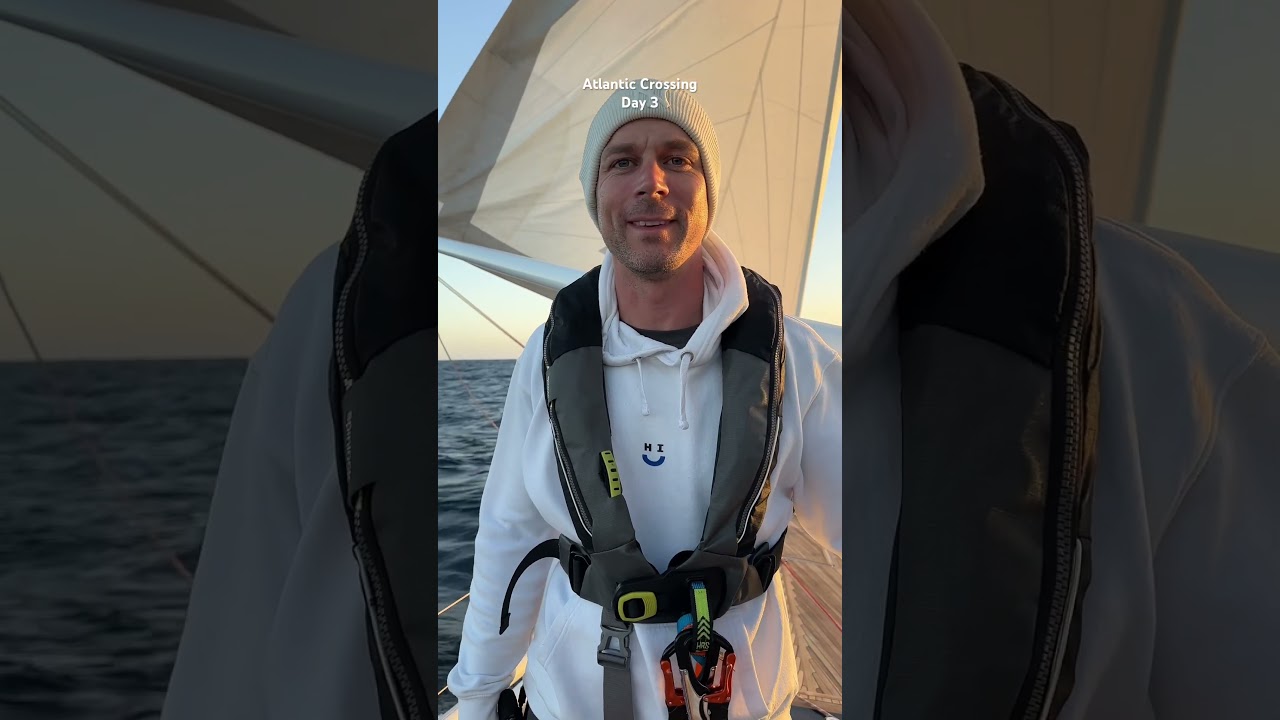
🌊 Last night, the wind picked up and shifted direction, so we switched to a wing-on-wing setup—but then snap—our first pole broke! Luckily, we have a second one, and since then, we’ve been making great progress at around 7.5 knots in 20-30 knots of wind. The best part? Dolphins every single day! And thanks to Frankie’s amazing cooking, we’re eating well too. The crew is getting used to the shifts and the confused seas—spirits are high out here! #sailing #oceanlife #adventure #atlanticcrossing #atlantic
0
0
0
6,573

AIS is crucial for sailors, especially with fishing fleets. Tracking helps prepare for potential encounters, like sailing from New Zealand to Fiji. Knowing what's out there is key for safety. #AIS #Sailing #Navigation #FishingFleets #PredictWind
0
0
0
8