Welcome aboard to the our video site for sailors. We are being constantly blasted by scammers and pirates, so registration is invite only
contact@sailorsahoy.com with "Invite". No spam, no newsletters. Just a free account
Shorts Create

We got increasingly frustrated by our small petrol (gas) outboards that we use very infrequently on our dinghies and Chat 18 catamaran. Never quite knowing whether they would start, or how long they would run. Usually because the small jets would clog up, a problem aggravated by the ethanol fuel now used in the UK, USA and elsewhere. So earlier this year we bit the bullet and bought a used Torqeedo 1103 electric outboard. It was on ebay, from "one careful lady owner" - actually the advert said "only used on a fresh water trout farm" which we hoped was much the same thing. And we have been very pleased with it this summer, using it on Sagitta's tender, sometimes for long distances, yet never seeing the charge drop below 80% So we then tried using it on our Chat 18. And immediately discovered two problems, probably common to other small daysailing boats. First, the battery was much larger than the integral petrol fuel tank. So, when tilted up on the swingdown bracket, the Torqeedo hit the tillerbar. That meant we had to use the transom mount, which in turn meant the leg had to be angled back in use to clear the immersed rudder blade. Very inefficient and too close to the surface. And second, when tilted up and turned sideways the tiller control arm would detach - something that doesn't happen with a petrol outboard. So we had to remove it, and then reattach it whenever we wanted to motor. Fortunately Torqeedo has realised that many people have these problems and so supply reasonably priced, extra long cables, not just for the battery but also for the tiller arm. Accordingly we bought a 1.5m (5ft) battery cable and a 5m (16ft) tiller cable. This video shows the results of the first motor, one calm winter evening. I still have to re-route the cables through the back of the cockpit and more permanently mount the tiller arm. The deeper propellor is more efficient and there is no aeration when cornering or in waves. Top speed was very close to 5 knots, about hull speed on an 18ft boat. In reverse speed was about 3 knots. Although it's more awkward to lift the outboard leg without the battery in place it does now fit comfortably below the tillerbar when raised for sailing. So we're very happy so far! For once there is audio on this short video. But even if you turn the volume to high you won't hear the outboard - another bonus! More on the Chat 18 here https://sailingcatamarans.com/index.php/designs-2/2-catamarans-under-25ft/475-chat-18-daysailing-catamaran And Torqeedo here https://nestawayboats.com/

0
0
0
34
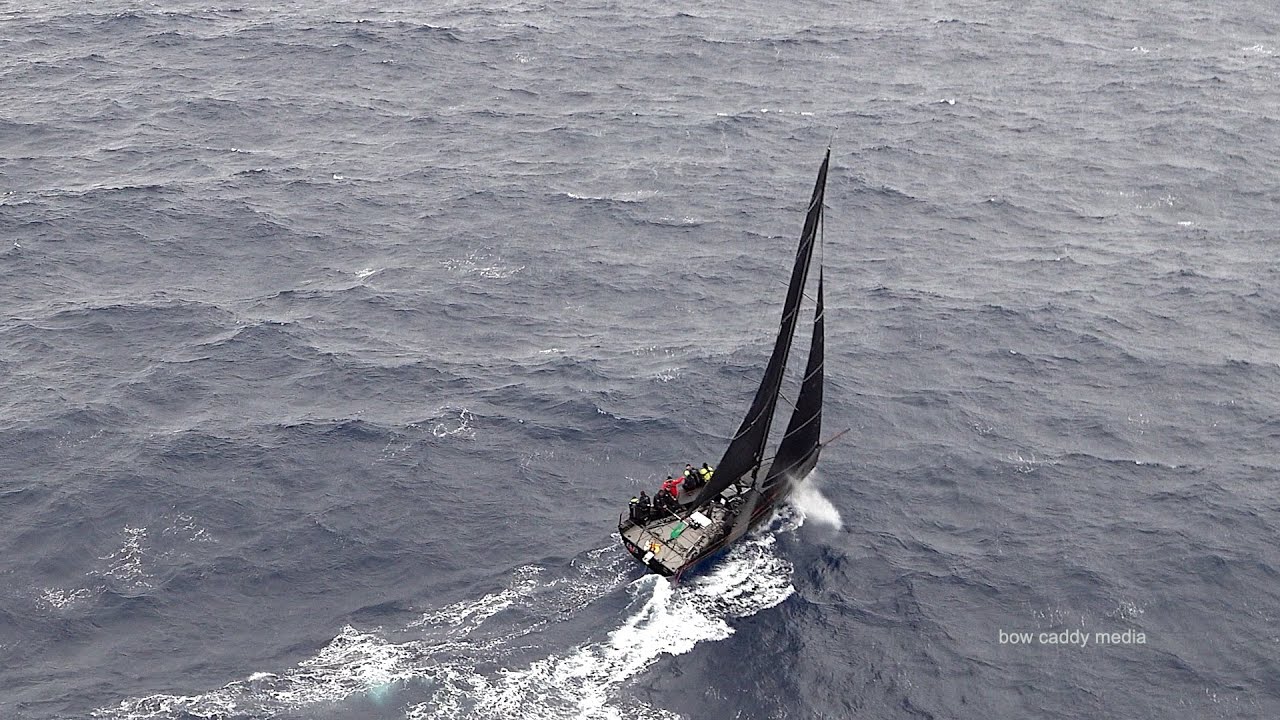
Sean Langman brought his GP42 Back2Black back to Sydney after their 2025 Admiral’s Cup /Fastnet campaign in the UK completing his 35th race to Hobart, Sean was happy with how the boat went and relieved that their work on waterproofing the boat prior to the race paid dividends.
0
0
0
22

Navegando en la Costa Tropial. La Herradura, Almuñecar, Nerja, Motril.
0
0
0
142
Pensionen är din framtida inkomst. Och därför är det så viktigt att tänka på den i tid. Oavsett var i livet du befinner dig så finns det alltid något du kan göra för att förbättra din inkomst som pensionär. Vi ger våra bästa tips och trixs för hur du kan tänka kring pensionen. Och framför allt ska vi göra pensionen enkel att förstå för dig. För det behöver inte vara krångligt och du behöver inte kunna allt. Men att ha lite koll nu kan göra stor skillnad sen.

0
0
0
19

Face to huge lipped face with a giant. Peeking under and within wrecks always brings the best surprises and this guy made our day. At 6ft (1.83m) long and roughly 400lb (181kg) this Goliath Grouper was large but not the largest of his pals. Growing on up to 1,000lb (454kg) and 8ft (2.5m) long, these dudes could have up to 57 million siblings from one mama in a single spawning aggregation and can live up to 37 years. We met this dude on the deep wrecks of Butler Bay in beautiful St Croix. Encrusted in live coral, surrounded in fish and voted one of the Best Caribbean Dive Sites by USA Today, The Deep Wrecks feature two wrecks in one dive. The Rosa Maria, a 177′ steel freighter in 70-110′ and The Coakley Bay, an oil refinery tug boat in 55-70′
0
0
0
154

0
0
0
0
242