Welcome aboard to the our video site for sailors. We are being constantly blasted by scammers and pirates, so registration is invite only
contact@sailorsahoy.com with "Invite". No spam, no newsletters. Just a free account
Shorts Create

Mudar de chumbo para lítio é um dos melhores upgrades que você pode fazer no barco, mas exige mesmo esse cuidado com o carregador. Como as baterias de lítio têm uma resistência interna muito baixa, elas aceitam muita carga de uma vez, e se o carregador antigo não tiver o perfil de carregamento correto, ele pode acabar danificando as células ou nunca chegando à carga plena. Ter o controle pelo celular facilita muito a vida a bordo. Por meio do aplicativo, você pode monitorar a corrente de entrada (amperes), ver exatamente quanto de energia está entrando do cais (220V) e saber se está com 80%, 90% ou 100%. O lítio é sensível ao calor excessivo durante a carga rápida. Como o lítio carrega muito mais rápido, o carregador vai trabalhar em alta intensidade por mais tempo do que o antigo trabalhava. Vale dar uma conferida se os cabos que conectam o carregador ao banco de baterias estão bem dimensionados e se os terminais estão bem crimpados para não aquecerem. Se você for deixar o barco conectado ao 220V no píer por muito tempo sem usar, não é ideal manter o lítio em 100% o tempo todo. Configure para manter a carga em torno de 50% a 70%, o que prolonga muito a vida útil. Instalar isso você mesmo economiza uma fortuna e garante que você conheça cada centímetro do sistema elétrico do barco, caso algo precise de ajuste no meio do oceano. #victron #vidaabordo #manutenção #veleiro #mar

0
0
0
11


0
0
0
26

At some point when boating, you're going to have to throw a line or rope, whether it's from the dock to the boat or the boat to the dock. Or even to someone overboard. BoatUS Magazine's Lenny Rudow shows you two ways to throw a line -- a critical line handling skill -- depending on how heavy the line is. More: https://www.boatus.com/expert-advice/expert-advice-archive/2014/june/how-to-throw-a-line-properly 🚩Enjoy this video? Become a BoatUS Member today to get 25+ valuable benefits including a subscription to award-winning BoatUS Magazine! https://boat.us/e/sy-join 🚩Visit the BoatUS Magazine website: https://www.boatus.com/Expert-Advice. BoatUS is the nation’s largest association of recreational boaters with more than half a million Members. We provide a diverse offering of services including marine insurance, on-the-water towing provided by TowBoatUS, the nation’s largest fleet, plus boat financing, graphics and lettering, representation for boaters on Capitol Hill, the award-winning BoatUS Magazine and much more. For more than 50 years, BoatUS has made boating safer, more affordable and more accessible. 🚩Download the FREE BoatUS App today to access NOAA marine weather, tides, exclusive Member discounts, and your BoatUS account. Assistance on the water has never been easier with TowBoatUS CONNECT in the BoatUS App — the fastest way to get a tow! https://boat.us/sy-app 🚩Connect with us: https://Facebook.com/BoatUS https://Twitter.com/BoatUS https://Instagram.com/BoatUS https://Tiktok.com/@boatusofficial https://Pinterest.com/BoatUS https://linkedin.com/company/boatus #boatus #seamanship #ropework #linehandling #shorts

0
0
0
6,429

These 3 Travel tips for flying will change your life! Fly First Class for FREE! ✈️ https://youtu.be/hrjricUPCzo 🎬 Best App To Download Movie Clips! https://snapdownloader.com/?ref=trevorjones4

0
0
0
2,531

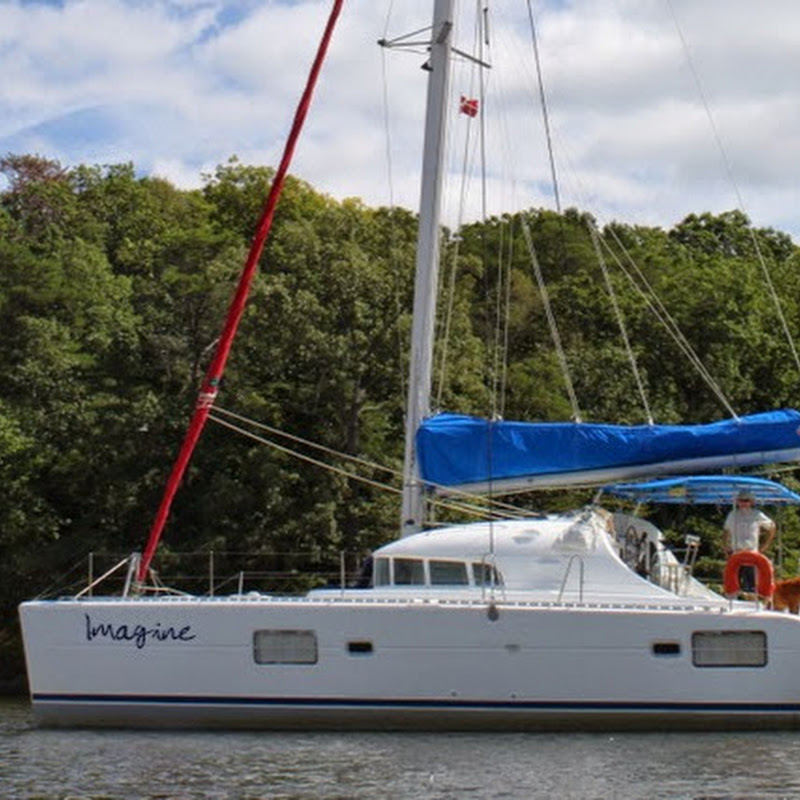
Sailing our Lagoon 380 catamaran "June Bug" on the Chesapeake Bay. Enjoy, there is full charter information at http://www.AnnapolisCatamaranCharters.com. Fair winds.
0
0
0
201

The yellow stingray (Urobatis jamaicensis) is a species of stingray in the family Urotrygonidae, found in the tropical western Atlantic Ocean from North Carolina to Trinidad. This bottom-dwelling species inhabits sandy, muddy, or seagrass bottoms in shallow inshore waters, commonly near coral reefs. Reaching no more than 36 cm (14 in) across, the yellow stingray has a round pectoral fin disc and a short tail with a well-developed caudal fin. It has a highly variable but distinctive dorsal color pattern consisting of either light-on-dark or dark-on-light reticulations forming spots and blotches, and can rapidly change the tonality of this coloration to improve its camouflage. Relatively sedentary during the day, the yellow stingray feeds on small invertebrates and bony fishes. When hunting it may undulate its disc to uncover buried prey, or lift the front of its disc to form a "cave" attractive to shelter-seeking organisms. This species is aplacental viviparous, meaning that the developing embryos are sustained initially by yolk and later by histotroph ("uterine milk"). Females bear two litters of up to seven young per year in seagrass, following a gestation period of 5–6 months. Though innocuous towards humans, the yellow stingray can inflict a painful injury with its venomous tail spine. This species is taken as bycatch by commercial fisheries and collected for the aquarium trade; it may also be negatively affected by habitat degradation. Nevertheless, it remains common and widespread, which has led the International Union for Conservation of Nature (IUCN) to list it under Least Concern.

0
0
0
320