Welcome aboard to the our video site for sailors. We are being constantly blasted by scammers and pirates, so registration is invite only
contact@sailorsahoy.com with "Invite". No spam, no newsletters. Just a free account
Corti Creare

0
0
0
11
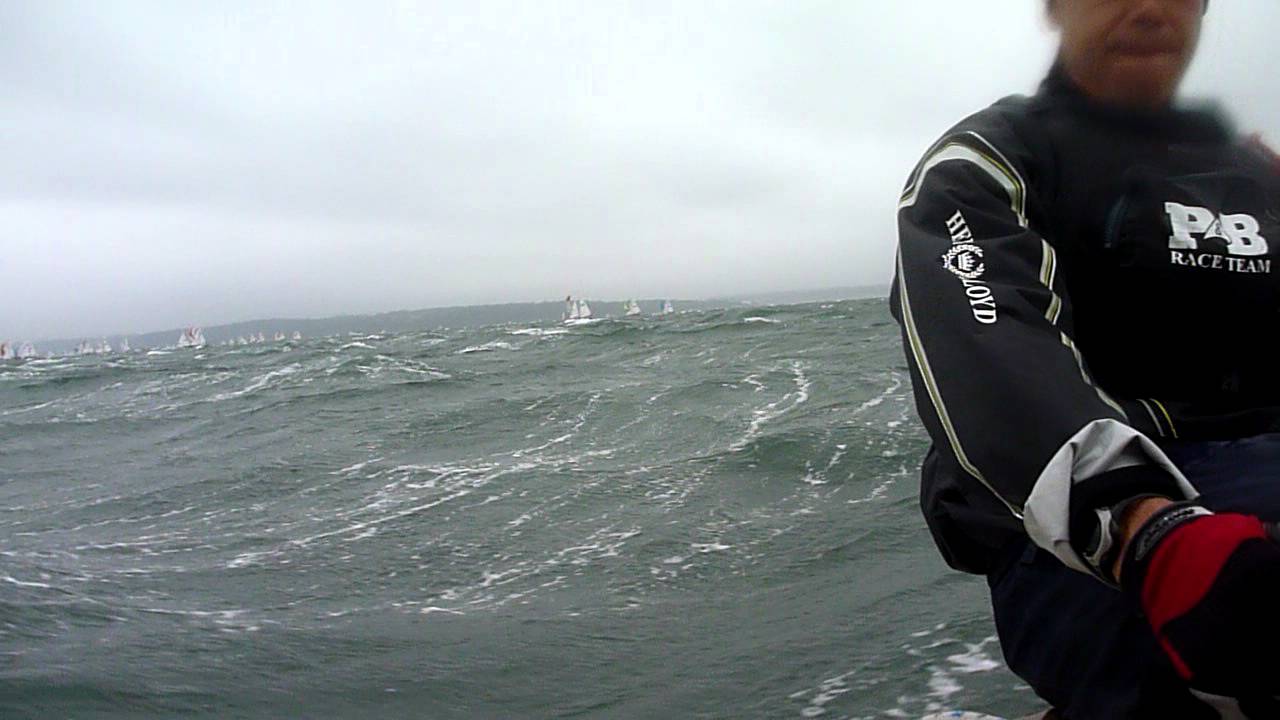
Hairy conditions on Thursday of Cowes Week which was also the third day of the XOD Centenary regatta. We're aboard XOD Class Captain William Norris's Beatrix with Vernon Nock (64) in the front of the boat and International Foiling Moth sailor (!) Peter Barton on the helm. William couldn't be aboard that day because he was on the Royal Yacht Squadron Platform with the Princess Royal who fired the starting cannon for this special race. In his place was Yachting World editor David Glenn. Unfortunately Beatrix was OCS which was apparently made clear to William Norris by the Princess Royal as the sail numbers were duly called out. We hope he didn't lay the blame too firmly at YW's doorstep! Despite the hiccup it was a truly great day's racing followed by a superb Centenary dinner party for 400 back in Cowes.

0
0
0
1,639

You can sign up for Jeff’s Offshore Cruising course by going to https://www.boatersuniversity.com/ This Offshore Cruising Tip is called, “Through hulls”. Through hulls are vital operational features that every boat owner needs to understand. Many owners take through hulls for granted and don’t give them much thought. We’d like to encourage you to remember their vital roles. We recommend that you identify the location and purpose of each through hull on your boat. As part of your check lists and routines we suggest you test regularly and make sure each through hull is working – it can be freely opened and closed. When they aren’t used, they can “freeze” or become stubborn. Through hulls that supply raw water to strainers seem to get more service since they are closed off to clean out the strainers, then re-opened. Other through hulls, like deck drains, are rarely adjusted since they are almost always left open. “Exercising” through hulls keeps them active and ready. One tip we recommend is using a PVC pipe as a “long reach” to check those through hulls tucked away outboard and also as a “persuader” that can give you the extra leverage you need to nudge a through hull that has become stiff due to lack of use. Never force a through hull, you could break it and open the flow of water. It is a good practice to have soft wooden bungs and a soft blow hammer nearby to plug a broken through hull and stop the inflow of raw water. If your boat is hauled out you can be a bit more aggressive, but if they are really stuck, they may need to be disassembled or replaced. To learn more about preparing for safe cruising, we invite you to sign up for “Offshore Cruising – Preparing Craft and Crew” and learn why it has become one of the most popular classes offered. To log in and sign up for the course, please go to this link, https://www.boatersuniversity.com/courses/offshore-cruising/?omhide=true JMYS clients can insert the discount code JEFFSAVES at check out to receive a 20% discount. JMYS is proud to partner with Boaters University and we hope that you will sign up to take the course. We truly believe this course will be a huge help for all boaters who wish to travel offshore. Thank you for watching this special tip video, we welcome your comments. Please visit our website: https://www.JMYS.com Like us on Facebook: https://www.facebook.com/jeffmerrillyachtsales/?fref=nf Follow us on Twitter: https://twitter.com/merrillyachts Follow us on Instagram: https://www.instagram.com/jmystrawlers/ To get in touch with Jeff Merrill: Mobile +1 949.355.4950 | Email Jeff@JMYS.com

0
0
0
2,568

Estação de vento interligada! 🤩 Saber a velocidade e direção faz toda a diferença. A galera antiga da regata pira! 🚀 #VelejarEVida #Veleiro #Velejar #Raymarine #EstacaoDeVento
0
0
0
626

On most boats it is important to have the head of the mainsail as close to the top of the mast as possible. Furthermore it must also be quick to attach and disconnect the main halyard, even with cold and wet fingers. So a shackle or a bowline are not the best solutions. The best is the method is the one shown in this video. The bobble is nice, but not strictly necessary. A double figure of 8 knot (figure of 16?) will do. The bobble or knot is never removed so you cannot lose the halyard through the mast. I usually shorten the main halyard a few cm/in at the start of each season to move the wear spots.

0
0
0
1,055

Spacious. Open. Airy. 360° views and a seamless cockpit-to-galley flow made for entertaining. www.catamarans.com #aquila #catamaranforsale #catamaransailing #sailingcatamaran

0
0
0
1,964