Welcome aboard to the our video site for sailors. We are being constantly blasted by scammers and pirates, so registration is invite only
contact@sailorsahoy.com with "Invite". No spam, no newsletters. Just a free account
Cortos crear
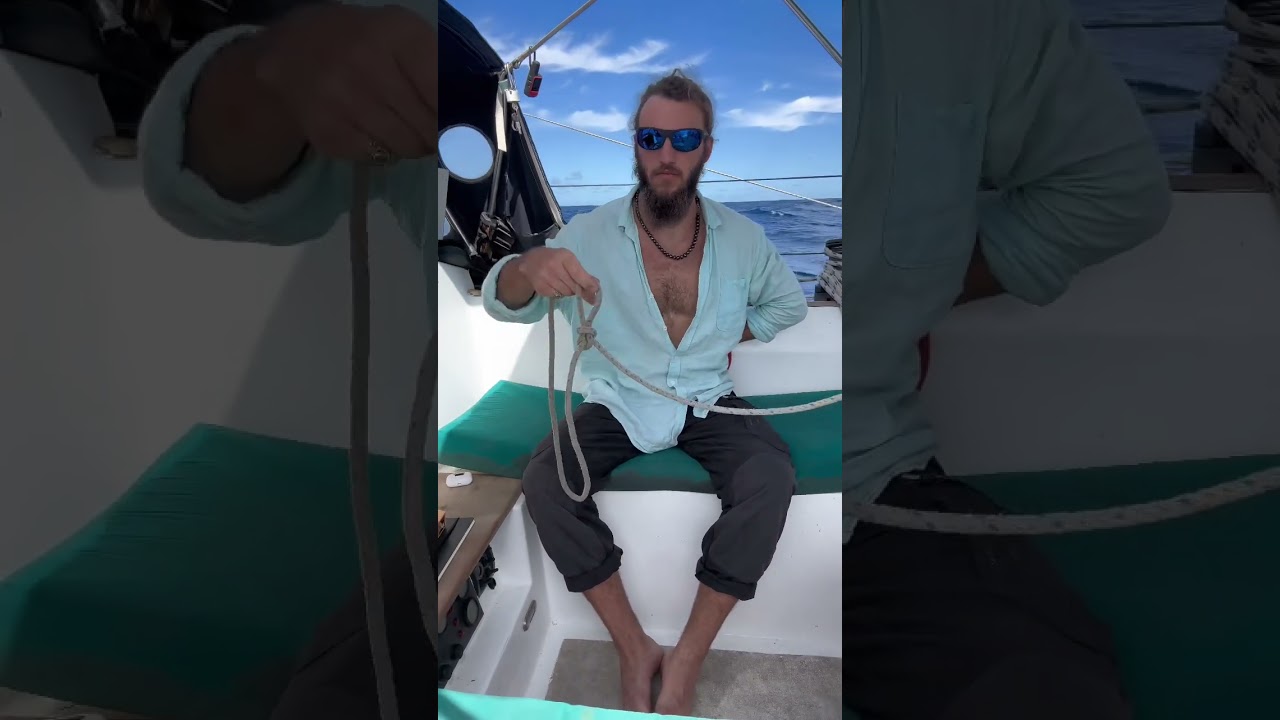
Witness an impressive display of knot-tying skills in this YT short, featuring Dylan Magaster tying the versatile and essential bowline knot using just one hand. A testament to his expertise and experience in sailing, this video showcases the mastery of a crucial knot in a unique and challenging way. Perfect for sailing enthusiasts, knot aficionados, or anyone who loves witnessing remarkable skills in action, this short is both entertaining and awe-inspiring.
0
0
0
3,695
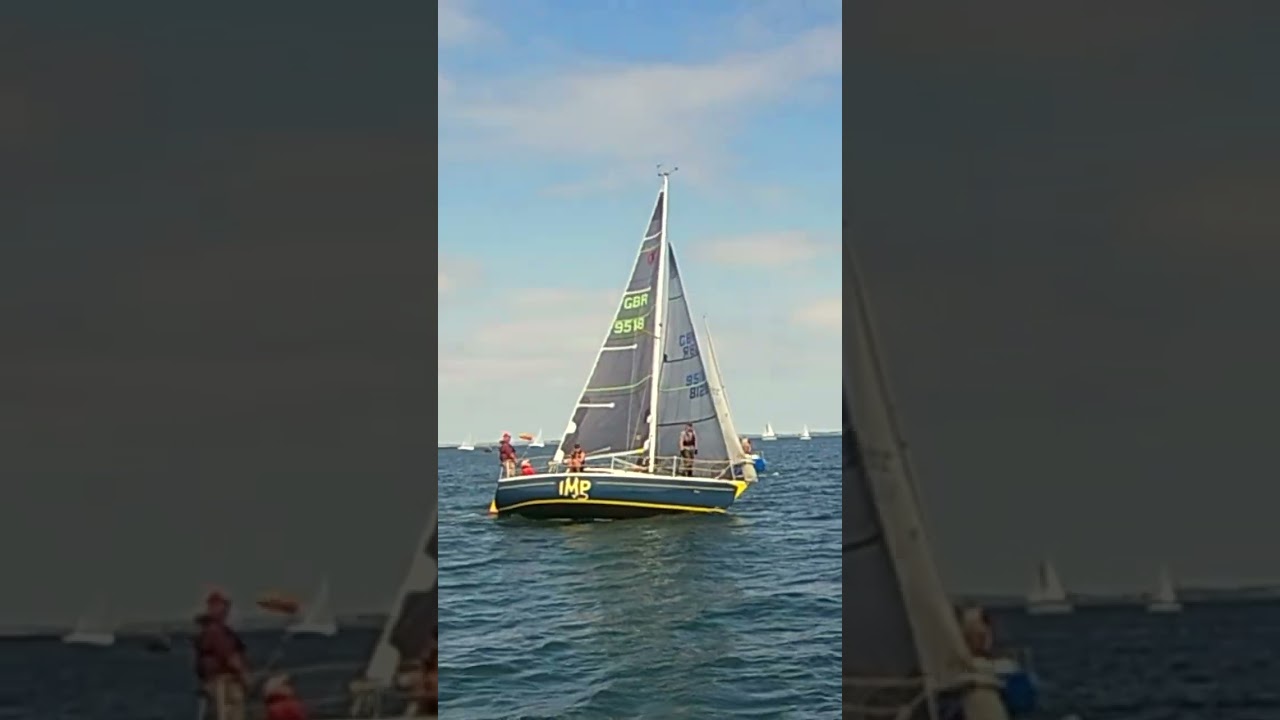
Join us on an unforgettable journey as we explore the thrill of sailing on the stunning waters of Strangford Lough in Northern Ireland, where the Impala yacht truly comes alive. With its sleek design and impressive performance, this sailboat is a joy to behold, gliding smoothly through the waves with ease. As we participate in the exciting East Down Regatta 2025, get a glimpse into the exhilarating world of sailboat racing and the unique lifestyle that comes with it. From the rush of competition to the serene beauty of cruising, experience the best of yacht life and sailing life on the beautiful Strangford Lough. Whether you're a seasoned sailor or just discovering the thrill of sail racing, this video is sure to leave you inspired and eager for more. With its rich sailing heritage and breathtaking scenery, Northern Ireland is the perfect destination for anyone who loves the water and the freedom of sailing. So sit back, relax, and enjoy the ride as we showcase the Impala sailboat in all its glory, racing and cruising on the stunning waters of Strangford Lough. The team at bottom up boats hope you are enjoying the short bits from our 2025 racing season.

0
0
0
49

0
0
0
434

@LivinLaVidaGypsea
0
0
0
1,013

0
0
0
1,076

Added the Feniex T3 LED as an auxiliary turn signal. The Westin HDX brush guard covers the factory blinker, so I wanted to add some auxiliary light. The T3 has a "brake/tail" feature which provides a low power steady burn capability to avoid blinding other motorists.

0
0
0
1,417