Welcome aboard to the our video site for sailors. We are being constantly blasted by scammers and pirates, so registration is invite only
contact@sailorsahoy.com with "Invite". No spam, no newsletters. Just a free account
निकर सृजन करना

Coucher de soleil sur Rio de Janeiro depuis le Pão de Açúcar (Pain de Sucre)
0
0
0
128
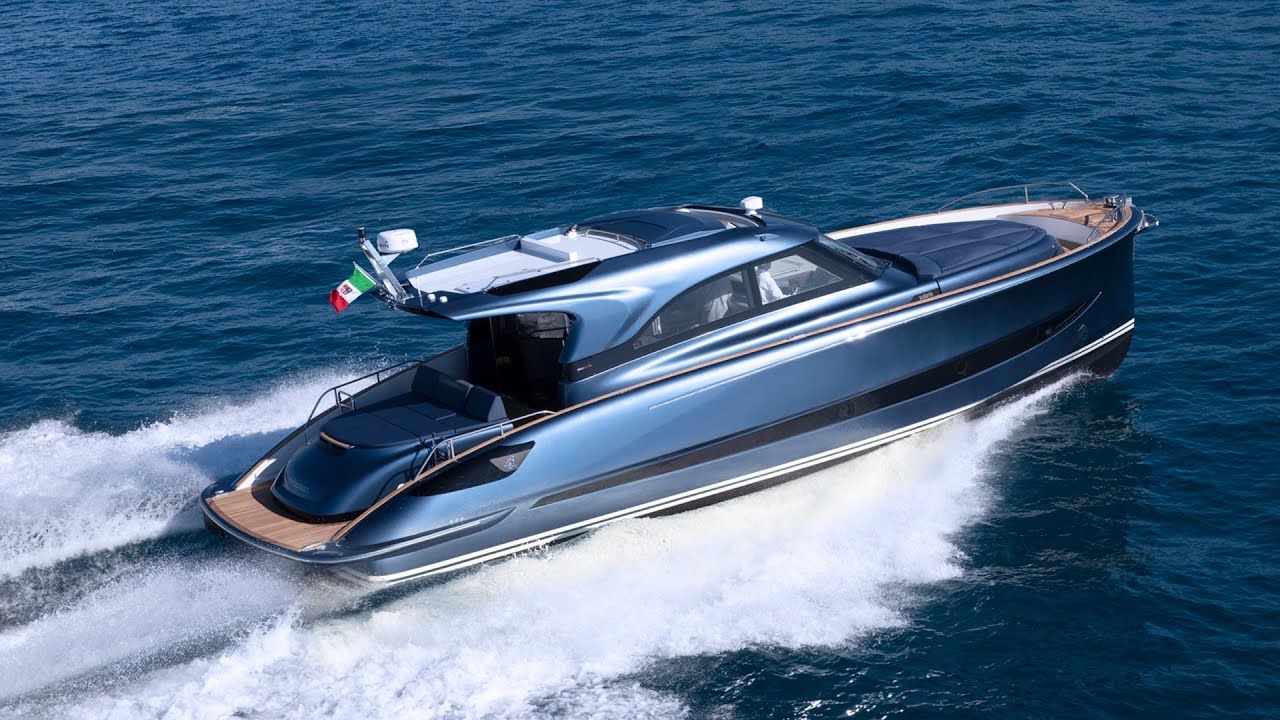
A new take on the traditional lobster boat, with all the features of seaworthiness, functionality and safety of the award winning Solaris Power 48 Open. Smooth sailing through the waves, a dry deck in choppy seas and great stability while cruising and at anchor for greater yachting enjoyment.
0
0
0
4,280
0
0
0
1,533

Join us on a sailboat as we navigate sudden weather changes! See how our Raspberry Pi bot alerts us to rapidly increasing wind speeds and direction shifts. Learn about anchor concerns and experience the challenges of cooking at sea. A real sailing adventure! #SailboatCooking #AnchorConcerns #RaspberryPiBot #SailingAdventures #SuddenWeather #WindShifts #SailingLife #GalleyCooking #SailingTech #BoatLife

0
0
0
87

Searay Sundancer https://www.scanboat.com/en/17408887

0
0
0
36

Embark on an exhilarating underwater odyssey with us as we explore the mesmerizing depths of the Red Sea in Hurghada aboard the luxurious liveaboard vessel, Amelie! Join our diverse group of adventure-seekers from Austria, Germany, Denmark, Croatia, and Wales as we dive into a week-long journey filled with breathtaking encounters with vibrant marine life and stunning coral reefs. Experience the thrill of liveaboard diving as we navigate the crystal-clear waters of the Red Sea, encountering majestic marine creatures and exploring hidden underwater treasures. From vibrant coral gardens to thrilling dive sites, our expedition promises unforgettable moments and lifelong memories. Join us on this unforgettable dive adventure in Hurghada, where every dive is a new discovery and every moment is filled with excitement. Subscribe now to dive deep into the wonders of the Red Sea with us! I hope you'll enjoy this video! If you have any questions, please leave a comment down below. Music: https://www.storyblocks.com/audio Voiceover: https://murf.ai/text-to-speech AI Invideo (10 minutes are free!): https://invideo.io/i/pyu NordVPN - Get 3 months for free!: https://ref.nordvpn.com/ZpghalEIcgd Join me on Instagram: Everything big - https://www.instagram.com/project_yet_unknown_all/ Everything small - https://www.instagram.com/project_yet_unknown/ Check out my pictures on ... Scopio: http://bit.ly/2OtkRLg Wirestock: https://wirestock.io/peter.jantsch

0
0
0
164