Welcome aboard to the our video site for sailors. We are being constantly blasted by scammers and pirates, so registration is invite only
contact@sailorsahoy.com with "Invite". No spam, no newsletters. Just a free account
Quần short Tạo ra

0

0
0
0
1,643

Slow down and let go! Your vacation is the most precious time you have. A break from daily life, worries, and responsibilities. Some people prefer an action-loaded and adrenaline-pumped holiday, while others value the peace and quiet to recharge. A luxury yacht charter can offer you everything you need for full relaxation: ✨ Sunset walks on an empty beach ✨ Delicious, fresh, and healthy meals from your onboard chef ✨ Your own personal trainer, yoga master, or spa expert ✨ Snorkel excursions and stand-up paddling ✨ Soak up the sun rays on deck ✨ Live music under the stars ✨ Nutritious smoothies in the outdoor Jacuzzi ✨ Unlimited Beauty treatments and massages ✨ Refreshing morning swims ✨ Hammocks and a good book ✨ Stylish and comfortable interiors, beds, and lounge areas Let us help make your dream vacation happen: info@noblesse.yachts #shorts #noblesseyachts #yachtcharter #luxurytravel #superyacht #yachtlife #megayachts #luxelife

0
0
0
22

The yellow stingray (Urobatis jamaicensis) is a species of stingray in the family Urotrygonidae, found in the tropical western Atlantic Ocean from North Carolina to Trinidad. This bottom-dwelling species inhabits sandy, muddy, or seagrass bottoms in shallow inshore waters, commonly near coral reefs. Reaching no more than 36 cm (14 in) across, the yellow stingray has a round pectoral fin disc and a short tail with a well-developed caudal fin. It has a highly variable but distinctive dorsal color pattern consisting of either light-on-dark or dark-on-light reticulations forming spots and blotches, and can rapidly change the tonality of this coloration to improve its camouflage. Relatively sedentary during the day, the yellow stingray feeds on small invertebrates and bony fishes. When hunting it may undulate its disc to uncover buried prey, or lift the front of its disc to form a "cave" attractive to shelter-seeking organisms. This species is aplacental viviparous, meaning that the developing embryos are sustained initially by yolk and later by histotroph ("uterine milk"). Females bear two litters of up to seven young per year in seagrass, following a gestation period of 5–6 months. Though innocuous towards humans, the yellow stingray can inflict a painful injury with its venomous tail spine. This species is taken as bycatch by commercial fisheries and collected for the aquarium trade; it may also be negatively affected by habitat degradation. Nevertheless, it remains common and widespread, which has led the International Union for Conservation of Nature (IUCN) to list it under Least Concern.

0
0
0
14

Sailing a beautiful mountain lake with friends! Subscribe and follow @ColoradoSailing on YouTube for more original sailing videos, gear, boat maintenance, sailing tips and travel content as I sail my Precision 18 trailer sailer and Precision 16 sailing dinghy in Colorado, New Mexico, Utah, Wyoming and South Dakota. #sailing #lakesailing #mountainsailing #saillife #sailingchannel #coloradosailing

0
0
0
710

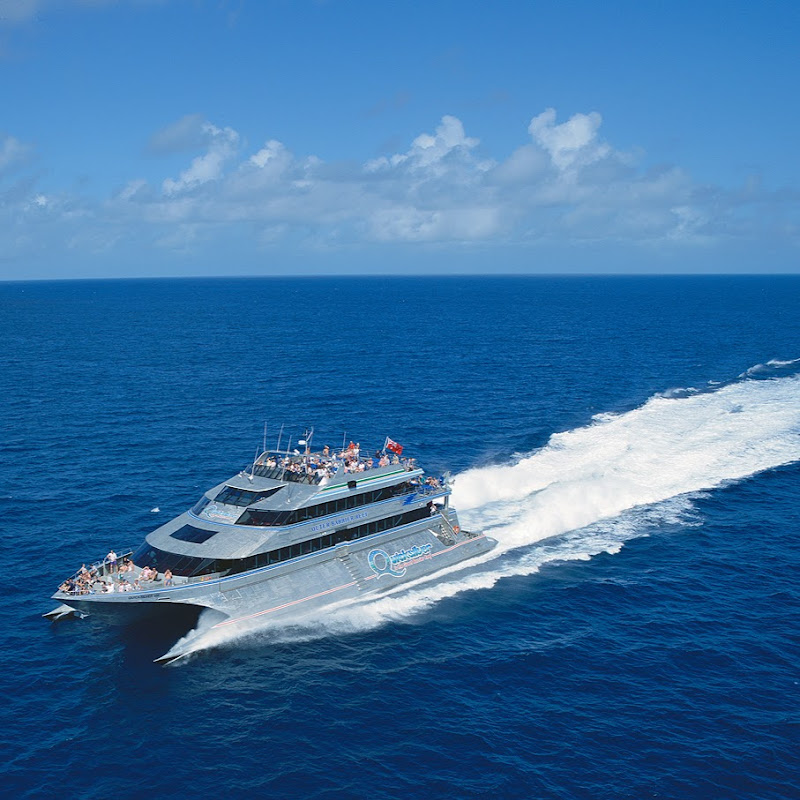
A group of very excited scuba divers with Great Adventures Cruises at Green Island were treated to a rare encounter with a young adult dugong. Estimated to be around 2 metres in length, this was the first dugong sighting recorded by Great Adventures divers at Green Island in several years. It was also the first ever sighting for videographer Dan Liu and two very lucky introductory divers on holiday from Ballarat Victoria. “It was so exciting to see! He was very curious swimming near us as the group were diving on a nearby coral bommie. He came close within about 4 metres, swimming away and then coming back for another look before swimming off over the seagrass beds,” said Dan Liu. Dugongs, often called sea cows, as they graze shallow seagrass meadows (eating up to 40kg a day!) are found across the tropical belt in Australia. They reach a length of 3 metres, live up to 70 years of age and can weigh as much as 400kg. Dugongs are fascinating mammals, sharing a common ancestor with elephants, and early sailors are believed to have confused them for mythical mermaids. They are most closely related to the manatee, their northern hemisphere relative. They resemble a large dolphin but lack a dorsal fin and have an upper lip covered in thick bristles. They are well designed for aquatic life, with nostrils situated on top of their heads so they can breathe, and have a large, strong tail that propels them through the water. Their eyes and ears are on the side of their heads. Although their eyesight is poor, they have an acute sense of hearing.” Dugong are threatened on a worldwide scale and in Australia, are a protected species under various legislation including the Great Barrier Reef Marine Park Act 1975. This important sighting will be reported to GBRMPA’s Eye on the Reef monitoring program contributing valuable information about these endangered creatures as well as the long-term protection and management of the reef. Video credit Dan Liu, Island Photography Australia
0
0
0
340

0
0
0
88