Welcome aboard to the our video site for sailors. We are being constantly blasted by scammers and pirates, so registration is invite only
contact@sailorsahoy.com with "Invite". No spam, no newsletters. Just a free account
شارٹس بنانا

Race&Cruise charter vela partecipa alla Veleziana 2018 con tutta la sua flotta!

0
0
0
37

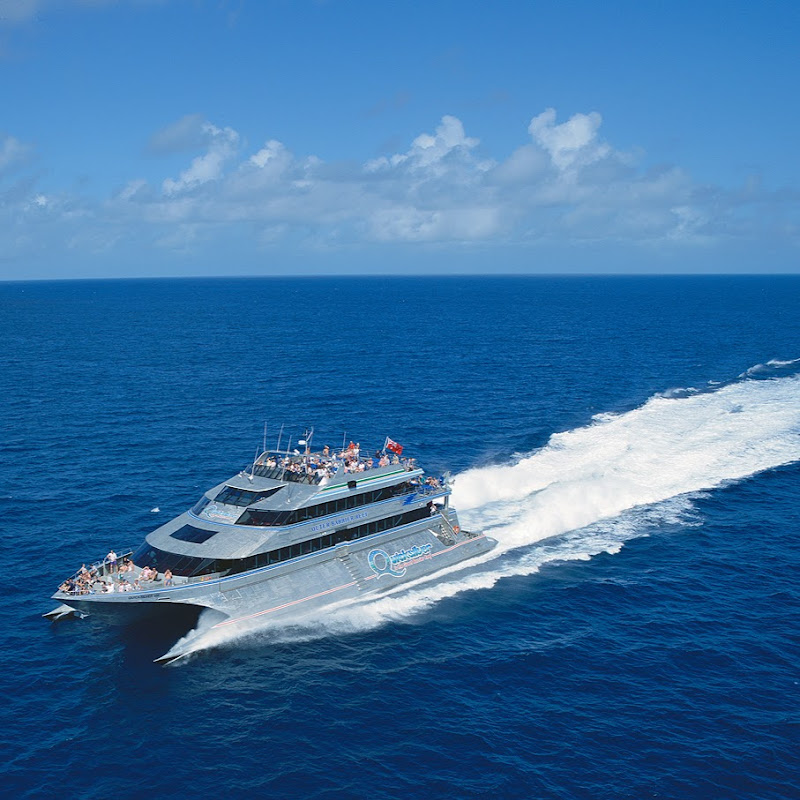
Imagine coming face to face with the biggest fish in the sea – the whale shark. That’s just what happened to a group of lucky passengers with Great Adventures in a very rare encounter while they were seated in the semi-submarine at Moore Reef. This vision was captured by one of the lucky passengers. The whale shark, estimated to be 4 - 5 metres in length swam up close and alongside the semi-sub window as excited passengers looked on in awe. Quicksilver Group Environment and Compliance Manager Doug Baird said. “For what is the world’s largest fish, we really do know very little about them and their behaviour here on the east coast of Australia.” More often associated with the northern waters of Western Australia, whale shark encounters on the Great Barrier Reef are quite sporadic. This sighting is of great interest to researchers who have been working to identify a potential whale shark aggregation site in the far north regions of the Reef. As the largest fish in the sea reaching lengths of over 12 metres, whale sharks are docile fish feeding mostly on plankton, crab larvae and jellyfish, which they scoop up with their colossal gaping mouths while swimming close to the water’s surface. They are listed as a vulnerable species and prior to the mid 1980s there were less than 350 confirmed reports of whale sharks world-wide. Researchers are able to identify individuals from photographs by analysing the patterns of markings on their bodies - a bit like fingerprints.
0
0
0
246

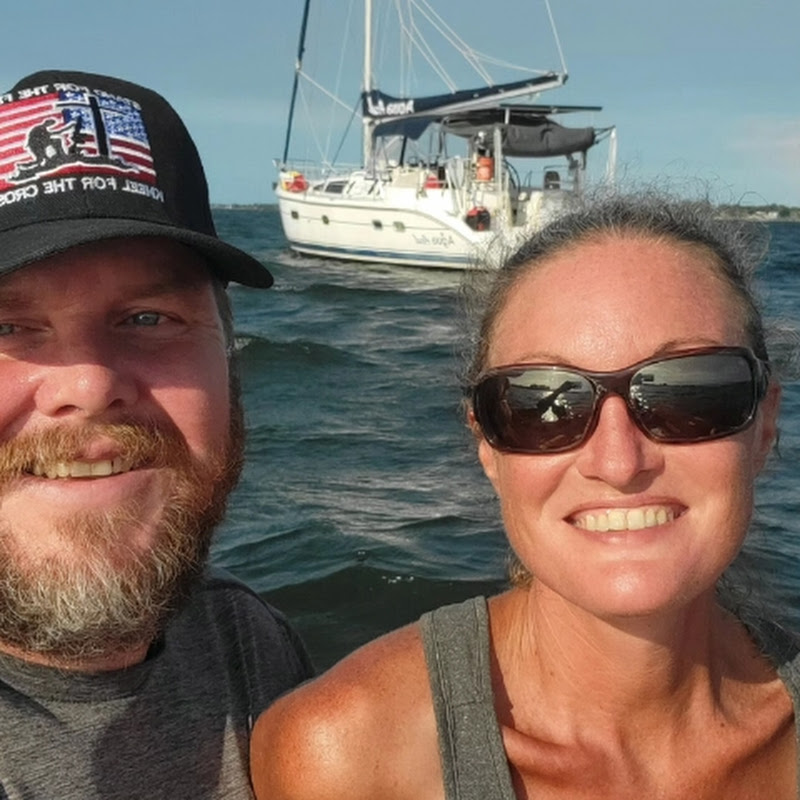
The technical reality of Luperón Bay involves managing the intersection of urban runoff and maritime safety. Primary data confirms a concentrated debris line flowing directly from the town into the harbor waters. Observations include industrial waste and plastic containers forming a distinct boundary at the edge of the current. The environmental narrative frames this as the inevitable result of municipal drainage meeting a protected bay. While Luperón remains a vital hurricane hole for the cruising community, the forensic data shows a significant accumulation of refuse that poses a direct risk to vessel systems. Operational execution remains focused on protecting the sub-surface layers of the vessel. The Babe is on deck monitoring the line as we navigate the Hunter 410 through the convergence zone. Redneck engineering protocols are in effect to ensure raw water intakes remain clear of plastic obstructions while the media layer documents the environmental flow. The conduct audit identifies the debris as urban runoff without utilizing ad hominem attacks against local infrastructure. This is a forensic look at the environmental challenges faced by the crew in the Dominican Republic. #Sailing #Luperon #DominicanRepublic #BoatLife #GreatLoop #Cruising #EnvironmentalReality #Hunter410 #OceanCleanup #HarborLife #CaribbeanCruising #MarineDebris #RedneckEngineering #TheNest #ThornyPath
0
0
0
120

0
0
0
0
238

0

0
0
0
756

If you would like to book cabins for the Odyssey Sailing Festival visit www.theoceancruisers.com/odyssey for tickets and booking information
0
0
0
646