Welcome aboard to the our video site for sailors. We are being constantly blasted by scammers and pirates, so registration is invite only
contact@sailorsahoy.com with "Invite". No spam, no newsletters. Just a free account
Kurze Hose Erstellen

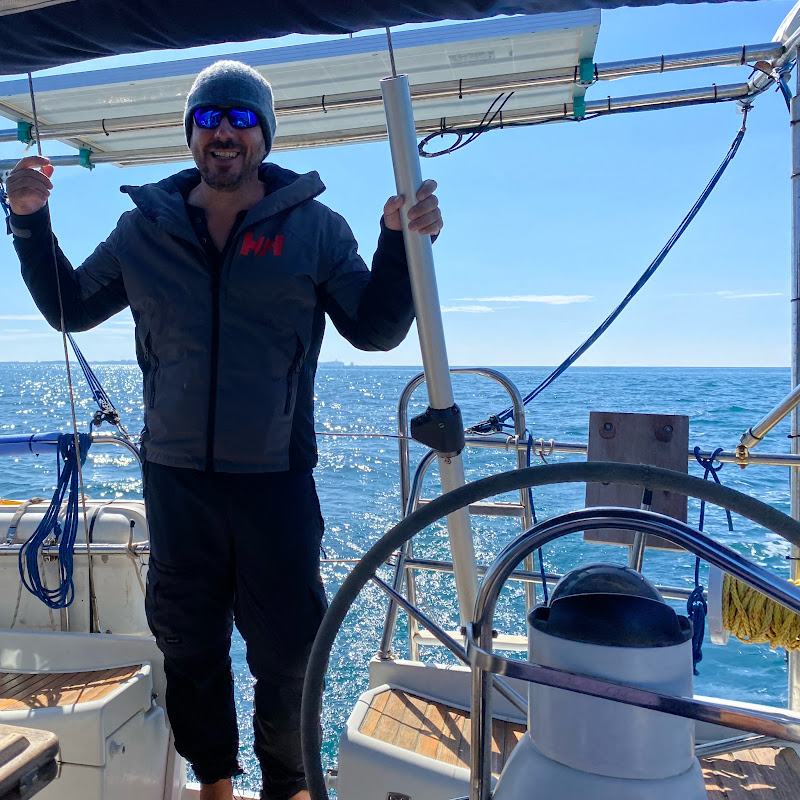
Arriando con Sail Track Tides Marine en el Bahia de las Islas de Angel
0
0
0
611

0
0
0
0
293


0
0
0
1,013


0
0
0
18

It's About People! And it's about Water. Puro was designed to be the extra hand on board when the crew really needs it. Discover our advanced water purification system, engineered to deliver consistently pure water for all your needs. This state-of-the-art solution incorporates high-rejection reverse osmosis membranes, a powerful booster pump, and precise automatic pump control for optimal performance. Experience reliable, superior water quality with technology designed for seamless operation and peace of mind. It removes chlorine + micro-plastics + sediment + fluoride + heavy metals from old pipes + PFAS / PFOA and other harmful chemicals. PURO: SPOT FREE CRYSTAL CLEAR WATER IS AVAILABLE ANYWHERE AT THE TOUCH OF A BUTTON Contact the team at Gineico to learn more, or for a quote. Our technicians are ready to help—ciao! 📍 QUEENSLAND HEAD OFFICE & SHOWROOM G45, 76-84 Waterway Drive, Coomera, Qld, 4209 https://www.gineicomarine.com.au/ 👉 AUSTRALIA (+61) 7 5556 0244 👉 NEW ZEALAND (+64) 21 275 7608 👉 EMAIL: Sales@Gineicomarine.com.au
0
0
0
3

0
0
0
0
298