Welcome aboard to the our video site for sailors. We are being constantly blasted by scammers and pirates, so registration is invite only
contact@sailorsahoy.com with "Invite". No spam, no newsletters. Just a free account
Kratke hlače Stvoriti


0
0
0
16
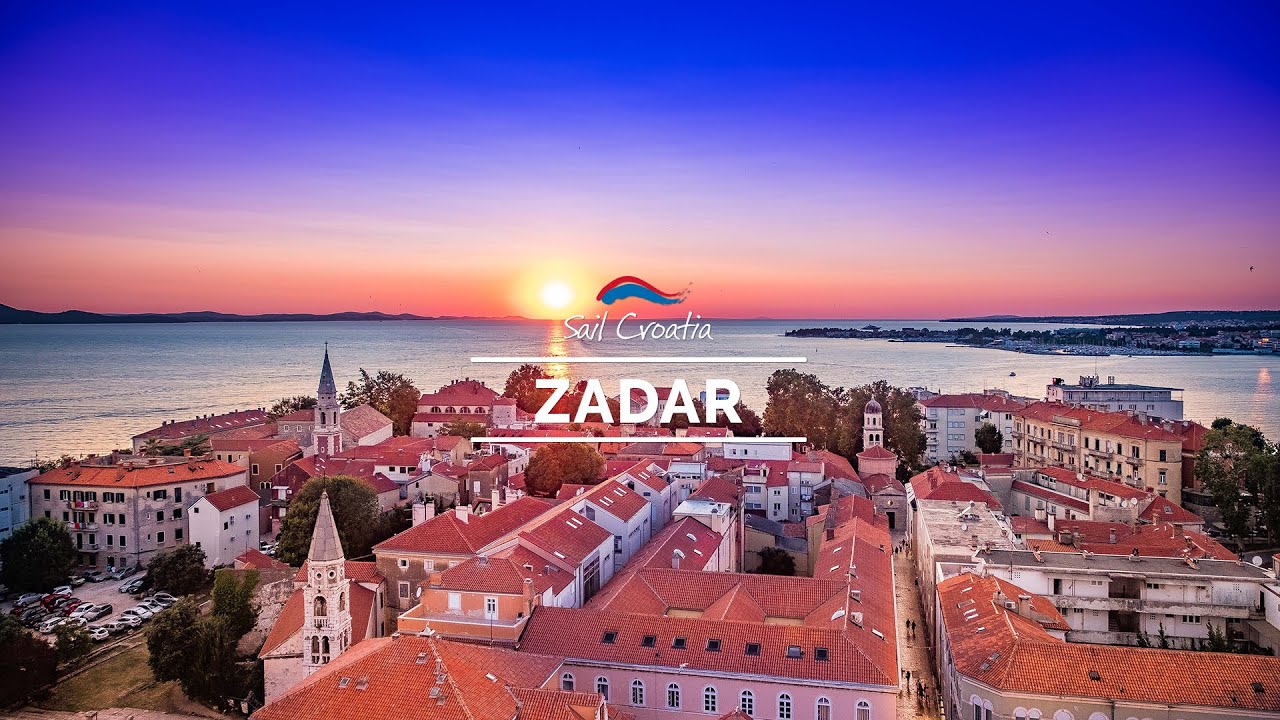
Dating back to the 4th Century, Zadar is Croatia’s oldest continually inhabited city! The city that was once the capital of Dalmatia now city boasts unique museums, a seafront promenade, and a booming restaurant and cafe scene that is famous for its fresh, local seafood. If you're heading to the seaside city of Zadar, you'll want to add these must-do items to your list! 1. Learn about the Church of St. Donatus 2. Visit the Bell Tower at St. Anastasia's Cathedral and take in the city views 3. Get a glimpse of local life at Five Wells Square 4. Hear the sounds of the sea at the famous Sea Organ as you take in a world-renowned sunset 5. Take in the art installation and spectacle that is the Greeting to the Sun; a solar installation that lights up the promenade If you're planning the ultimate trip to Zadar, check out our Zadar Destination Guide below: https://www.sail-croatia.com/set-sail/destination/zadar
0
0
0
1,912

See how to make delicious lasagna from scratch and plan other amazing dinners and lunches. Get inspired for your next meal! #Lasagna #DinnerIdeas #LunchPlans #HomemadeFood

0
0
0
14

Sur l’Intracoastal Waterway (ICW), chaque pont a son horaire… on calcule vitesse et distance pour ne rien manquer 😳 ------------------------------------------------- 📍 INTÉRESSÉ(E) PAR UN CATAMARAN BALI ? Achat, visite à bord, transatlantique ou voyage accompagné — écris-nous : 📩 bali@sailingatypic.com ⚓ CONVOYAGE & ACCOMPAGNEMENT DE PROPRIÉTAIRE Plus de 25 000 milles nautiques d’expérience, traversée océanique et convoyages internationaux. Nous pouvons convoyer votre bateau ou vous accompagner pour vos premières navigations en toute sécurité. 📩 convoyage@sailingatypic.com ☀️ TU RÊVES DE VACANCES SUR UN VOILIER ? Je t’aide à organiser ton voyage à bord d’un voilier, partout dans le monde. Infos et disponibilités : ➤ https://sailingatypic.com/pages/vacances-a-bord 📩 voyages@sailingatypic.com ❤️ MERCI À NOS PATREONS QUI RENDENT CES VIDÉOS POSSIBLES Tu veux soutenir l’aventure et avoir accès aux vidéos en primeur, sans publicité ? ➤ https://www.patreon.com/sailingatypic 🌐 NOTRE SITE WEB ➤ https://www.sailingatypic.com 👕 BOUTIQUE ATYPIC – PORTE L’ESPRIT DE L’AVENTURE ➤ https://sailingatypic.com/collections/all 🔔 SUIVEZ L’AVENTURE EN DIRECT Facebook : http://www.facebook.com/SailingAtypic/ Instagram : https://www.instagram.com/sailing_atypic/?hl=fr YouTube : https://youtube.com/c/SailingAtypic Patreon : https://www.patreon.com/user?u=37205310
0
0
0
130

0
0
0
0
8
0
0
0
348