Welcome aboard to the our video site for sailors. We are being constantly blasted by scammers and pirates, so registration is invite only
contact@sailorsahoy.com with "Invite". No spam, no newsletters. Just a free account
Celana pendek Membuat

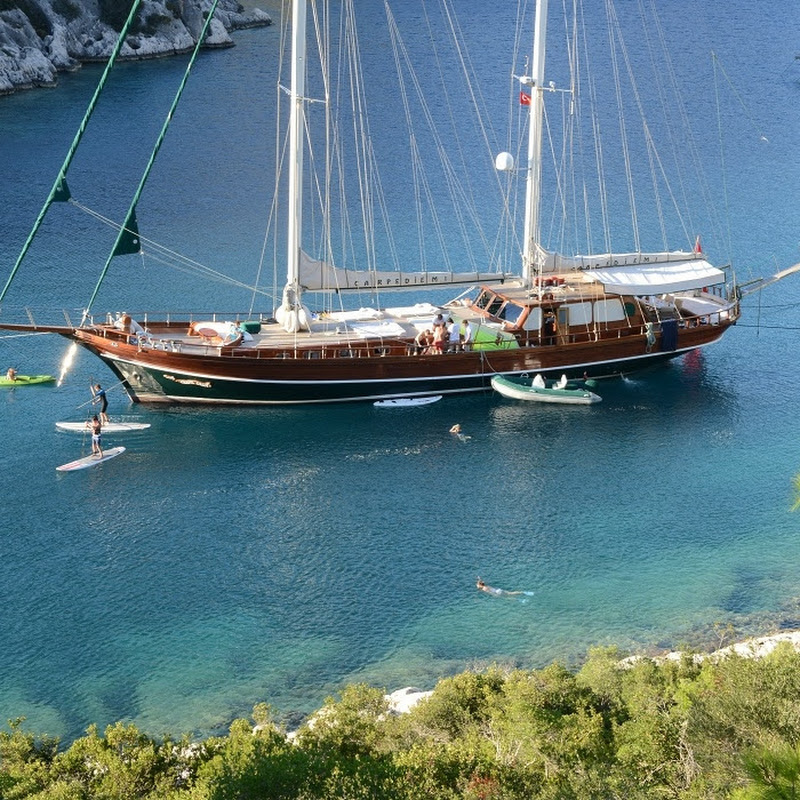
http://www.viewyacht.com/anotherchance Accommodations:2 staterooms each with own head and shower. Water toys (inflatable towables, inflatable paddle boards, noodles). Top of the line Fishing Gear Snorkel Gear Music by bensound.com
0
0
0
20

Rent this boat in Split with Sailogy.com, it has been certified in May 2014 by one of our Sail Hunters. King is a 5 cabin sailboat with 3 toilets, year of built 2007. Quality guaranteed!

0
0
0
629

O canal oficial da Semana Internacional de Vela de Ilhabela apresenta vídeos promocionais, entrevistas e VTs sobre o principal evento da modalidade na América do Sul. O campeonato chega à sua 46ª edição e será disputado de 13 a 20 de julho, em Ilhabela (SP). São 120 barcos confirmados Não deixe de usar a #SIVILHABELA em seus posts...Curta e compartilhe! Mais informações em https://www.facebook.com/sivilhabela https://www.instagram.com/sivilhabela https://www.twitter.com/sivilhabela Contatos de imprensa: Flávio Perez | Juliana Leite | Katarine Monteiro +55 11 992176474 katarine@onboardsports.net contato@onboardsports.net

0
0
0
24

Subscribe to our boats.com channel: https://www.youtube.com/user/boatsdotcom For more boating videos, visit https://www.boats.com. boats.com features boat reviews, how-to videos, special features, and information about new boats, boats for sale, and boating products—usually with a dash of fun. Our reviewers test the features, performance, and specifications of each boat, searching out the hidden details for critical evaluation. If you're shopping for a boat, we want to help you make the best choice. And if you're just looking, we'll try to make it fun too. Subscribe to receive notification of new videos.

0
0
0
1,265


0
0
0
346

This great hammerhead came to visit the Aqua Cat. Great Hammerheads are the largest of hammerhead species and are at great risk of extinction due to the shark fin trade. The creatures are not dangerous and need to be protected.

0
0
0
1,415