Welcome aboard to the our video site for sailors. We are being constantly blasted by scammers and pirates, so registration is invite only
contact@sailorsahoy.com with "Invite". No spam, no newsletters. Just a free account
السراويل القصيرة خلق

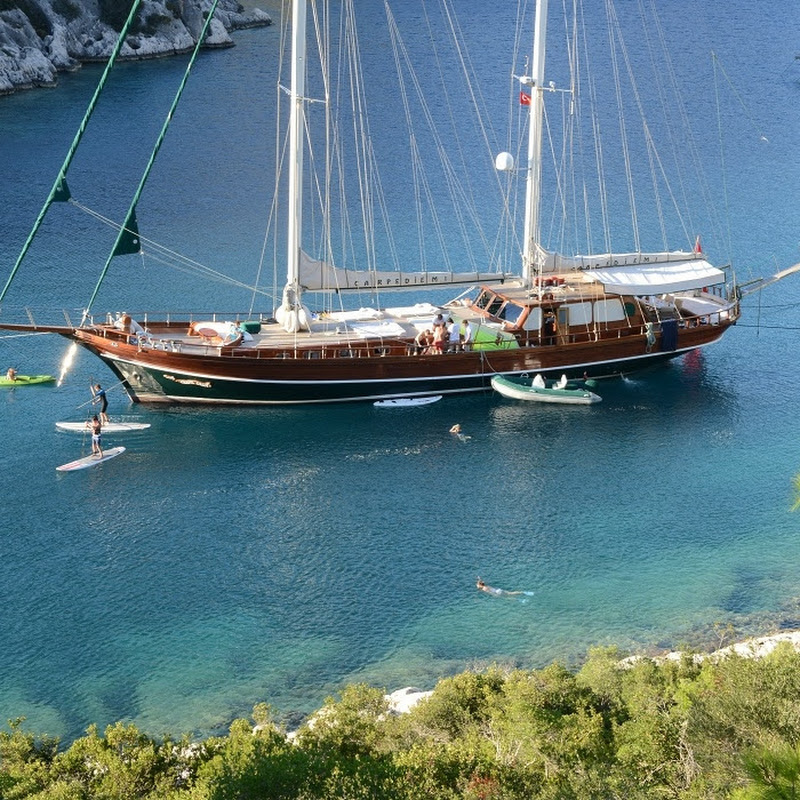
http://www.viewyacht.com/angelsanddemons Accommodations:Stunning boat with three cabins, cabin exquisitely furnished with its own bathroom Suire, VIP cabin with double bed with private bathroom suites, guest cabin with twin folding bed and clear its own bathroom. living room with couches where you can dine and white tafolo six guests, fully equipped kitchen. TV surraund Dolby stereo in all cabins and saloon. Music by bensound.com
0
0
0
1,547

☀️🏊♂️Dive into bliss at our Fuerteventura swim stop! Crystal-clear waters, endless sunshine, and pure relaxation await our clients. Unforgettable moments, one swim at a time. #magicandsailing #dolphins #ocean #canaryislands #catamarantour #boat #morrojable #vacation #winter #viralvideo

0
0
0
2,402

Lagoon vous embarque à bord du Yachting Live, l'évènement 100% digital du Groupe Beneteau ! ♦ Du 15 au 17 janvier 2021 3 jours de découvertes et d'interactions pour choisir le catamaran Lagoon de vos rêves ! Inscription gratuite : https://cutt.ly/AhQJ4Ty Subscribe to Lagoon YouTube Channel : https: //www.youtube.com/channel/UCWVdVCBpjeIGtaJGgjyiT6g Website : https://www.catamarans-lagoon.com/ Facebook : https://www.facebook.com/lagooncatamarans/ Instagram : https://www.instagram.com/lagooncatamarans/ LinkedIn: https://www.linkedin.com/company/lagoon-catamarans/

0
0
0
393

0
0
0
0
28
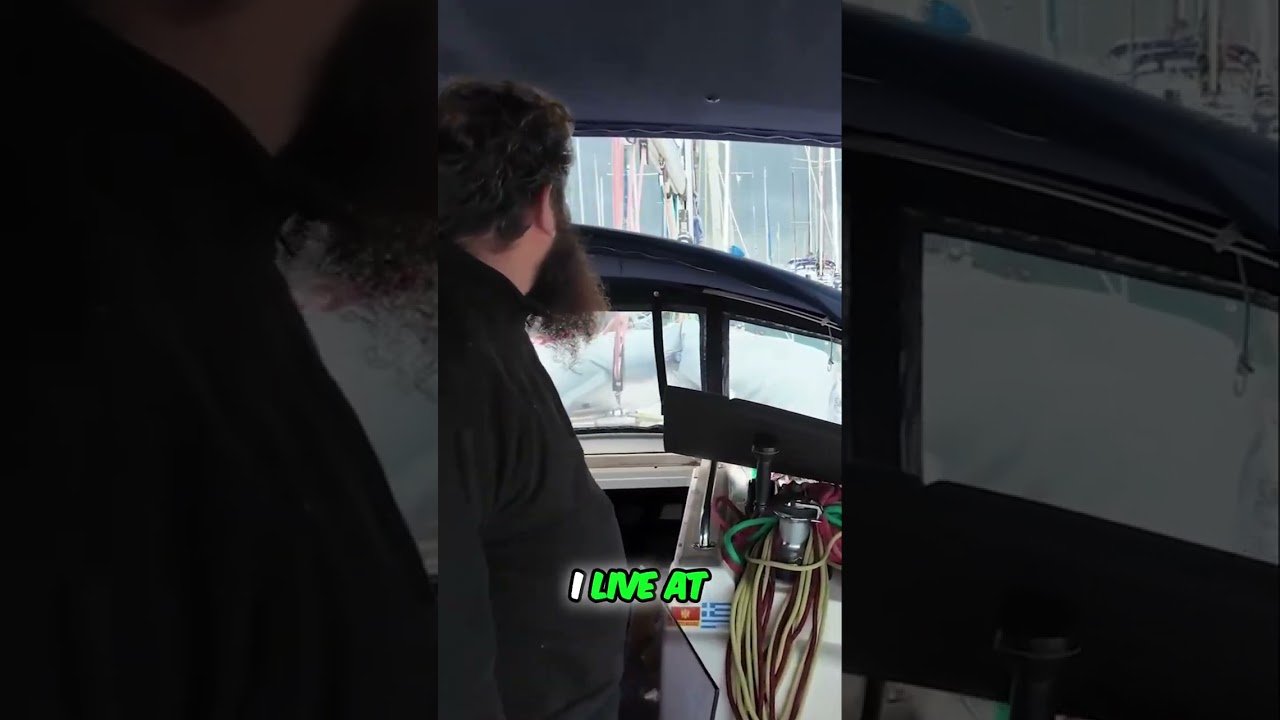
Experience the thrill of a stormy marina! Watch as our characters navigate treacherous weather conditions aboard their sailboats. A captivating visual journey filled with stunning scenery and dramatic reactions to the intense gale. ['#StormySeas', '#MarinaLife', '#SailingAdventure', '#WeatherDrama', '#GaleForceWinds', '#BoatLife', '#CoastalViews', '#DramaticWeather', '#Seascape', '#NatureVideo']

0
0
0
1,335

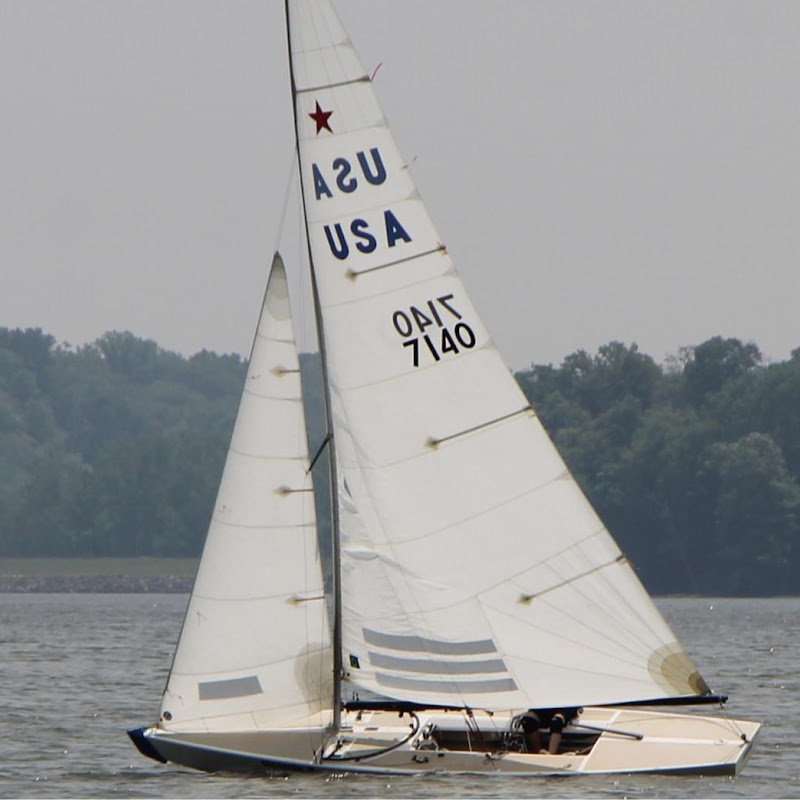
DIY Sailing Racing Computer for under $150 - Part One A. This short video gives you more of an idea of what this project is all about. The schedule for this depends on how much free time I away from my day job LOL. Please drop me a comment and share your thoughts and I'll get back to you as soon as possible.
0
0
0
120