close

Welcome aboard to the our video site for sailors. We are being constantly blasted by scammers and pirates, so registration is  invite only


contact@sailorsahoy.com with "Invite". No spam, no newsletters. Just a free account

短裤 创造

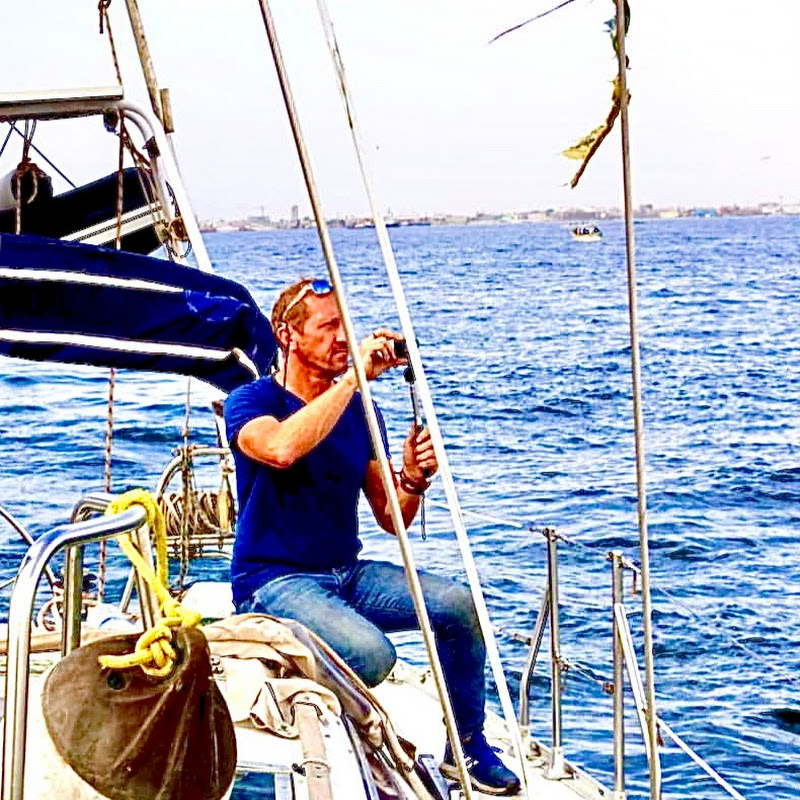
au levée du soleil entrée dans la baie des levriers en Mauritanie, une aventure à suivre sur notre chaine #shortsvideo #shorts
sailing-imagine

0

0

514

0

teammalizia

0

0

7,229

Mantas, dolphins, and sharks, Oh My! Join me from April 26 - May 4, 2025 to explore Mexico’s enchanting Revillagigedo Archipelago, also known as the Socorro Islands. This island chain is called the “Little Galapagos” because it’s a haven for large pelagic wildlife, from manta rays and 10+ species of sharks to dolphins and humpback whales. We’ll spend 8 amazing nights aboard the #SolmarV with 6 days of diving PLUS a special opportunity to help conduct important shark research with scientists from @finsattached and @pelagioskakunja, two dedicated wildlife nonprofits. Spots fill up fast, so check out trip details on my website and book your spot today: https://azulunlimited.com/socorro-dive-expedition-2025/

azulunlimited

0

0

230

UK Sailmakers uses very powerful 3-D CAD/CAM software for sail design, which create virtual 3-D molds that can be digitally sliced into two-dimensional panels that when joined back together re-create a full-size version of the designed mold. Thanks to powerful 3-D graphic renderings, designers can see how sail fit around the spreaders and shrouds as well as make sure the clew height and sheeting angles are right. They can also analyze how a main and genoa work together to make sure the boat stays balanced. What we are looking for is a sailplan and sail shapes that put the maximum driving force in precisely the right place to produce a perfectly balanced boat – and with the least amount of drag. Pat Considine, UK Sailmakers’ chief designer, goes a step further and uses Fluid Structural Interaction software, called FSI for short, as a virtual wind tunnel for refining sail designs and sail construction. FSI calculations are used to test proposed designs and cloth choices to make sure they are not built too strong (too heavy) or too weak (too light) for their expected loads. The FSI calculations will predict whether a design and construction will keep its shape properly as the rig bends, halyards are tightened and sheets are trimmed. Shown rotating in this video are two renderings of a Tripp 47 mainsail design. The side-by-side comparison shows the sail with no backstay tension and with max backstay trim. The FSI software allows Pat to rotate the two designs together to study their shape from any angle. In this case, Pat needed to be sure the draft would not move too far aft as the sail was flattened; likewise, he had to make sure the draft was not too far forward when the backstay was eased completely. The FSI program has made extremely accurate predictions of how specific sail designs will perform once made and trimmed in a variety of wind speeds. These tests ensure sails will meet the performance needs right out of the bag.

uk-sailmakers-international

0

0

1,051

How does sailing in complete darkness at night looks like. #sailing #sail #boatlife #boating #howtosail

sailingbik

0

0

473

Arrival at Perfect Day at CoCo Cay on Adventure of the Seas in June 2021

allthethingsadventures

0

0

1,530