Welcome aboard to the our video site for sailors. We are being constantly blasted by scammers and pirates, so registration is invite only
contact@sailorsahoy.com with "Invite". No spam, no newsletters. Just a free account
Kurze Hose Erstellen

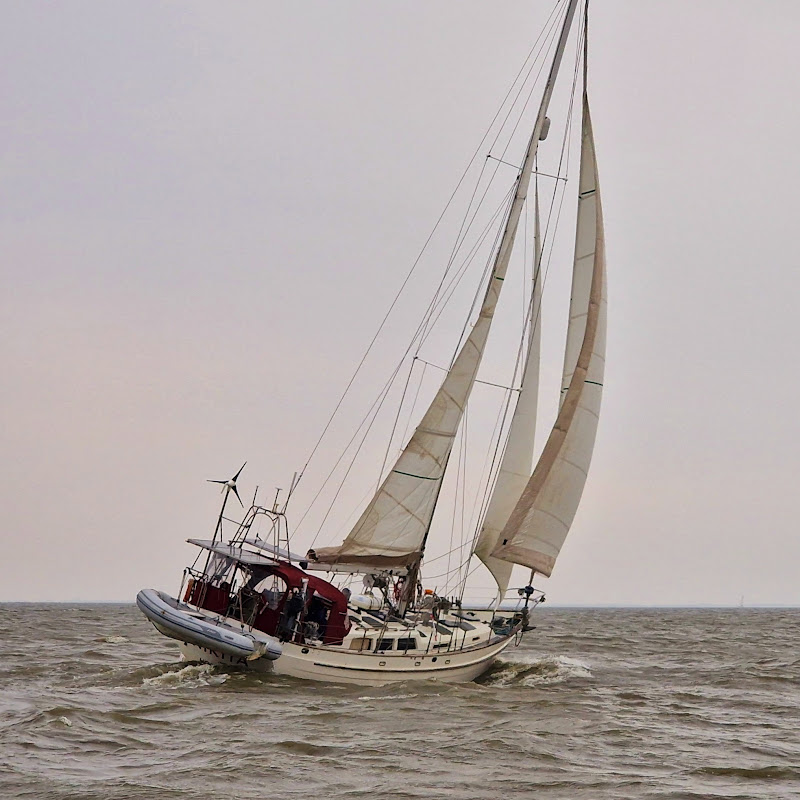
Eerste rondje Zie voor meer info om mij te volgen op Blogger: https://sailingdutch.blogspot.com/
0
0
0
81

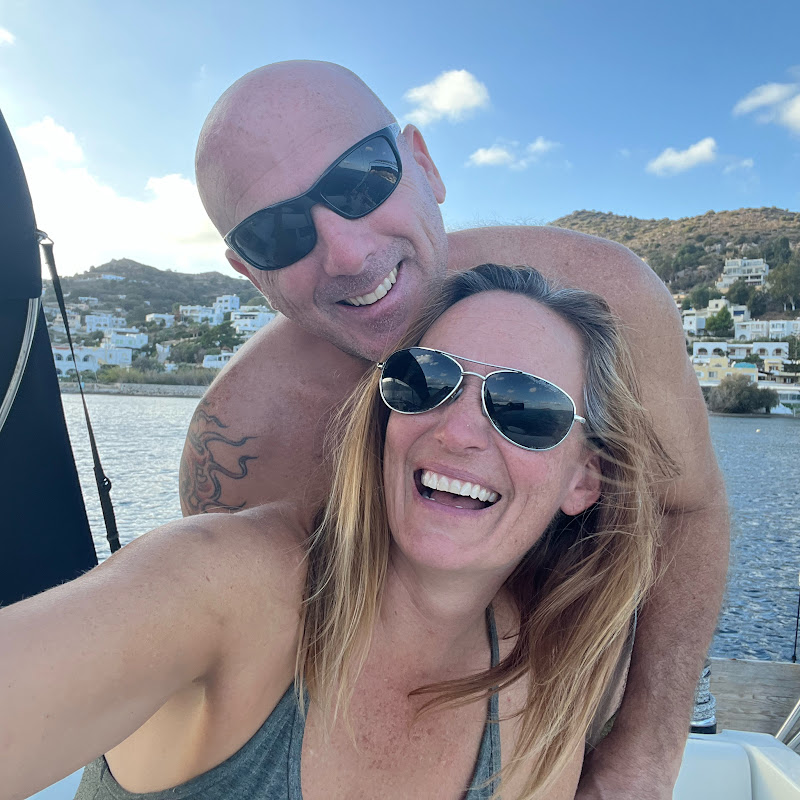
Iceland: where our NOMAD journey began Happy Holidays whatever it is you may be celebrating at this time of year. Peace be with you and yours. 💕 If you’re interested in where we started our journey this is a sneak peak. Once we sold the house and most of our stuff we set upon a journey of a lifetime. Iceland had been on our bucket list for some time and it spiked when the volcano became active. So we flew to Iceland, rented a van and started north on the ring road…the rest is history. A few places we’d highly recommend is The Beer Spa Blue Lagoon As many waterfalls as you can smash in your trip Glacier Lake Any active volcano if possible Try the ice cream, it’s amazing!!! Also try Skyr (Icelandic yogurt) We rented the van for 3 weeks staying in campgrounds as we could find them. We tried to schedule out our adventure a few days in advance to make sure and maximize our time. We hiked several volcanoes, stopped at beautiful beaches , experienced some of the clearest water for snorkeling and also the coldest water we’ve been in. Had a romantic beer bath at The Beer Spa and followed it up with an amazing dinner! The entire coastline changes as you move around the island. Each providing a slightly different feel and epic original and grand beauty. Iceland feels as close to magic as we can fathom. It captured our hearts and we will go back. The pictures in the video do not do it justice and are only a snippet of everything we captured. Simply amazing, rugged and raw landscapes while also being lush and green and full of life. We hope you enjoy as much as we did. Please make sure to follow along on our journey as we adventure across the earth and post more on Instagram and Facebook Sailing Eriskay. #sailingeriskay #traveldestinations #travelblogger #sail #sailinglife #mountains #iceland #vanlife #nomadlife #icelandringroad
0
0
0
221

Some images of the boat, accommodation, relaxing areas etc…..

0
0
0
321

0

0
0
0
67
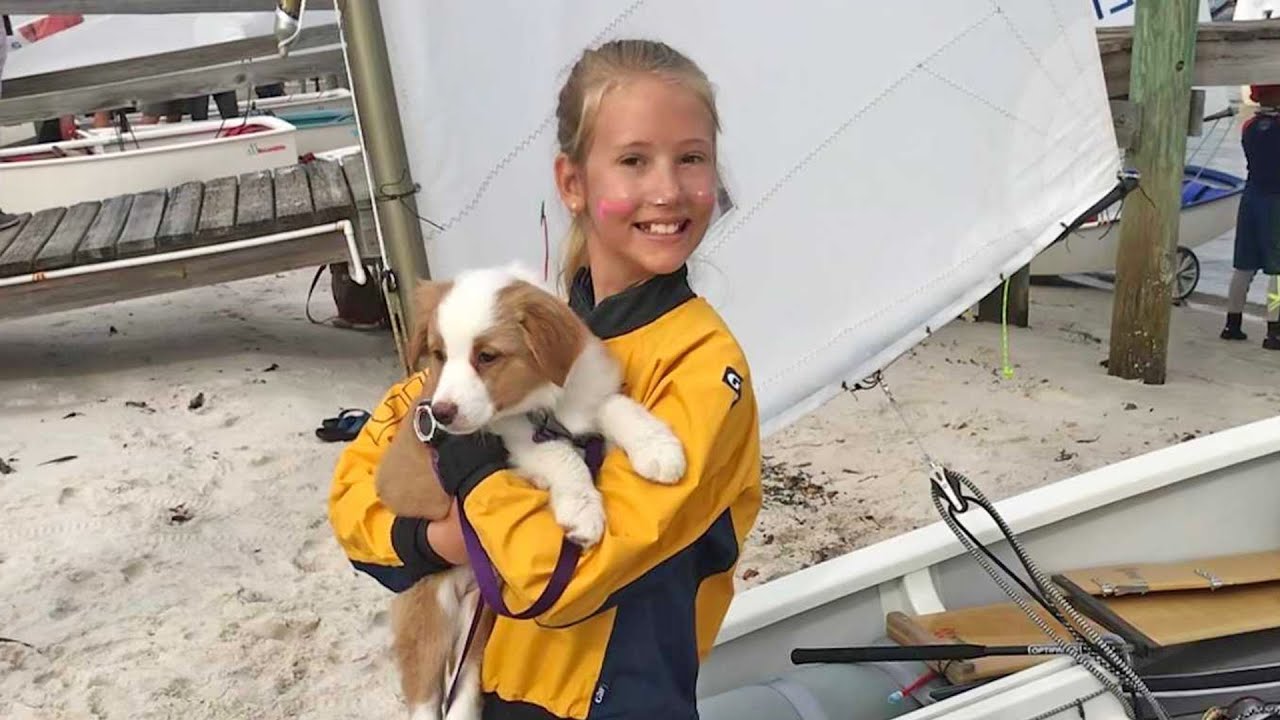
Meet Harken. She's a dog. Harken knows what to do when she hits the mark. Watch her do a penalty turn. Her guardian, Graceanna Dixon from Lauderdale Yacht Club, has taught Harken some pretty cool tricks. What other sailing tactics should Harken should learn? ‣‣‣ ABOUT HARKEN BLOCKHEADS What exactly is a Blockhead? If you are totally obsessed with how to rig and sail your boat, you might already be one! The Harken Blockheads website is filled with hundreds of tips and videos to help you sail better. The club is free and you get free stuff right away -- Join Blockheads at https://harkenblockheads.com/join.php

0
0
0
421

0

0
0
0
68