Welcome aboard to the our video site for sailors. We are being constantly blasted by scammers and pirates, so registration is invite only
contact@sailorsahoy.com with "Invite". No spam, no newsletters. Just a free account
Calção Crio

#sailing #yachting #ssanz #livesaildie
0
0
0
552

tramite YouTube Capture

0
0
0
420

Kad ce jugo

0
0
0
98
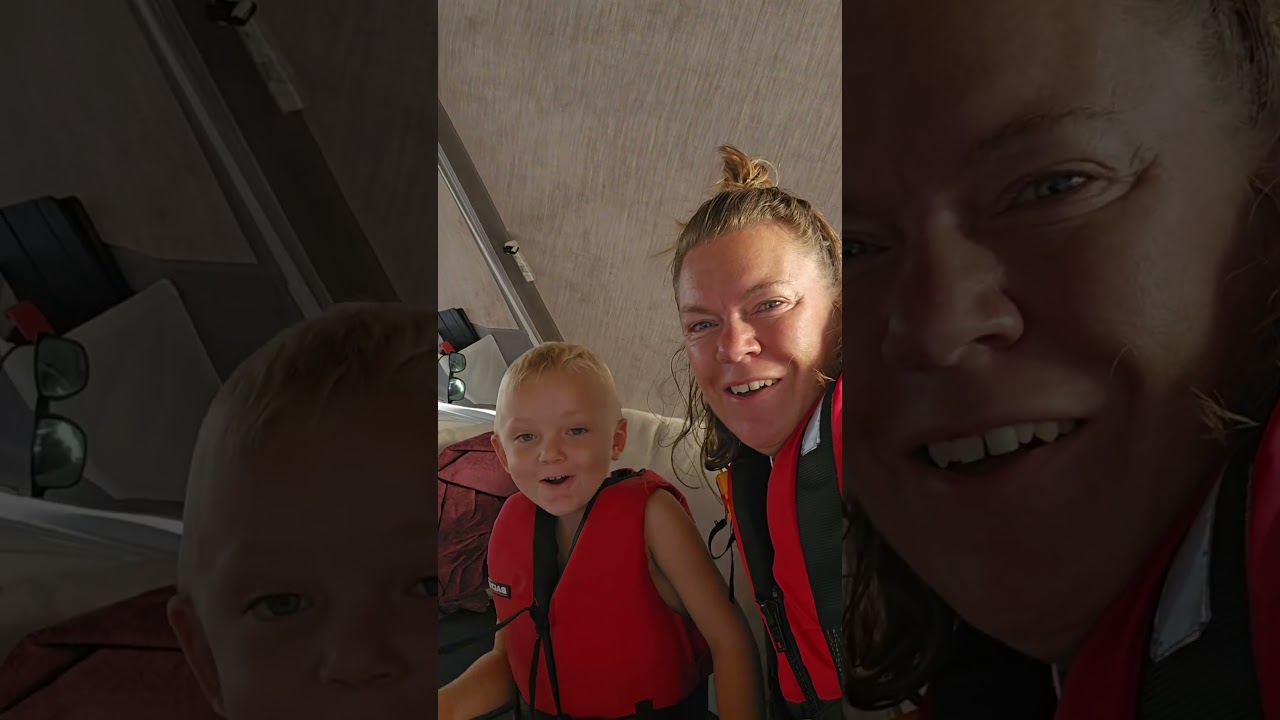
Inne i accelerationszonen med 11-12m/s och rätt stökig sjö. Det blev inte många timmars sömn inatt, det rullade och knarrade mest så hade svårt stt slappna av och sova. Men det är väl en omställning till detta nya väder nu som vi nog får ha i några dygn. Utanför Colombias kust, där vi befinner oss nu, är det allmänt känt att det ofta blåser mycket och med stökig sjö. Men det går iallafall fort, nu har vi 450 sjömil kvar och i denna fart räknar vi med att avverka 150sjömil per dygn så runt 4 dygn kvar nu. Kommentera gärna med 💦⛵️ om du gillar dessa uppdateringar från havet, så kommer jag med en ny imorgon! Kram från oss!
0
0
0
511

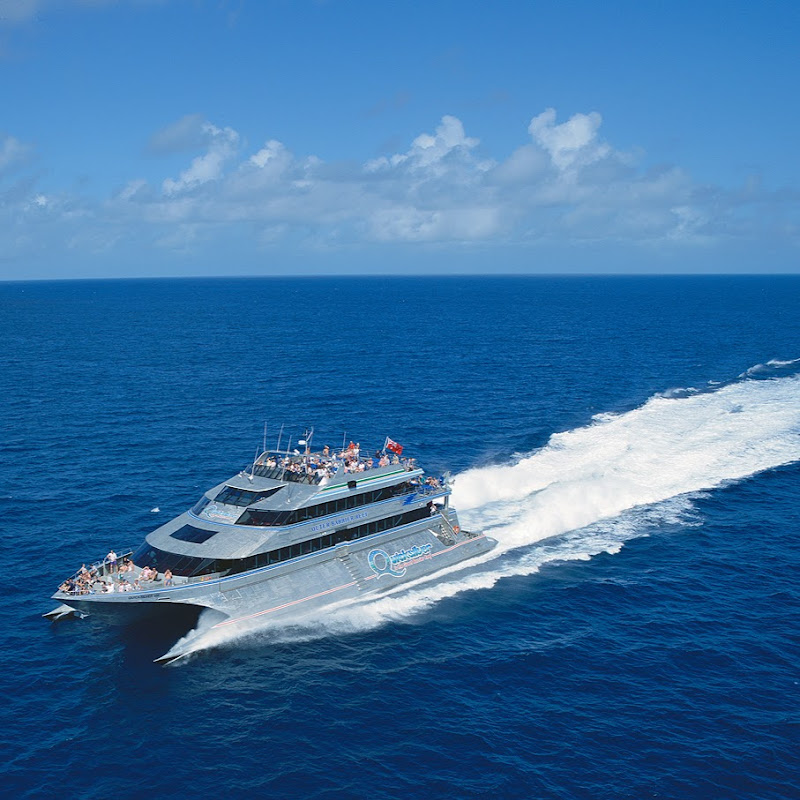
Silversonic passengers and crew recently enjoyed an amazing experience, when an Ornate Eagle Ray (Aetomylaeus vespertilio) was spotted swimming around "Barracuda Bommie", one of Quicksilver's remote dive sites on the Agincourt reefs. This gentle giant (one of the few species of eagle ray without a stinging barb) measured nearly 2.5m across the wings, and total length over 5m. The Ornate Eagle Ray is well named, as the patterns across the dorsal surface are exquisite, consisting of a mosaic of stripes and spots. Shane Down, Crew of Silversonic said, "The last time we saw an Ornate Eagle Ray was 3 years ago on Silversonic. It was an unbelievable sight and this new encounter may be the first one in Northern Australia that has been captured on video. It is a very rare and unique encounter -- like winning lotto underwater." Doug Baird, Quicksilver Cruises Environment and Compliance Manager said, "The species is not well known, and this is only the second one we have seen at one of our reef sites and there are only a few records from the northern parts of Australia (the last time an ornate eagle ray was spotted was in April 2008). They only produce 4-6 live young, making them highly vulnerable. Eagle rays live in the open ocean rather than at the bottom of the sea. They eat snails, mussels and crustaceans, crushing their shells with their extremely hard teeth. They are excellent swimmers and are able to jump several metres above the surface. They are classified as Endangered".
0
0
0
6,246

In mare, ogni termine ha il suo peso, e “cazzare” è uno di quelli fondamentali per i velisti. Ma cosa significa esattamente? Cazzare, in nautica, è l’azione di tirare una cima, generalmente per tendere o regolare una vela. È un termine che incarna la precisione e la forza, elementi chiave nella navigazione a vela. Cazzare non è solo tirare una corda; è capire il vento e le sue variazioni, per ottenere la massima efficienza della vela. Quando cazziamo, stiamo adattando la nostra barca alle condizioni del mare, cercando quell’equilibrio perfetto tra velocità e direzione. Questa manovra è cruciale per la navigazione. Che si tratti di regolare il fiocco o la randa, cazzare ci permette di sfruttare al meglio le condizioni meteorologiche. È una sfida continua, che richiede conoscenza, esperienza e una grande sensibilità. Cazzare è anche sinonimo di lavoro di squadra. In una regata o durante una navigazione di piacere, tutti gli equipaggi membri devono essere coordinati. Ogni movimento deve essere eseguito in armonia, per ottenere il massimo dalla nostra barca. In conclusione, cazzare è molto più di un semplice gesto: è una parte essenziale della magia della vela, un’azione che ci connette intimamente con il mare e il vento. #Cazzare #Vela #Nautica #Navigazione #Velismo #Mare #VitaInBarca #PassioneVela #Regata #SportAcquatici #ironia #ironiaportamivia #sailinglife #navigation
0
0
0
6,202