Welcome aboard to the our video site for sailors. We are being constantly blasted by scammers and pirates, so registration is invite only
contact@sailorsahoy.com with "Invite". No spam, no newsletters. Just a free account
Шорты создать
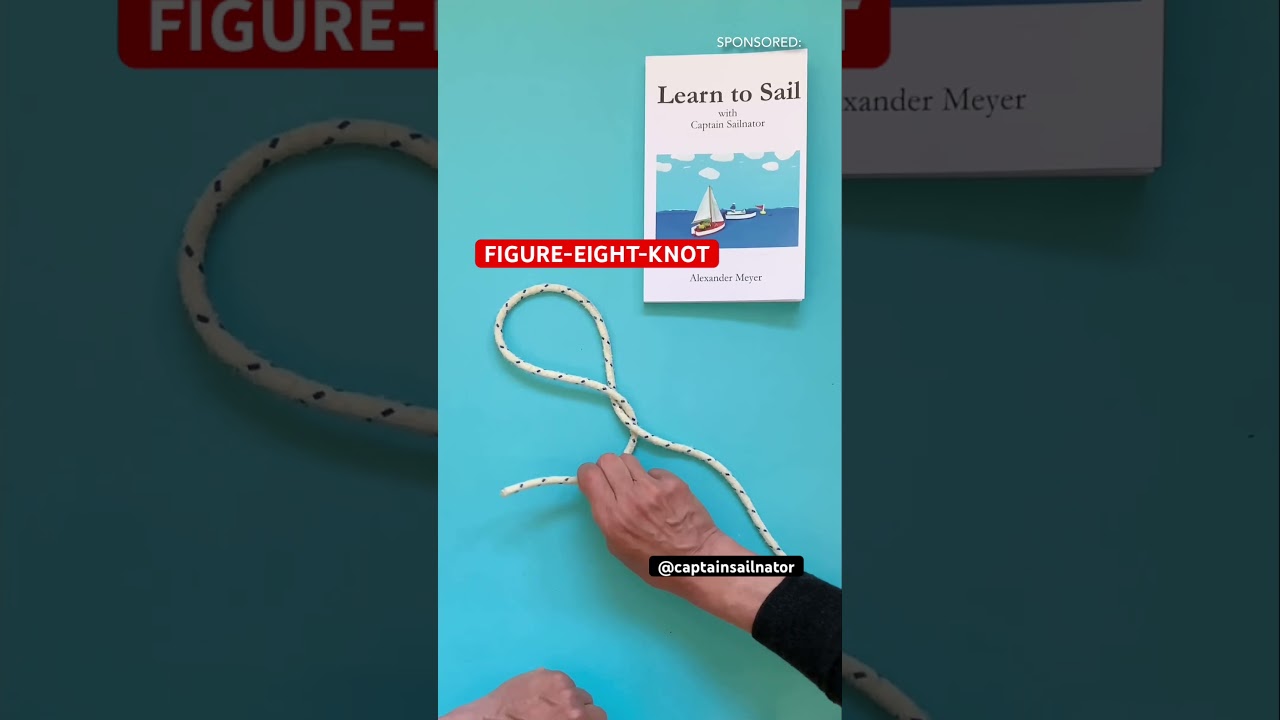
In this video I show how to tie the figure eight knot. We use this knot to secure the end of a rope. Ad | Buy my Book now: http://sailnator.com/book/ Book Review: https://youtu.be/0nCIUzcjp0M Long Format Video: https://youtu.be/EBlHvvK9OCY Step by step instructions on my blog: http://sailnator.com/figure-eight-knot/

0
0
0
690

Check our trips calendar here: elmarsailing.com

0
0
0
0


0
0
0
19,196

0
0
0
136

Fazer o que amamos não tem preço! Aproveite cada momento da sua vida ! Faça algo que te motive !! Sempre que puder ! Seja ler , velejar, surfar , jogar xadrez ,enfim seja o que for nunca deixe de fazer algo que vc ama . Passeio de Veleiro ⛵ na região de Ubatuba. Modelo Ranger de 37 Pés. Diária R$ 1.600,00 para até 6 pessoas. 9h30min às 17h 30 min. Incluso: 1 saco de gelo 🧊 Geladeira à disposição Infraestrutura para você preparar seu alimento: cozinha equipada com utensílios básicos, carvão, temperos etc. Prancha de stand up Combustível bote e muita diversão! Para ver mais dicas do Litoral Norte-SP. ➡️SEGUE, COMPARTILHA, SALVA E MARCA UM AMIGO 📲NÃO esqueça de nos marcar @VelanaVeia ✅PASSE PROTETOR SOLAR 🧴 ✅PRESERVE OS RIOS, MARES E A NATUREZA! ✅ NÃO ESQUEÇA DE RECOLHER TODO O SEU LIXO 🔃♻️ #velanaveia #Ubatuba #amigos #velajar #ubatubabrasil #Ubatuba #ubatubadivulga

0
0
0
2,600

Утро началось в 7-30. У меня сегодня урок английского в 8 утра. Для учебы это самое подходящее время, все еще спят и никто не будет отвлекать. Это первое занятие после небольшого перерыва. Мы будем читать книгу про Гарри Поттера. Для начала немного ознакомились с биографией Джоан Роулинг. Это удивительно сильная и талантливая личность. На YouTube можно посмотреть интервью с ней. Потом надо проготовить завтрак для всех. Решила приготовить рисово-пшеничную кашу. Наши запасы круп подходят к концу. Как же мне не хватает разнообразия круп. После завтрака мальчишки идут купаться, у них в распоряжении всего минут 40. А в 11 у них урок английского. В это время я решила сплавать на доске в соседнюю бухту Port de Sant Muqiel, разведать там обстановку. В нашу бухту Cala Benirras начинает заходить свэл. Ветер прямо в бухту. Ближайшие лодки к нам подняли якорь. Как оказалось они ушли в соседнюю бухту, мест там заначительно больше чем вчера. Продолжение в телеграм https://t.me/sailingOlle Подпишись на канал. https://www.youtube.com/c/sailingOlle?sub_confirmation=1 1. Первый сезон подготовка яхта к сезону. Ремонты и исследование Майорки. https://youtube.com/playlist?list=PLnZ1uq4fVVLqh1AZmxdknXORtnJ-qUMyI 2. Второй сезон путешествие по Балеарским островами на яхте с детьми. https://youtube.com/playlist?list=PLnZ1uq4fVVLqUWhdpogGqsxDosO4T-Yuc 3. Зимовка в Альмиремаре короткие видео. https://youtube.com/playlist?list=PLnZ1uq4fVVLojT0rgNG1iKE3DdQkupUhh 4. Идем на Балеарские острова снова. Короткие видео. https://youtube.com/playlist?list=PLnZ1uq4fVVLrMgSKTczMX8Eadh9XT06UH В режиме реального времени за нами можно следить в инстаграм https://www.instagram.com/turbo.nata/ https://t.me/sailingOlle У нас для вас подарок календарь на 2022 год. Можете распечатать на принтере или в типографии. Сможете отмечать в календаре свое расписание и важные дела. https://drive.google.com/file/d/1tqRkacpfGrWvHBZgfN1CSngS-6ploSZr/view?usp=sharing Журнал путешествия с детьми. Скачать бесплатно. https://drive.google.com/file/d/13ZYZZXBieNSe7D_FcUdwD_C3C9rwtsaI/view?usp=sharing

0
0
0
340