Shorts

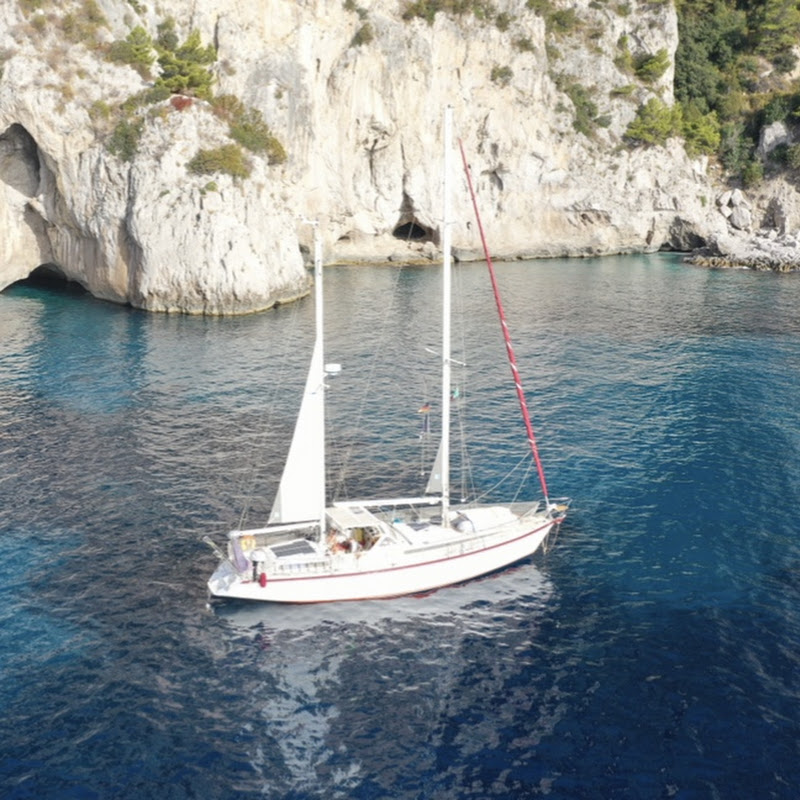
Gross Tonnage: 55,877 GT (this is the "volume weight" of the ship).Deadweight: 7,637 tonnes (the actual carrying capacity for fuel, water, cargo, and passengers).Length: 219 meters (719 feet) long.Width (Beam): 31 meters wide.Draft: 7.8 meters deep under the water line.Decks: 9 passenger decks.Cruising Speed: 15 to 17 knots (with a maximum speed of up to 22 knots).👥 Capacity and Onboard LifePassenger Capacity: Up to 1,000 guests in 639 cabins.Crew Members: Around 550 crew members, which creates an excellent 2:1 guest-to-crew ratio for premium service.Size Advantage: Because it is considered a "medium-to-small" modern cruise ship, it can navigate small ports and rivers that massive megaships cannot reach.📜 Fun & Historical FactsThe Name: It is named after the famous Portuguese explorer Vasco da Gama, who discovered the direct sea route from Europe to India in 1497.A True Shape-Shifter: The ship has changed its name and owners multiple times since it was built in 1993:

White reindeers owe their bright color to a natural genetic mutation that affects fur color inheritance. Globally, only about 3 percent of all reindeers are white. While they were historically rare in large wild herds, human breeding now helps sustain their population. Selective Breeding: Herders often keep white reindeers intentionally because they are highly popular and a major photo attraction. Not Albinism: Most white reindeers are not albinos; they usually have dark eyes and normal pigmentation on their muzzle.
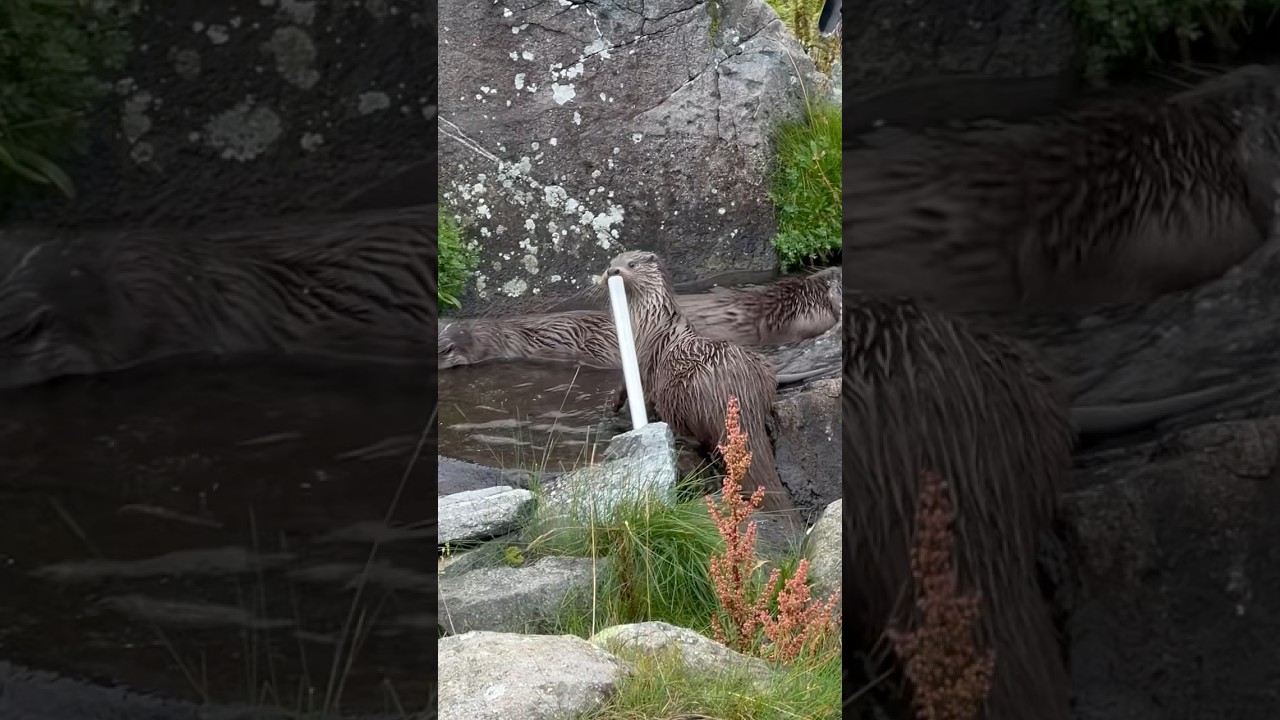
European otters (Lutra lutra), or oter in Norwegian, are highly energetic and playful, featuring in the Oterøya (Otter Island) enclosure at Atlanterhavsparken in Ålesund. These animals, which possess up to 50,000 hairs per square centimeter for warmth in cold waters, are known for their fast swimming and playful behavior on artificial rocks. You can read more about the exhibit at Atlanterhavsparken.
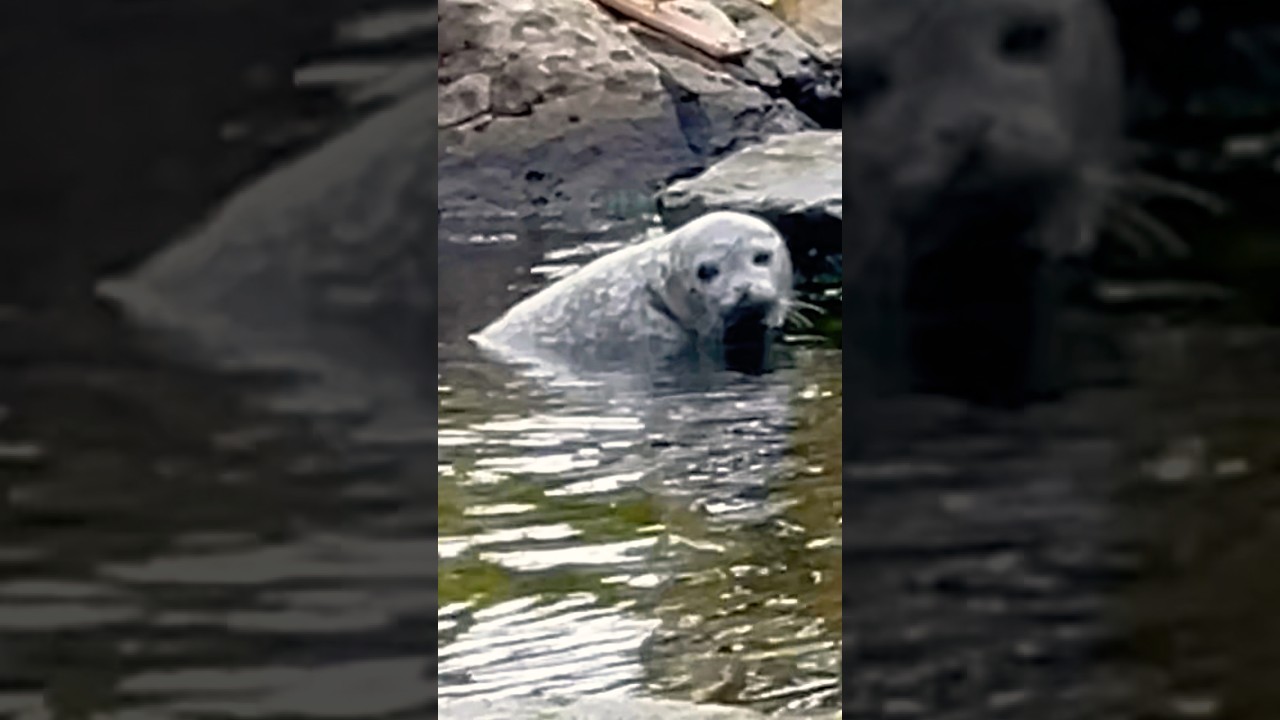
The Møre og Romsdal region, where Ålesund is located, is even home to one of the largest harbor seal populations in the country. Grey seal (Halichoerus grypus): It is significantly larger than the harbor seal – adult males can weigh up to 300 kg and reach lengths of 2.5 meters. They are distinguished by their characteristic, cone-shaped, and elongated snout. Grey seals mostly prefer the outer islands and reefs facing the open Atlantic

Humboldt-Pinguine Heimat: Chile und Peru am Pazifischen Ozean. Gefährdung: Sie gehören zu den bedrohten Pinguinarten und stehen unter Schutz.

It is part of Norway’s National Tourist Routes and is often called one of the most beautiful road trips in the world The Atlantic Road in Norway has been used as a filming location for several famous productions, especially No Time to Die (James Bond). The road is also mentioned as a location for Mission: Impossible – Fallout, Black Widow, The Gorge, and the series Succession The Grand Tour: Norway special “A Scandi Flick. „James Bond Theme“Copyright by John Barry

The waterfall is Tvinnefossen, near Nordfjordeid in western Norway Nordfjordeid as being about 30 nautical miles from the coast, Nordfjordeid is a small but historically and culturally important fjord town in western Norway, known for its scenery,
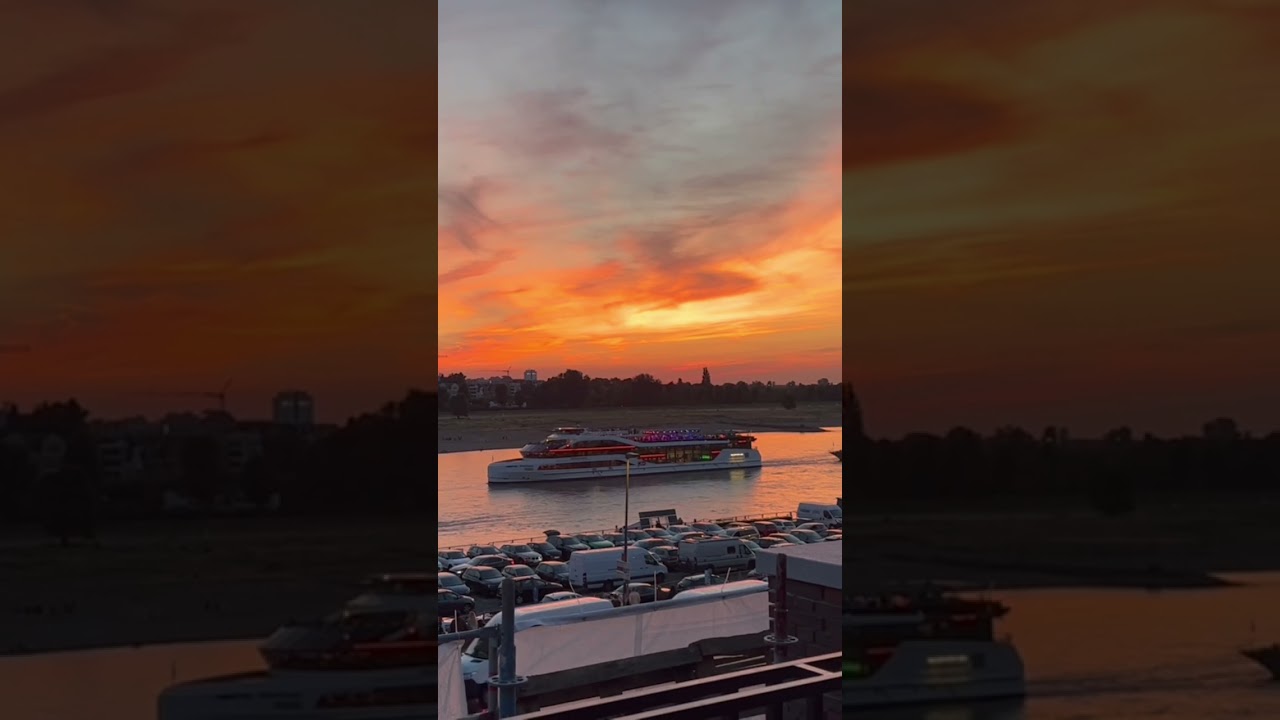

It is a famous "scramble" intersection where all vehicle traffic stops, allowing thousands of pedestrians to cross simultaneously from all directions.

After cremation, families perform kotsuage (bone-picking): relatives use large chopsticks in pairs to transfer large bone fragments (feet to head) into urns— the only time sharing chopsticks is allowed. 🌫 1. Yūrei (Japanese Ghosts) Traditional Japanese ghosts: • Wear white burial clothes • Have long black hair • Often appear at night • May not have visible feet People often visit graves during: • Obon (August) – a festival honoring ancestors’ spirits • Higan (spring and autumn equinox) – a time for remembrance During these times, graveyards are full of families bringing flowers and incense. They often feel more like calm gardens than dark or scary places.

The 1914 Renaissance-style building boasted Japan’s first escalators, elevators, central heating, and a roof garden; lion statues at the entrance have greeted shoppers since. Nihombashi Mitsukoshi Main Store in Tokyo, founded as Echigoya in 1673, pioneered Japan’s retail revolution by selling kimono at fixed prices in a storefront instead of door-to-door. It became Japan’s first department store in 1904, introducing price tags, window displays, sales events, and a food hall—ideas borrowed from the West. The 1914 Renaissance-style building boasted Japan’s first escalators, elevators, central heating, and a roof garden; lion statues at the entrance have greeted shoppers since.
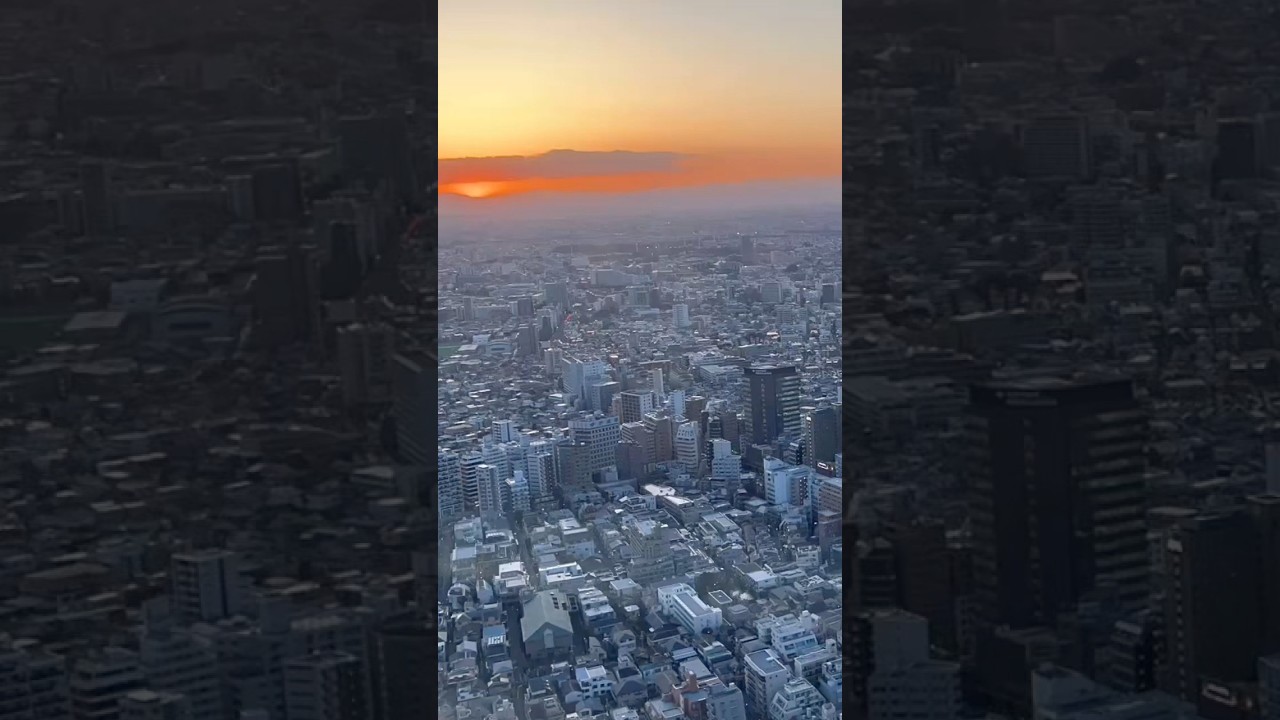
Tokyo at sunset feels like a city between worlds – the day slowly fades over endless rooftops while neon lights wake up below. From high above the streets you can see trains, tiny cars and millions of windows, all glowing in different colors. It’s chaotic and peaceful at the same time, a place where ancient temples and futuristic towers share the same sky. For a few golden minutes, Tokyo slows down just enough to let you breathe it all in.”

Mount Fuji (日本, Fujisan), Japan's highest peak at 3,776 meters (12,389 ft), is a dormant stratovolcano (last erupted in 1707) and a designated UNESCO World Cultural Heritage site. It is considered a sacred site for Shintoists, who believe the peak is sacred to the goddess Sengen-Sama The Name "Fuji" * Fujisan (富士山): While often called "Fujiyama" in the West, the Japanese refer to it as "Fujisan". Both "san" and "yama" mean mountain. * Obscure Origins: The exact origin of the name "Fuji" is unclear, but many theories exist, including "immortal" (fushi) or "not two" (peerless/fuji). * Kanji Meaning: The current characters for Fuji (富士) can be interpreted to mean "wealth" (富) and "man of status" (士). * Historic Names: In The Tale of the Bamboo Cutter (9th-10th century), an elixir of life is burned at the peak, leading it to be called fushi(immortal). 2. Curiosities and Unique Facts * Three Volcanoes in One: Mt. Fuji is actually three separate volcanoes stacked on top of each other: Komitake at the base, Kofuji in the middle, and Fuji at the top. * Privately Owned: The land from the 8th station (roughly 3,360 meters) to the summit is private property belonging to the Fujisan Hongū Sengen Taisha shrine. * Forbidden for Women: For centuries until the Meiji Restoration in 1868, women were forbidden from climbing the mountain. * "Fuji's Peak" (Hairline): A widow's peak hairline (a point in the middle of the forehead) is referred to as "Fuji's peak" in Japanese and is considered a marker of beauty. * Active Volcano: Despite being dormant for over 300 years, geologists still classify it as an active volcano. * 10 Stages (Gome): The trail to the top is divided into 10 "stations" or gome, with the fifth station being the highest point accessible by vehicle.
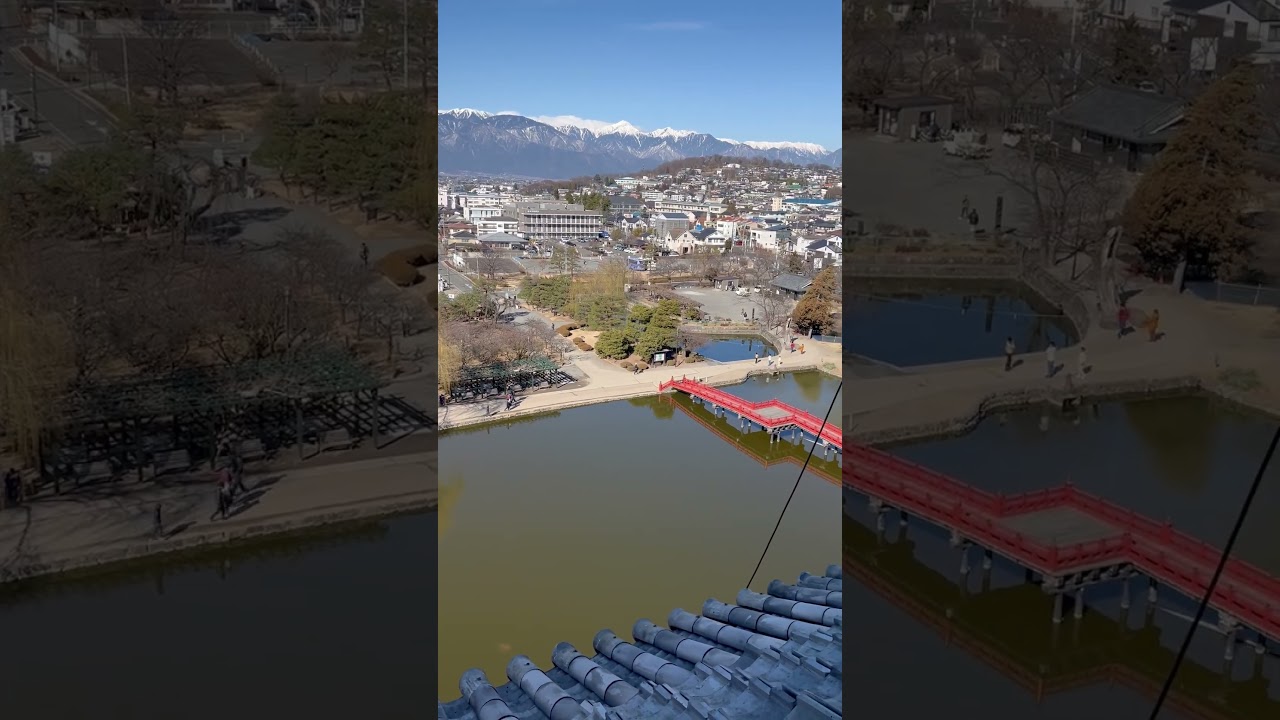
Matsumoto City, in the Nagano Prefecture of Japan. It is a renowned National Treasure and one of Japan’s premier historic, original black-lacquer castles, often referred to as the "Crow Castle"
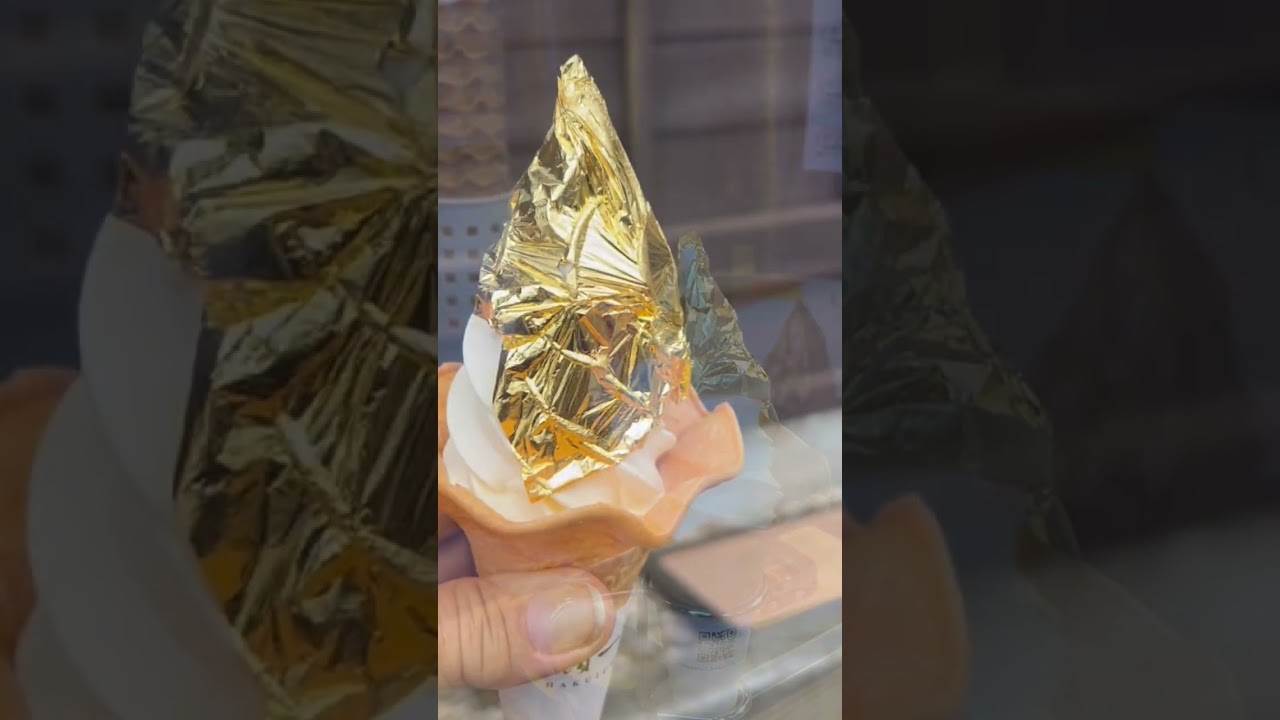
Kanazawa gold leaf ice cream is a famous, Instagram-worthy treat featuring a full sheet of edible gold foil placed on creamy vanilla soft serve. Popularized by Hakuichi in the Higashi Chaya District, this luxurious, mild-flavored souvenir costs around 891–900+ yen and symbolizes the city's 99% share of Japan's gold leaf production


Bis 1889 das höchste Gebäude der Welt (157 m), bis der Eiffelturm es überholte

0

0